THE ADVENTURE COLLECTIVE® · Independent discovery and booking for outdoor travel

Explore Cappadocia’s fairy chimneys, try a pottery demonstration in Avanos, and tour the frescoed cave churches of Göreme Open-Air Museum on a private, guided 6–7 hour trip with hotel pickup and lunch included.
Explore Cappadocia’s fairy chimneys, try a pottery demonstration in Avanos, and tour the frescoed cave churches of Göreme Open-Air Museum on a private, guided 6–7 hour trip with hotel pickup and lunch included.
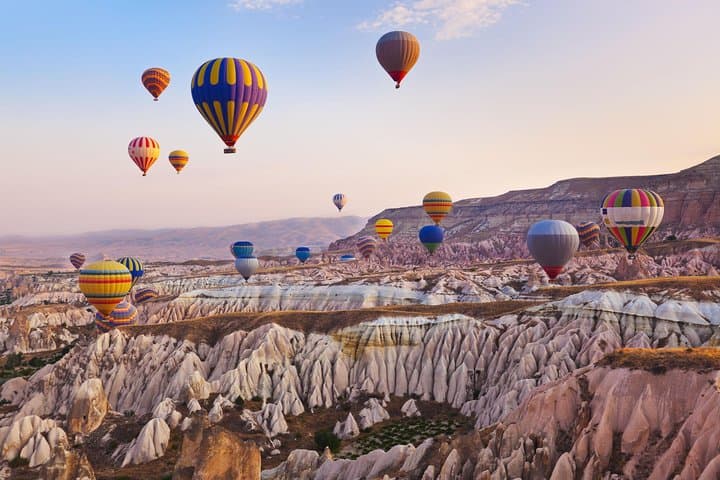
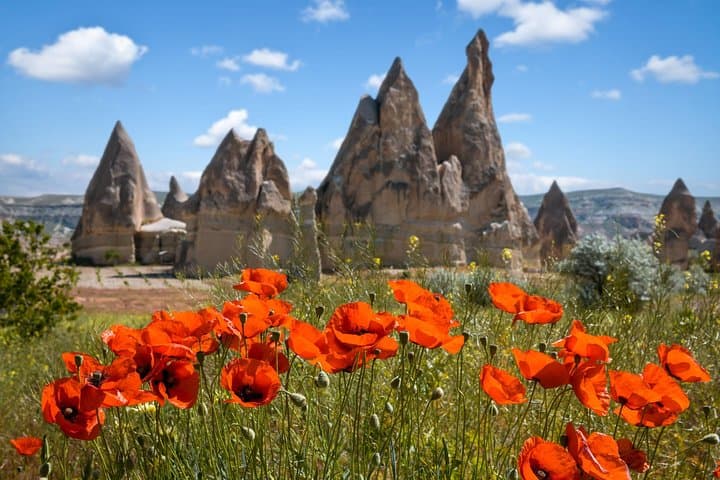
You step into the van before sunrise and the valley is already at work — columns of hot-air balloons puncture the pale sky while the land below rearranges itself into chimneys and cones. A private guide slides open a map and, in a voice that balances factual detail with local stories, points out the day’s route: Devrent’s animal-shaped rocks, the multi-stemmed fairy chimneys at Paşabağı, lunch and pottery in Avanos, and the cave churches of Göreme Open-Air Museum.
Verified experiences and guided adventures in the surrounding area.
Operated by Popular Travel · Göreme, Nevşehir Province
You step into the van before sunrise and the valley is already at work — columns of hot-air balloons puncture the pale sky while the land below rearranges itself into chimneys and cones. A private guide slides open a map and, in a voice that balances factual detail with local stories, points out the day’s route: Devrent’s animal-shaped rocks, the multi-stemmed fairy chimneys at Paşabağı, lunch and pottery in Avanos, and the cave churches of Göreme Open-Air Museum.
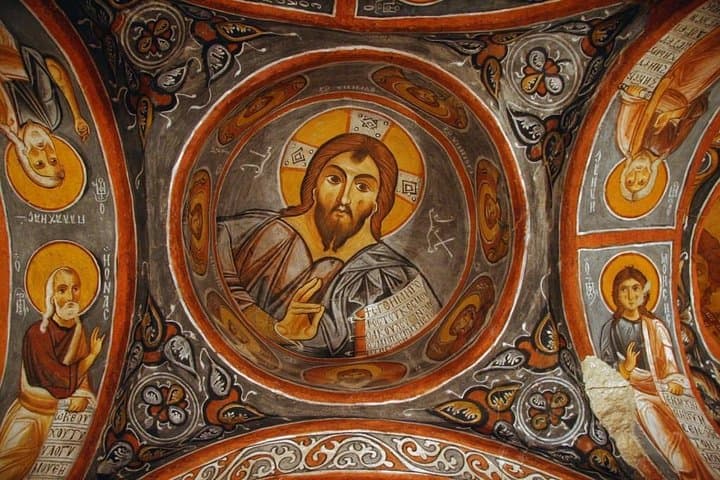
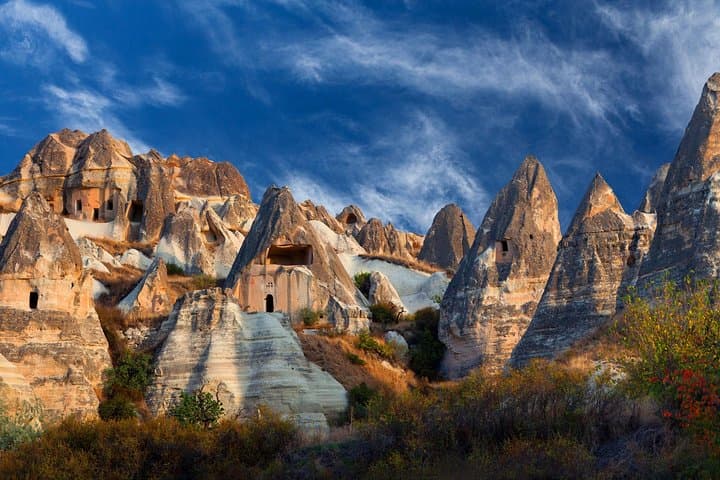
Cappadocia’s landscape is a geological shorthand for time. Layers of volcanic tuff deposited millions of years ago were eroded by wind and rain into pinnacles and plates; human hands followed, carving shelters and sanctuaries into the soft stone. The region became a refuge for Byzantine monks between the 10th and 13th centuries, whose frescoed churches—especially those in the Dark Church—preserve an iconographic record of medieval Anatolia.
Culture here is tactile. In Avanos you’ll cross the Kızılırmak, Turkey’s longest river, to watch potters spin red clay into jugs exactly where communities have worked it for generations. Guides typically offer a short pottery demonstration and time to try the wheel yourself. At Paşabağı, the earth seems to have organized its own columns into shapes that invited myth: monks once lived in the caps of those pillars; now they guard the wind.
Expect roughly 6–7 hours of touring with private transport and hotel pickup included. Walking is light to moderate—2–4 kilometers on uneven ground with short stair sections at the museum. The Dark Church restricts flash photography to protect frescoes; guides will point out the best-preserved panels and explain the iconography. Lunch in Avanos is usually local fare—hearty soups, gözleme, and kebabs—providing a practical pause to refuel.
Practical tips: mornings are best for light and crowds—if you want the balloon-dotted horizon, arrange an early start. Wear grippy shoes for short climbs and loose layers for temperature swings between shaded caves and exposed viewpoints. Bring a refillable water bottle; though refreshments are available in towns, water on the trails can be limited. If you travel in summer, plan sunscreen and a hat; in winter, expect icy spots in shaded gullies.
This private itinerary balances geology, history, and hands-on culture, making it suitable for travelers who want context as much as photo ops. The guide’s commentary turns the landscape from a backdrop into a story: rock that weathered into form, people who carved faith into stone, and communities that still shape clay by the river’s bend. For a half-day that feels complete and unrushed, it’s a practical way to see Cappadocia’s most iconic chapters.
easy.
6–7 hours.
Light to moderate fitness: able to walk 2–4 km over uneven ground and climb short stair sections.
Yes—private pickup and drop-off from Cappadocia hotels is included; provide your hotel details when booking.
Yes—the tour includes admission to Göreme Open-Air Museum and the Dark Church as noted in the tour inclusions.
You should expect 2–4 km of walking across valleys and museum grounds with some stairs and uneven surfaces.
The tour is stroller-accessible for short transfers, but the walking portions may be challenging; infants are required to sit on laps.
Yes—lunch in Avanos is included and typically features local Turkish dishes; notify the guide of dietary restrictions ahead of time.
No—balloon flights are a separate activity not included in this private tour, though the itinerary offers viewpoints where balloons can be seen.
Monastic communities carved churches into Cappadocia’s tuff from the 10th to 13th centuries; many frescoes at Göreme preserve Byzantine-era iconography.
Visits concentrate foot traffic on established paths to protect fragile tuff formations and frescoes; avoid climbing on chimneys and follow guide instructions to limit erosion.
Popular Travel operates guided outdoor trips and adventures with an emphasis on safety, stewardship, and memorable experiences.
You step into the van before sunrise and the valley is already at work — columns of hot-air balloons puncture the pale sky while the land below rearranges itself into chimneys and cones. A private guide slides open a map and, in a voice that balances factual detail with local stories, points out the day’s route: Devrent’s animal-shaped rocks, the multi-stemmed fairy chimneys at Paşabağı, lunch and pottery in Avanos, and the cave churches of Göreme Open-Air Museum.
You step into the van before sunrise and the valley is already at work — columns of hot-air balloons puncture the pale sky while the land below rearranges itself into chimneys and cones. A private guide slides open a map and, in a voice that balances factual detail with local stories, points out the day’s route: Devrent’s animal-shaped rocks, the multi-stemmed fairy chimneys at Paşabağı, lunch and pottery in Avanos, and the cave churches of Göreme Open-Air Museum.
Cappadocia’s landscape is a geological shorthand for time. Layers of volcanic tuff deposited millions of years ago were eroded by wind and rain into pinnacles and plates; human hands followed, carving shelters and sanctuaries into the soft stone. The region became a refuge for Byzantine monks between the 10th and 13th centuries, whose frescoed churches—especially those in the Dark Church—preserve an iconographic record of medieval Anatolia.
Culture here is tactile. In Avanos you’ll cross the Kızılırmak, Turkey’s longest river, to watch potters spin red clay into jugs exactly where communities have worked it for generations. Guides typically offer a short pottery demonstration and time to try the wheel yourself. At Paşabağı, the earth seems to have organized its own columns into shapes that invited myth: monks once lived in the caps of those pillars; now they guard the wind.
Expect roughly 6–7 hours of touring with private transport and hotel pickup included. Walking is light to moderate—2–4 kilometers on uneven ground with short stair sections at the museum. The Dark Church restricts flash photography to protect frescoes; guides will point out the best-preserved panels and explain the iconography. Lunch in Avanos is usually local fare—hearty soups, gözleme, and kebabs—providing a practical pause to refuel.
Practical tips: mornings are best for light and crowds—if you want the balloon-dotted horizon, arrange an early start. Wear grippy shoes for short climbs and loose layers for temperature swings between shaded caves and exposed viewpoints. Bring a refillable water bottle; though refreshments are available in towns, water on the trails can be limited. If you travel in summer, plan sunscreen and a hat; in winter, expect icy spots in shaded gullies.
This private itinerary balances geology, history, and hands-on culture, making it suitable for travelers who want context as much as photo ops. The guide’s commentary turns the landscape from a backdrop into a story: rock that weathered into form, people who carved faith into stone, and communities that still shape clay by the river’s bend. For a half-day that feels complete and unrushed, it’s a practical way to see Cappadocia’s most iconic chapters.