THE ADVENTURE COLLECTIVE® · Independent discovery and booking for outdoor travel

Spend a day among Cappadocia’s sculpted valleys and cave sanctuaries on a private Red Tour. From Devrent’s otherworldly chimneys to the frescoed chapels of Göreme Open Air Museum and the panoramic perch at Uçhisar Castle, this full-day itinerary pairs geology with Byzantine art.
Spend a day among Cappadocia’s sculpted valleys and cave sanctuaries on a private Red Tour. From Devrent’s otherworldly chimneys to the frescoed chapels of Göreme Open Air Museum and the panoramic perch at Uçhisar Castle, this full-day itinerary pairs geology with Byzantine art.
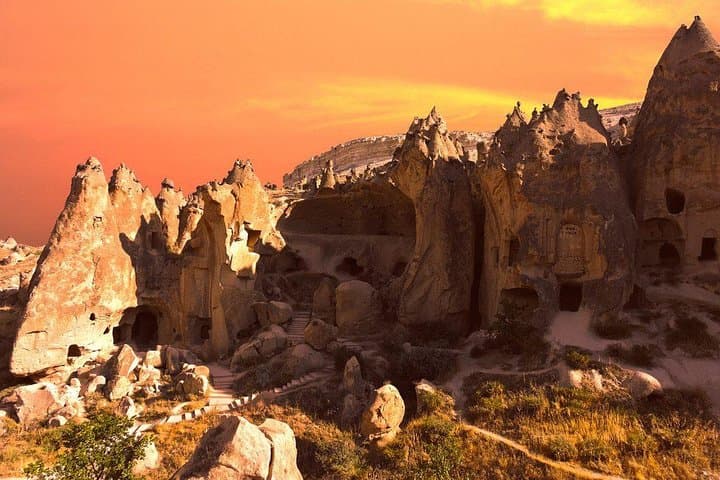
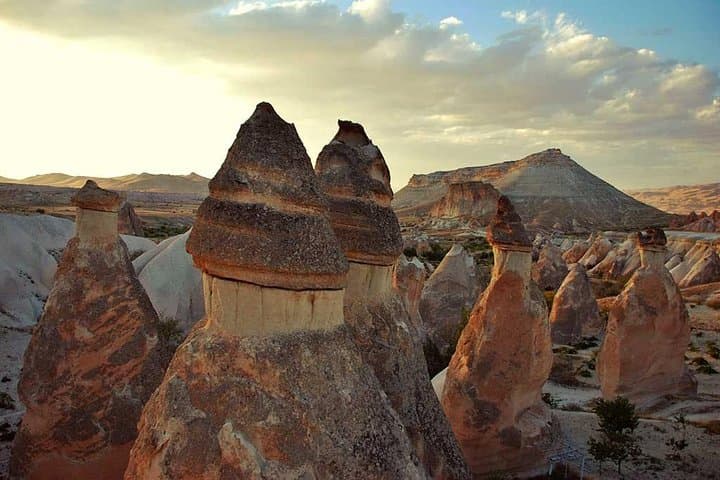
You step out of the van and the land answers in stone: slabs, cones and towers of pale tuff rise like an unfinished city. The morning sun cuts across the fairy chimneys of Cappadocia, casting long, sculpted shadows that make the valleys look like pages in a geological atlas. On this private Red Tour you move through that atlas—Devrent’s quirky silhouettes, the carved sanctuaries at Göreme Open Air Museum, hand-painted Byzantine frescoes in cool cave churches, and the high, wind-scrubbed lookout at Uçhisar Castle where pigeons wheel like punctuation marks.
Verified experiences and guided adventures in the surrounding area.
Operated by Pupa Travel · Göreme, Nevşehir
You step out of the van and the land answers in stone: slabs, cones and towers of pale tuff rise like an unfinished city. The morning sun cuts across the fairy chimneys of Cappadocia, casting long, sculpted shadows that make the valleys look like pages in a geological atlas. On this private Red Tour you move through that atlas—Devrent’s quirky silhouettes, the carved sanctuaries at Göreme Open Air Museum, hand-painted Byzantine frescoes in cool cave churches, and the high, wind-scrubbed lookout at Uçhisar Castle where pigeons wheel like punctuation marks.
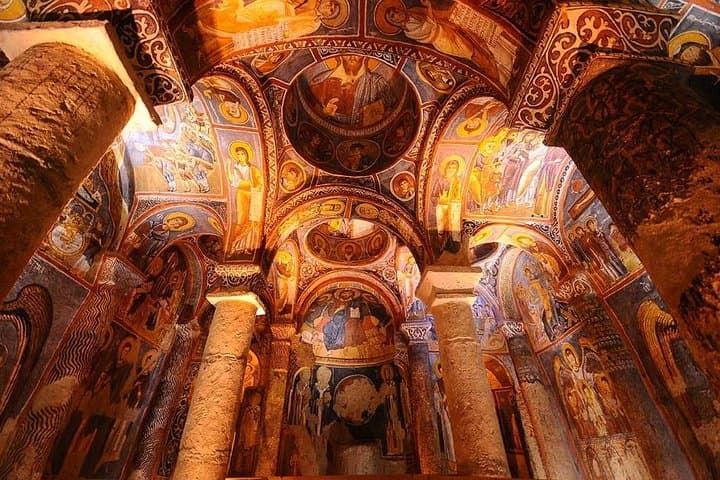
Cappadocia’s shapes are the result of 30 million years of volcanic ash and erosion. Soft tuff held human hands for millennia—people hollowed homes, monasteries and stables into rock, leaving behind a compact archive of daily life and devotion. The Göreme Open Air Museum houses some of the region’s best-preserved frescoes, paintings that survived in dim, sheltered rooms for over a thousand years. Later, pilgrims and farmers added terraces, dovecotes and simple villages; the pigeons you’ll see are more than scenery—traditionally their droppings powered local agriculture.
Culture here blends the Byzantine with Anatolian rural life. On the tour you’ll visit a local shop where pottery, carpets and onyx are worked in long-standing traditions; these crafts tell as much about the place as the cave churches. Geology and history alternate like chapters—each viewpoint answers a different question about how people adapted to a landscape that keeps shifting its lines.
Practically, the Red Tour is private and paced: expect a full day (roughly 6–9 hours) with hotel pickup in a climate-controlled Mercedes Sprinter. You’ll walk mostly on compact dirt and stone paths—some uneven ground and short staircases in sites like Göreme. Admission to the Open Air Museum is included, and the guide brings local context that makes the frescoes readable instead of just pretty. Wear sturdy walking shoes, bring sun protection and at least 1–1.5 liters of water; midday heat in summer can be intense, while spring and fall are comfortably cool.
Tips: arrive early for Devrent to avoid crowds and capture the soft morning light; at Uçhisar, climb the castle for the best panorama of the valleys. Respect the fragile interiors—no flash photography inside frescoed chapels and keep to designated paths. If you have mobility concerns, notify your guide—many stops are accessible but some cave interiors require steps. The tour balances spectacle and detail: it’s a day that shows you how landscapes shaped lives and how those lives, in turn, shaped the land.
easy.
6–9 hours.
Light fitness required—comfortable with multiple short walks and standing for guided explanations
Admission fees to the Open Air Museum are included in the tour price; other small fees are typically covered as noted by the operator.
The tour runs approximately 6–9 hours with multiple short stops; it’s private so the guide can adjust timing to your pace within the itinerary.
Many areas are accessible and the provider notes wheelchair access, but some cave churches and viewpoints have steps—notify the operator in advance to plan alternatives.
Bring small cash for souvenirs, tips, or refreshments; major credit cards may not be accepted at local shops.
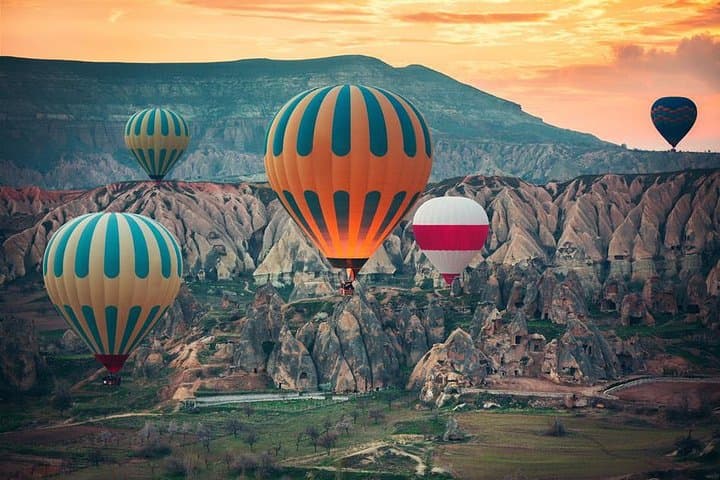
Balloons are a morning spectacle over Göreme; you may see them from overlooks if weather permits, but the Red Tour is a ground-based itinerary.
Full refunds are available if you cancel at least 24 hours before the scheduled departure; last-minute cancellations may not be refundable.
Cappadocia’s cave churches and frescoes date to Byzantine monastic life; many rooms served as chapels, refectories and cell complexes between the 9th and 13th centuries.
The soft tuff that makes Cappadocia unique is fragile—stay on marked trails, avoid touching frescoes and support licensed local guides and businesses to fund preservation.
Pupa Travel operates guided outdoor trips and adventures with an emphasis on safety, stewardship, and memorable experiences.
You step out of the van and the land answers in stone: slabs, cones and towers of pale tuff rise like an unfinished city. The morning sun cuts across the fairy chimneys of Cappadocia, casting long, sculpted shadows that make the valleys look like pages in a geological atlas. On this private Red Tour you move through that atlas—Devrent’s quirky silhouettes, the carved sanctuaries at Göreme Open Air Museum, hand-painted Byzantine frescoes in cool cave churches, and the high, wind-scrubbed lookout at Uçhisar Castle where pigeons wheel like punctuation marks.
You step out of the van and the land answers in stone: slabs, cones and towers of pale tuff rise like an unfinished city. The morning sun cuts across the fairy chimneys of Cappadocia, casting long, sculpted shadows that make the valleys look like pages in a geological atlas. On this private Red Tour you move through that atlas—Devrent’s quirky silhouettes, the carved sanctuaries at Göreme Open Air Museum, hand-painted Byzantine frescoes in cool cave churches, and the high, wind-scrubbed lookout at Uçhisar Castle where pigeons wheel like punctuation marks.
Cappadocia’s shapes are the result of 30 million years of volcanic ash and erosion. Soft tuff held human hands for millennia—people hollowed homes, monasteries and stables into rock, leaving behind a compact archive of daily life and devotion. The Göreme Open Air Museum houses some of the region’s best-preserved frescoes, paintings that survived in dim, sheltered rooms for over a thousand years. Later, pilgrims and farmers added terraces, dovecotes and simple villages; the pigeons you’ll see are more than scenery—traditionally their droppings powered local agriculture.
Culture here blends the Byzantine with Anatolian rural life. On the tour you’ll visit a local shop where pottery, carpets and onyx are worked in long-standing traditions; these crafts tell as much about the place as the cave churches. Geology and history alternate like chapters—each viewpoint answers a different question about how people adapted to a landscape that keeps shifting its lines.
Practically, the Red Tour is private and paced: expect a full day (roughly 6–9 hours) with hotel pickup in a climate-controlled Mercedes Sprinter. You’ll walk mostly on compact dirt and stone paths—some uneven ground and short staircases in sites like Göreme. Admission to the Open Air Museum is included, and the guide brings local context that makes the frescoes readable instead of just pretty. Wear sturdy walking shoes, bring sun protection and at least 1–1.5 liters of water; midday heat in summer can be intense, while spring and fall are comfortably cool.
Tips: arrive early for Devrent to avoid crowds and capture the soft morning light; at Uçhisar, climb the castle for the best panorama of the valleys. Respect the fragile interiors—no flash photography inside frescoed chapels and keep to designated paths. If you have mobility concerns, notify your guide—many stops are accessible but some cave interiors require steps. The tour balances spectacle and detail: it’s a day that shows you how landscapes shaped lives and how those lives, in turn, shaped the land.