THE ADVENTURE COLLECTIVE® · Independent discovery and booking for outdoor travel

Explore Cappadocia's carved churches, fairy chimneys and Avanos potters on a fully private day tour. This guided route mixes geology, Byzantine history and hands‑on culture with hotel pickup and lunch included.
Explore Cappadocia's carved churches, fairy chimneys and Avanos potters on a fully private day tour. This guided route mixes geology, Byzantine history and hands‑on culture with hotel pickup and lunch included.
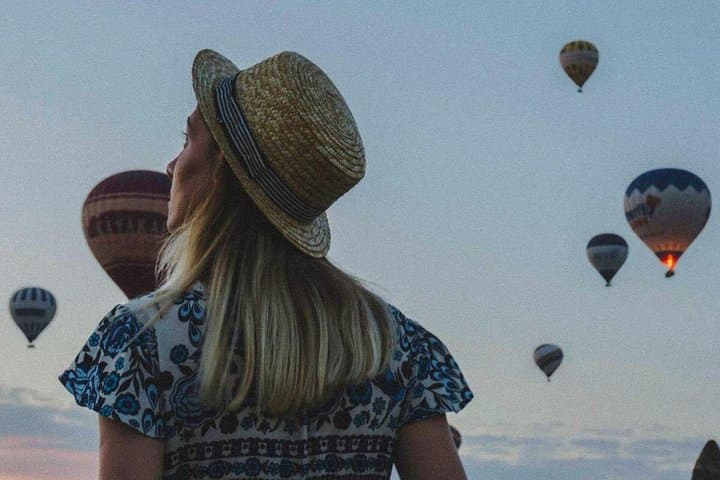
The morning sky over Cappadocia is never still: a dozen hot‑air balloons pinprick the pale blue while a private minibus hums along a sunbaked road toward sculpted rock. You step out at the Göreme Open Air Museum and the wind seems to push stories from the stone — hollowed churches, carved living quarters and medieval frescoes that have watched caravans pass across Anatolia for a thousand years.
Verified experiences and guided adventures in the surrounding area.
Operated by Guide of Ephesus · Göreme, Nevşehir
The morning sky over Cappadocia is never still: a dozen hot‑air balloons pinprick the pale blue while a private minibus hums along a sunbaked road toward sculpted rock. You step out at the Göreme Open Air Museum and the wind seems to push stories from the stone — hollowed churches, carved living quarters and medieval frescoes that have watched caravans pass across Anatolia for a thousand years.
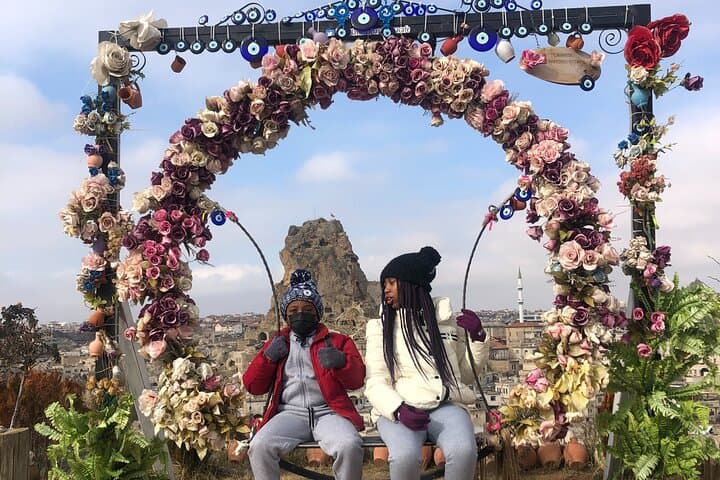
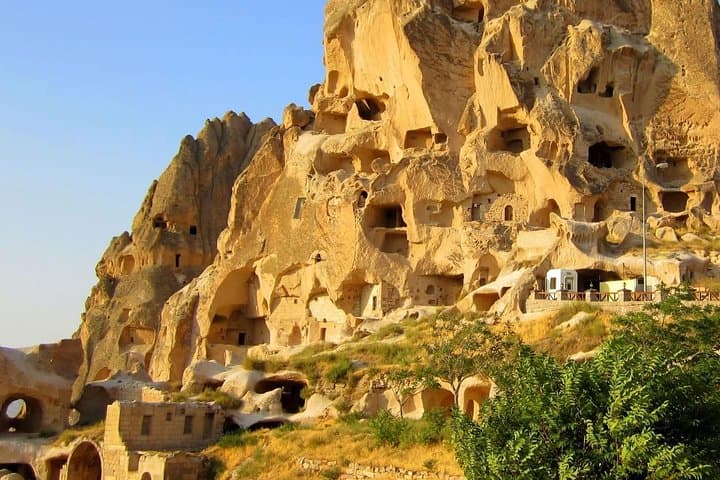
Cappadocia's landscape is geological autobiography. Millennia of volcanic ash compacted into soft tuff, later carved by wind and rain into the iconic fairy chimneys and mushroom‑capped pillars. Byzantine monks turned those eroded halls into chapel after chapel; the frescoes you’ll see at Göreme are practical relics of early Christian life in the caves. Up the ridge at Uchisar, a fortress of volcanic rock offers a panoramic vantage point used for centuries to watch the plains below.
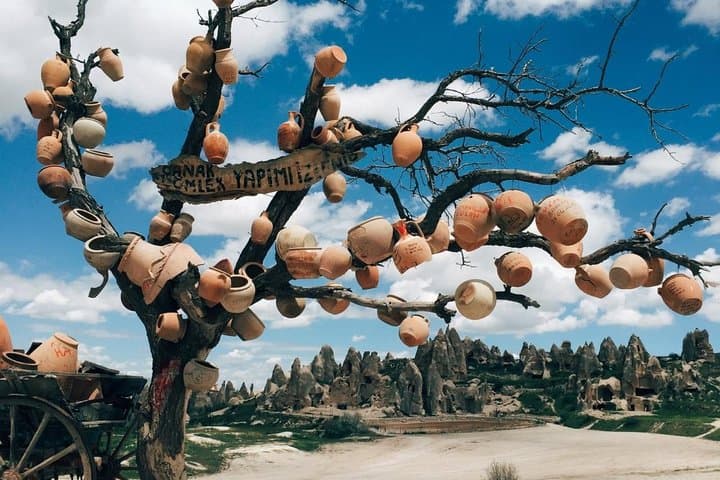
Culture threads through the day: Avanos on the Kızılırmak river is Anatolia's pottery pulse. Clay from the riverbank has been shaped here since Hittite times; a master potter's wheel demonstration is both craft lesson and local economy in motion. Pasabag and Devrent valleys let geology take the lead again — stone chimneys that look like stacked hats or alien towers that dare you to find the best angle.
Practical edge: this private tour runs about 5–9 hours and is paced for varied abilities, with hotel pickup across Cappadocia. Expect a mix of short walks on uneven tuff, paved viewpoints and flat village streets. Guides can tailor the route if you prefer longer photo stops, more time in Avanos to try the wheel, or a relaxed lunch at Uchisar.
Timing and tips matter. Mornings are for soft light and cooler walks; late afternoon casts the rock faces into warm color for sunset photos. The Open Air Museum requires respectful behavior — frescoes are fragile, and many cave sites restrict touching and flash photography.
Logistics: lunch is included and private transportation handles transfers between stops. Bring a small daypack with water, sturdy shoes with good grip, sun protection and a lightweight layer—temperatures shift fast between sunlit plateaus and shaded caves. Cash is handy for pottery purchases and tips.
For travelers who want more: ask your guide about lesser‑tracked trails like Zemi Valley for quieter hiking or the Sobesos mosaic site for an offbeat archaeological stop. The day's shape is equal parts geology and culture, and by 17:00 you return to your hotel with a clearer sense of why Cappadocia feels both ancient and immediate.
easy.
5–9 hours.
Suitable for most fitness levels; expect several short, moderate walks and some stairs or uneven terrain.
Yes; private transportation with hotel pickup is included and the supplier coordinates your exact pickup point after booking.
Admission is not included in the tour price; your guide will advise on purchasing tickets at the site.
Yes; the tour is private and can be adjusted on request for extra time at specific sites or alternative stops.
Yes; the tour is rated easy and suitable for all ages, though mobility limitations may restrict access to some cave interiors and viewpoints.
Balloons are visible from many viewpoints at sunrise; the tour itself does not include a balloon flight but often passes scenic vantage points where balloons are airborne.
Yes; a lunch stop is included, typically at a local restaurant in Uchisar or nearby with traditional Turkish dishes.
Cappadocia's cave network was inhabited by Hittites and later became a refuge and religious center for Byzantine Christians who carved churches and monastic cells into the soft tuff.
Erosion and visitor wear threaten fragile sites; stay on marked paths, avoid touching frescoes, and support local guides who follow preservation rules.
Guide of Ephesus operates guided outdoor trips and adventures with an emphasis on safety, stewardship, and memorable experiences.
The morning sky over Cappadocia is never still: a dozen hot‑air balloons pinprick the pale blue while a private minibus hums along a sunbaked road toward sculpted rock. You step out at the Göreme Open Air Museum and the wind seems to push stories from the stone — hollowed churches, carved living quarters and medieval frescoes that have watched caravans pass across Anatolia for a thousand years.
The morning sky over Cappadocia is never still: a dozen hot‑air balloons pinprick the pale blue while a private minibus hums along a sunbaked road toward sculpted rock. You step out at the Göreme Open Air Museum and the wind seems to push stories from the stone — hollowed churches, carved living quarters and medieval frescoes that have watched caravans pass across Anatolia for a thousand years.
Cappadocia's landscape is geological autobiography. Millennia of volcanic ash compacted into soft tuff, later carved by wind and rain into the iconic fairy chimneys and mushroom‑capped pillars. Byzantine monks turned those eroded halls into chapel after chapel; the frescoes you’ll see at Göreme are practical relics of early Christian life in the caves. Up the ridge at Uchisar, a fortress of volcanic rock offers a panoramic vantage point used for centuries to watch the plains below.
Culture threads through the day: Avanos on the Kızılırmak river is Anatolia's pottery pulse. Clay from the riverbank has been shaped here since Hittite times; a master potter's wheel demonstration is both craft lesson and local economy in motion. Pasabag and Devrent valleys let geology take the lead again — stone chimneys that look like stacked hats or alien towers that dare you to find the best angle.
Practical edge: this private tour runs about 5–9 hours and is paced for varied abilities, with hotel pickup across Cappadocia. Expect a mix of short walks on uneven tuff, paved viewpoints and flat village streets. Guides can tailor the route if you prefer longer photo stops, more time in Avanos to try the wheel, or a relaxed lunch at Uchisar.
Timing and tips matter. Mornings are for soft light and cooler walks; late afternoon casts the rock faces into warm color for sunset photos. The Open Air Museum requires respectful behavior — frescoes are fragile, and many cave sites restrict touching and flash photography.
Logistics: lunch is included and private transportation handles transfers between stops. Bring a small daypack with water, sturdy shoes with good grip, sun protection and a lightweight layer—temperatures shift fast between sunlit plateaus and shaded caves. Cash is handy for pottery purchases and tips.
For travelers who want more: ask your guide about lesser‑tracked trails like Zemi Valley for quieter hiking or the Sobesos mosaic site for an offbeat archaeological stop. The day's shape is equal parts geology and culture, and by 17:00 you return to your hotel with a clearer sense of why Cappadocia feels both ancient and immediate.