THE ADVENTURE COLLECTIVE® · Independent discovery and booking for outdoor travel

Spend a private day in Cappadocia exploring fairy chimneys, underground cities and artisan workshops — then cap it with a family’s homemade wine in a 6th-century cellar. This customizable tour blends geology, history and hands-on culture with the convenience of a private guide and vehicle.
Spend a private day in Cappadocia exploring fairy chimneys, underground cities and artisan workshops — then cap it with a family’s homemade wine in a 6th-century cellar. This customizable tour blends geology, history and hands-on culture with the convenience of a private guide and vehicle.
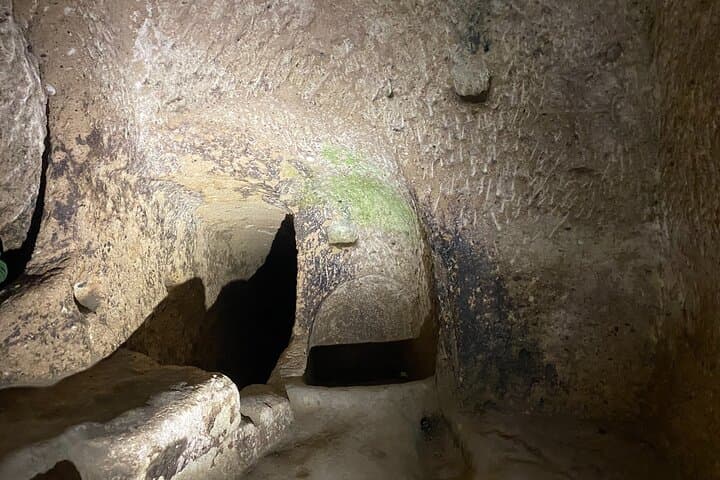
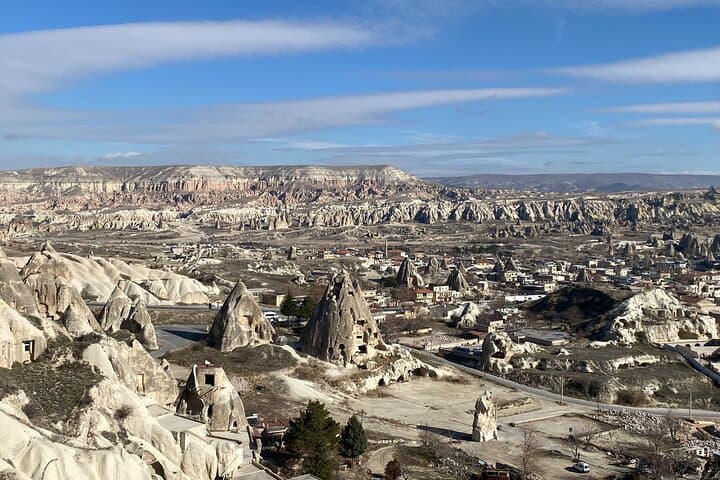
You step out of your hotel before the town fully wakes and the landscape already seems to be testing your expectations — basalt ridges and honey-colored cones rising from a high Anatolian plain. The guide opens the door to an air-conditioned van; the day ahead is private, paced to your curiosity. You move through valleys where rocks have been sculpted by wind and water into the so-called fairy chimneys, and later crouch beneath a low ceiling in an underground city where generations practiced everyday life out of sight.
Verified experiences and guided adventures in the surrounding area.
Operated by Bacchus Tourism · Göreme, Nevşehir Province
You step out of your hotel before the town fully wakes and the landscape already seems to be testing your expectations — basalt ridges and honey-colored cones rising from a high Anatolian plain. The guide opens the door to an air-conditioned van; the day ahead is private, paced to your curiosity. You move through valleys where rocks have been sculpted by wind and water into the so-called fairy chimneys, and later crouch beneath a low ceiling in an underground city where generations practiced everyday life out of sight.
Cappadocia’s geology is a lesson written in tuff. Millions of years of volcanic ash hardened into soft, carveable rock, then stars of erosion exposed towers, spires and honeycombed ridges. Human hands followed, digging churches, pigeon houses and entire subterranean villages into the stone. By the Byzantine era, communities hid from invaders in these multi-level underground cities; later, locals carved dovecotes into cliffs to harvest fertilizer and protect vineyards.
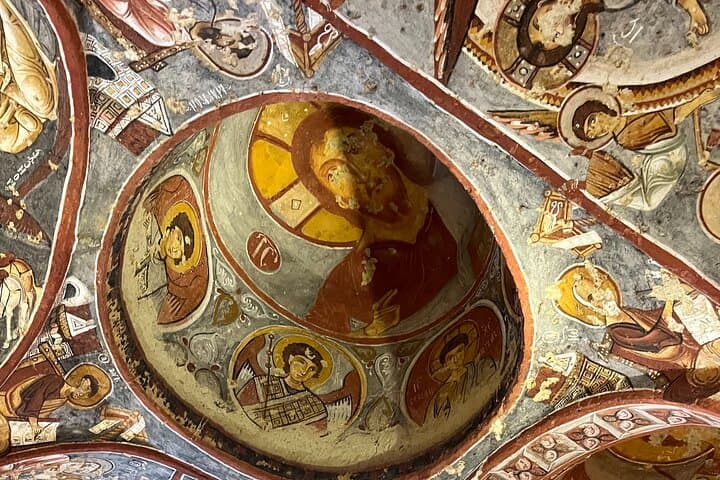
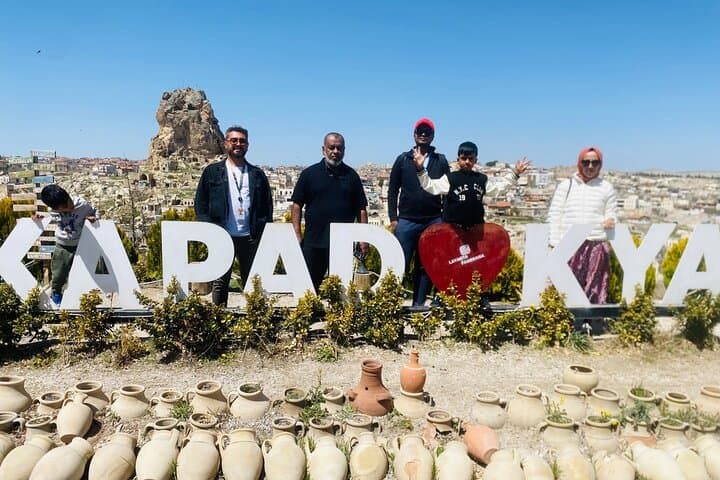
Culture here is practical and quiet. In Göreme and surrounding villages, artisans still shape pottery the way it’s been done for centuries, and families ferment table wine in small cellars. This tour threads those stories together — Christian-era frescoes and rock churches, a demonstration of local handicrafts, a look at pigeon houses, and a stop at a family cellar where homemade wine is poured and explained by a grandfather who remembers harvests by weather, not by meter readings.
Expect walking over uneven ground: total on-foot distance through sites is roughly 3–5 km, with short stair descents of 20–40 m inside underground cities. Elevation in Göreme sits around 1,300 m, so mornings are crisp and sun catches the valley edges fast. The guide helps with tickets at the major sites but carry some cash, as small workshops and local sellers prefer it.
Practical edge: wear sturdy shoes with good traction for gravel and steep steps, bring a daypack with water and a layered jacket for temperature swings. If you plan to photograph, aim for the golden-hour slopes at sunrise or sunset; the light nails the contours. Confirm pickup location and any mobility issues ahead of time — the subterranean passages are narrow.
This is the kind of private day that converts a list of landmarks into relationships: with the land, with the craft, and with a place that guarded its stories underground and opens its cellar door to guests who ask the right questions.
moderate.
5–8 hours.
Moderate fitness: you should be able to walk 3–5 km on uneven terrain and manage stairs/short climbs.
Major site admissions are not included; the guide assists with tickets but bring cash or card for entry fees.
Yes — infants and small children can be accommodated; infant seats are available and the pace can be adjusted.
Yes — pickup is available from most hotels in Göreme and surrounding towns; confirm location when booking.
Wine tasting is intended for adults; non-alcoholic refreshments are normally offered for minors and drivers.
No — subterranean passages include narrow, steep stairs and low ceilings; discuss alternative sights with the operator if mobility is limited.
Yes — the private format allows you to focus more time on geology, churches, handicrafts or the wine cellar depending on your interests.
Cappadocia’s rock-cut churches and underground cities were central to early Christian communities who used the caves for worship and shelter; many frescoes date to Byzantine times.
Erosion of soft tuff is ongoing and visitor impact matters — stay on marked paths, avoid touching frescoes and support local guides and craftmakers to keep tourism sustainable.
Bacchus Tourism operates guided outdoor trips and adventures with an emphasis on safety, stewardship, and memorable experiences.
You step out of your hotel before the town fully wakes and the landscape already seems to be testing your expectations — basalt ridges and honey-colored cones rising from a high Anatolian plain. The guide opens the door to an air-conditioned van; the day ahead is private, paced to your curiosity. You move through valleys where rocks have been sculpted by wind and water into the so-called fairy chimneys, and later crouch beneath a low ceiling in an underground city where generations practiced everyday life out of sight.
You step out of your hotel before the town fully wakes and the landscape already seems to be testing your expectations — basalt ridges and honey-colored cones rising from a high Anatolian plain. The guide opens the door to an air-conditioned van; the day ahead is private, paced to your curiosity. You move through valleys where rocks have been sculpted by wind and water into the so-called fairy chimneys, and later crouch beneath a low ceiling in an underground city where generations practiced everyday life out of sight.
Cappadocia’s geology is a lesson written in tuff. Millions of years of volcanic ash hardened into soft, carveable rock, then stars of erosion exposed towers, spires and honeycombed ridges. Human hands followed, digging churches, pigeon houses and entire subterranean villages into the stone. By the Byzantine era, communities hid from invaders in these multi-level underground cities; later, locals carved dovecotes into cliffs to harvest fertilizer and protect vineyards.
Culture here is practical and quiet. In Göreme and surrounding villages, artisans still shape pottery the way it’s been done for centuries, and families ferment table wine in small cellars. This tour threads those stories together — Christian-era frescoes and rock churches, a demonstration of local handicrafts, a look at pigeon houses, and a stop at a family cellar where homemade wine is poured and explained by a grandfather who remembers harvests by weather, not by meter readings.
Expect walking over uneven ground: total on-foot distance through sites is roughly 3–5 km, with short stair descents of 20–40 m inside underground cities. Elevation in Göreme sits around 1,300 m, so mornings are crisp and sun catches the valley edges fast. The guide helps with tickets at the major sites but carry some cash, as small workshops and local sellers prefer it.
Practical edge: wear sturdy shoes with good traction for gravel and steep steps, bring a daypack with water and a layered jacket for temperature swings. If you plan to photograph, aim for the golden-hour slopes at sunrise or sunset; the light nails the contours. Confirm pickup location and any mobility issues ahead of time — the subterranean passages are narrow.
This is the kind of private day that converts a list of landmarks into relationships: with the land, with the craft, and with a place that guarded its stories underground and opens its cellar door to guests who ask the right questions.