THE ADVENTURE COLLECTIVE® · Independent discovery and booking for outdoor travel

Spend a private day exploring Cappadocia’s otherworldly rock formations, ancient cave churches and pottery towns from Ürgüp. This full-day, guided trip blends geology, history and local craft with flexible pacing and hotel pickup.
Spend a private day exploring Cappadocia’s otherworldly rock formations, ancient cave churches and pottery towns from Ürgüp. This full-day, guided trip blends geology, history and local craft with flexible pacing and hotel pickup.
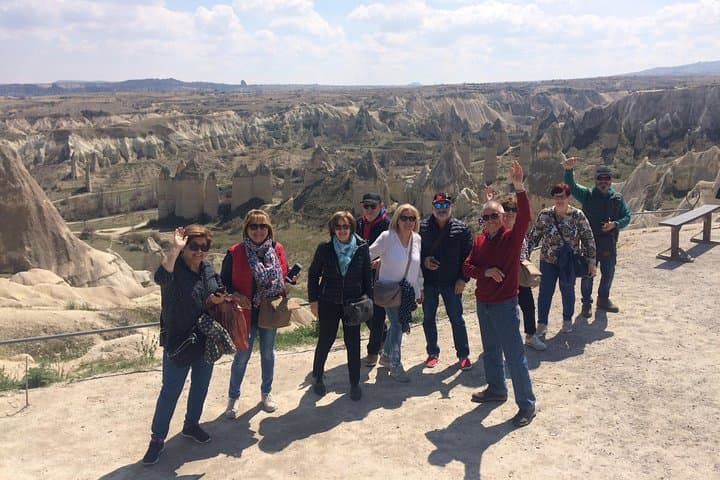
The van pulls away from a low-slung hotel in Ürgüp and the lunar landscape of Cappadocia unfurls like a living map. Low cliffs and honeycombed rock give way to narrow valleys where wind and time have chiselled towers and chimneys that lean like old friends. Your guide—trained in tourism, fluent in English or Spanish—opens a window on the geology and the people who still carve homes from tuff. By late morning, you’re standing beneath mushroom-cap pinnacles, the rock shading you as if the landscape itself is offering respite.
Verified experiences and guided adventures in the surrounding area.
Operated by Cappadocia Tour Guide · Ürgüp, Nevşehir
The van pulls away from a low-slung hotel in Ürgüp and the lunar landscape of Cappadocia unfurls like a living map. Low cliffs and honeycombed rock give way to narrow valleys where wind and time have chiselled towers and chimneys that lean like old friends. Your guide—trained in tourism, fluent in English or Spanish—opens a window on the geology and the people who still carve homes from tuff. By late morning, you’re standing beneath mushroom-cap pinnacles, the rock shading you as if the landscape itself is offering respite.
Cappadocia’s story is written in stone. Volcanic ash deposited millions of years ago compacted into soft tuff; rivers, wind and human hands have cut rooms, churches and communities into that soft rock ever since. The region’s Christians painted frescoes in cave churches in the 10th–12th centuries, turning pale chambers into color-filled chapels—art that survived because stone insulated it from weather and war. Later, potters in towns like Avanos turned local clay into practical art; weaving and craftsmanship still anchor local life.
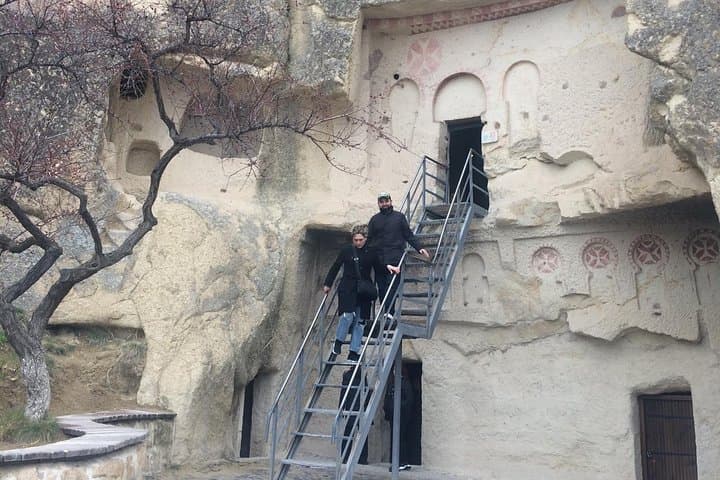
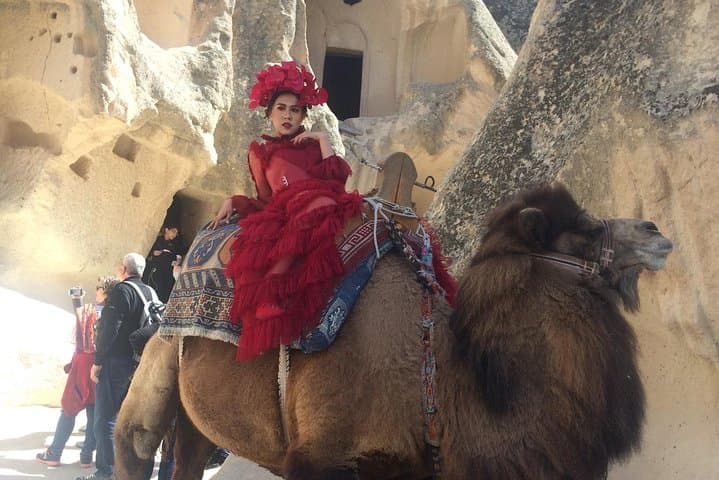
Your private day tour threads together these layers: a quick stop at a camel-shaped rock for a photo, a stroll among mushroom-shaped fairy chimneys, a visit to a living arts town to see potters wheel and dyes steaming, then a small, cool cave church where frescoes resist the sun’s erasure. Göreme’s panorama has a way of making distances shrink—the valleys call out, their ridgelines daring you to follow. Time on this route is generous: the operator plans 6–8 hours so you can move at an unhurried pace and linger where the view rewards you.
Practical matters are straightforward. Pickup from hotels in Ürgüp is standard between 09:30–10:00; the tour is private and tailor-made for your group. Wear sturdy shoes—the walking surfaces range from compact dirt tracks to uneven flagstone—and bring layered clothing to cope with sharp temperature swings between shade and sun. Entrance fees to museums or specific cave churches may not be included; check your booking details if you want skip-the-line access. Hot-air balloon rides are a separate booking and typically happen at sunrise if you want the iconic aerial perspective.
This is a day best paced for slow curiosity: ask about family-run pottery workshops, tip with local currency for guides who explain the history, and keep your camera charged. In Cappadocia, geology gestures, history waits in shadowed rooms, and craft keeps the present rooted in the rock.
moderate.
6–8 hours.
Comfortable with several short walks and standing for photo stops; moderate fitness recommended.
Yes—pickup from hotels in Ürgüp is standard between 09:30 and 10:00; private transfers can often accommodate nearby towns if arranged in advance.
Some sites and museum entries may require separate admission; check your booking or ask your guide ahead of time to confirm which stops include fees.
Hot-air balloon flights are not part of this day tour and must be booked separately—book early, as spots fill quickly at sunrise.
Infants and small children can join; some valley paths are uneven so strollers won’t be usable everywhere—bring a child carrier for easier mobility.
Guides are professionally trained and typically offer service in English or Spanish; confirm language preference when booking.
Expect several short walks (10–45 minutes) at viewpoints and sites—overall activity is moderate but manageable for most travelers with basic mobility.
Cappadocia’s cave churches and underground refuges date to Byzantine-era Christians (10th–12th centuries) who carved sanctuaries into tuff for worship and protection.
The region limits new construction near key valleys and promotes sustainable tourism; stick to marked paths and avoid climbing fragile formations to help preserve the soft tuff.
Cappadocia Tour Guide operates guided outdoor trips and adventures with an emphasis on safety, stewardship, and memorable experiences.
The van pulls away from a low-slung hotel in Ürgüp and the lunar landscape of Cappadocia unfurls like a living map. Low cliffs and honeycombed rock give way to narrow valleys where wind and time have chiselled towers and chimneys that lean like old friends. Your guide—trained in tourism, fluent in English or Spanish—opens a window on the geology and the people who still carve homes from tuff. By late morning, you’re standing beneath mushroom-cap pinnacles, the rock shading you as if the landscape itself is offering respite.
The van pulls away from a low-slung hotel in Ürgüp and the lunar landscape of Cappadocia unfurls like a living map. Low cliffs and honeycombed rock give way to narrow valleys where wind and time have chiselled towers and chimneys that lean like old friends. Your guide—trained in tourism, fluent in English or Spanish—opens a window on the geology and the people who still carve homes from tuff. By late morning, you’re standing beneath mushroom-cap pinnacles, the rock shading you as if the landscape itself is offering respite.
Cappadocia’s story is written in stone. Volcanic ash deposited millions of years ago compacted into soft tuff; rivers, wind and human hands have cut rooms, churches and communities into that soft rock ever since. The region’s Christians painted frescoes in cave churches in the 10th–12th centuries, turning pale chambers into color-filled chapels—art that survived because stone insulated it from weather and war. Later, potters in towns like Avanos turned local clay into practical art; weaving and craftsmanship still anchor local life.
Your private day tour threads together these layers: a quick stop at a camel-shaped rock for a photo, a stroll among mushroom-shaped fairy chimneys, a visit to a living arts town to see potters wheel and dyes steaming, then a small, cool cave church where frescoes resist the sun’s erasure. Göreme’s panorama has a way of making distances shrink—the valleys call out, their ridgelines daring you to follow. Time on this route is generous: the operator plans 6–8 hours so you can move at an unhurried pace and linger where the view rewards you.
Practical matters are straightforward. Pickup from hotels in Ürgüp is standard between 09:30–10:00; the tour is private and tailor-made for your group. Wear sturdy shoes—the walking surfaces range from compact dirt tracks to uneven flagstone—and bring layered clothing to cope with sharp temperature swings between shade and sun. Entrance fees to museums or specific cave churches may not be included; check your booking details if you want skip-the-line access. Hot-air balloon rides are a separate booking and typically happen at sunrise if you want the iconic aerial perspective.
This is a day best paced for slow curiosity: ask about family-run pottery workshops, tip with local currency for guides who explain the history, and keep your camera charged. In Cappadocia, geology gestures, history waits in shadowed rooms, and craft keeps the present rooted in the rock.