THE ADVENTURE COLLECTIVE® · Independent discovery and booking for outdoor travel

Join a private three‑hour capoeira workshop in Salvador to learn basic moves, play in a live roda, and hear the history of this Afro‑Brazilian martial art. Ideal for travelers who want an active cultural immersion with local musicians and experienced instructors.
Join a private three‑hour capoeira workshop in Salvador to learn basic moves, play in a live roda, and hear the history of this Afro‑Brazilian martial art. Ideal for travelers who want an active cultural immersion with local musicians and experienced instructors.
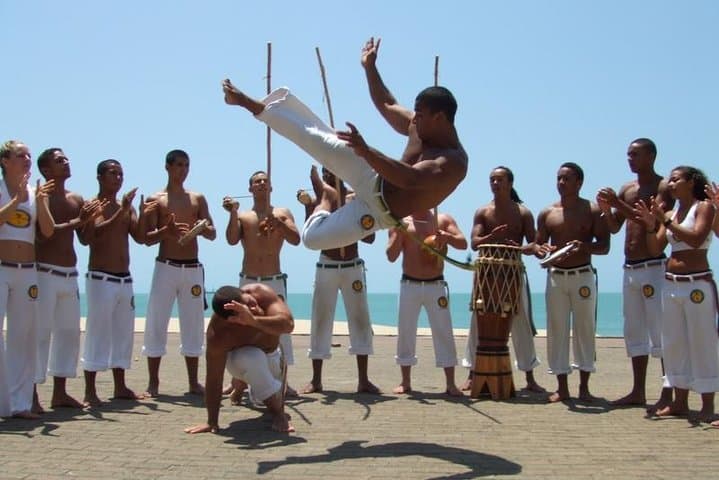
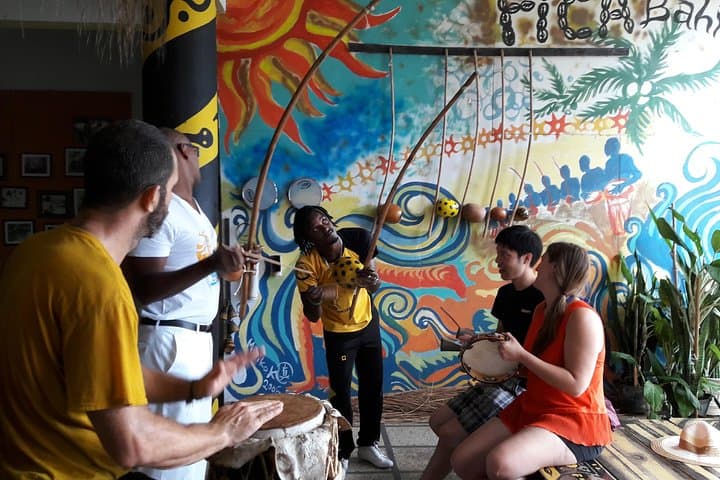
You step through an open door into a warm room where the berimbau’s single string hums like a tide and bodies circle, testing balance and rhythm. The city’s sea breeze filters through the windows and the group begins a roda — the circular space where capoeira tests skill, play and history.
Verified experiences and guided adventures in the surrounding area.
Operated by Your Tour Brazil · Salvador, Bahia
You step through an open door into a warm room where the berimbau’s single string hums like a tide and bodies circle, testing balance and rhythm. The city’s sea breeze filters through the windows and the group begins a roda — the circular space where capoeira tests skill, play and history.
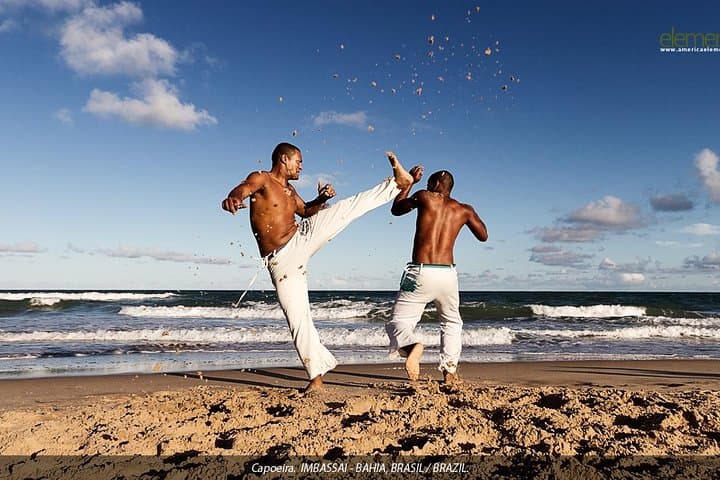
Capoeira developed in Bahia among enslaved Africans as a disguised martial art and cultural practice. In Salvador, the practice remains tied to Afro‑Brazilian identity: the instruments (berimbau, pandeiro, atabaque) set tempo while players trade kicks, sweeps and improvised moves that read as dance and self‑defense.
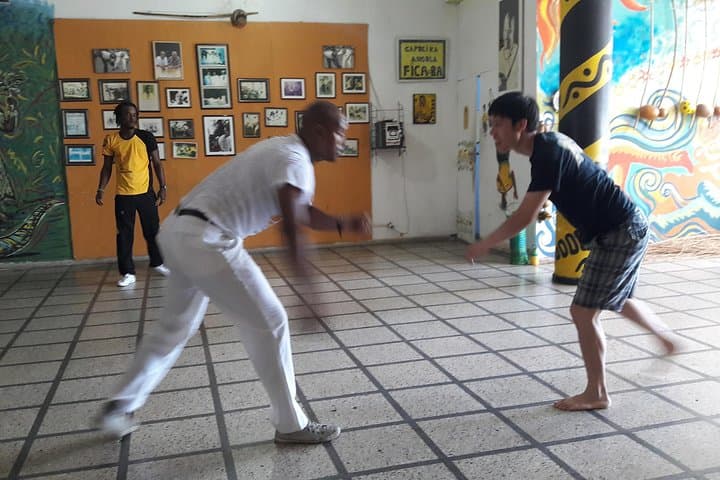
Geologically, Salvador sits on ancient coastal rock; culturally, it sits at a crossroads — Portuguese colonial squares, African spiritual traditions, and contemporary samba and reggae. A private three‑hour class typically begins with a workshop on basic ginga, escapes and partner drills, then integrates students into a regular school class, offering an authentic immersion that foregrounds respect and musical timing.
Practically, expect hands‑on teaching, rhythmic repetition, and a social roda where you’ll be encouraged to try and observe. The session accommodates all fitness levels but is physically engaging; barefoot or flat, flexible shoes are common. Bring water, lightweight clothes, and an open attitude. The operator offers hotel pickup and drop‑off and can accommodate wheelchairs for parts of the experience, though some movements require mobility.
Leave with new coordination, an appreciation of Bahia’s resistance history, and practical moves you can keep practicing. For travelers seeking cultural movement rather than a passive show, this private class is an efficient, embodied way into Salvador’s living heritage.
easy.
3 hours.
Suitable for most fitness levels; expect moderate cardio, agility and flexibility work. Basic balance and coordination help.
No — the private workshop teaches basic ginga, escapes and simple attacks, then integrates you into a class at your comfort level.
Yes — the operator lists the activity as physically easy and accessible; modifications are provided, though some movements require basic mobility.
Many instructors speak Portuguese; guides may be multilingual and some sessions offer instruction in English — confirm when booking.
Yes — the itinerary notes hotel pickup and drop‑off are included; verify pickup point and minimum participant requirement during booking.
Capoeira in Bahia evolved as a disguised martial practice among enslaved Africans and became a core element of Afro‑Brazilian cultural identity in Salvador.
Support local schools and instructors directly and avoid commercialized performances that exploit traditions; choose operators who pay and credit local teachers.
Your Tour Brazil operates guided outdoor trips and adventures with an emphasis on safety, stewardship, and memorable experiences.
You step through an open door into a warm room where the berimbau’s single string hums like a tide and bodies circle, testing balance and rhythm. The city’s sea breeze filters through the windows and the group begins a roda — the circular space where capoeira tests skill, play and history.
You step through an open door into a warm room where the berimbau’s single string hums like a tide and bodies circle, testing balance and rhythm. The city’s sea breeze filters through the windows and the group begins a roda — the circular space where capoeira tests skill, play and history.
Capoeira developed in Bahia among enslaved Africans as a disguised martial art and cultural practice. In Salvador, the practice remains tied to Afro‑Brazilian identity: the instruments (berimbau, pandeiro, atabaque) set tempo while players trade kicks, sweeps and improvised moves that read as dance and self‑defense.
Geologically, Salvador sits on ancient coastal rock; culturally, it sits at a crossroads — Portuguese colonial squares, African spiritual traditions, and contemporary samba and reggae. A private three‑hour class typically begins with a workshop on basic ginga, escapes and partner drills, then integrates students into a regular school class, offering an authentic immersion that foregrounds respect and musical timing.
Practically, expect hands‑on teaching, rhythmic repetition, and a social roda where you’ll be encouraged to try and observe. The session accommodates all fitness levels but is physically engaging; barefoot or flat, flexible shoes are common. Bring water, lightweight clothes, and an open attitude. The operator offers hotel pickup and drop‑off and can accommodate wheelchairs for parts of the experience, though some movements require mobility.
Leave with new coordination, an appreciation of Bahia’s resistance history, and practical moves you can keep practicing. For travelers seeking cultural movement rather than a passive show, this private class is an efficient, embodied way into Salvador’s living heritage.