THE ADVENTURE COLLECTIVE® · Independent discovery and booking for outdoor travel

Spend a private half day tasting at two estates in either Constantia or Stellenbosch, sampling wines amid Cape Dutch homesteads and vineyard views. This private tour delivers cellar-door context—history, terroir and tasting etiquette—without the fuss of logistics.
Spend a private half day tasting at two estates in either Constantia or Stellenbosch, sampling wines amid Cape Dutch homesteads and vineyard views. This private tour delivers cellar-door context—history, terroir and tasting etiquette—without the fuss of logistics.
The tour begins on a sun-washed road out of Cape Town, the city dropping away as mountain ridges close in and vineyards unfold like ordered fields. Guests step from an air-conditioned vehicle onto gravel drives lined with oaks and Cape Dutch homesteads; the scent of crushed grape skins and new oak drifts from cellar doors where small-group tastings are staged.
Verified experiences and guided adventures in the surrounding area.
Operated by OTC Adventures Pty Ltd · Cape Town, Western Cape
The tour begins on a sun-washed road out of Cape Town, the city dropping away as mountain ridges close in and vineyards unfold like ordered fields. Guests step from an air-conditioned vehicle onto gravel drives lined with oaks and Cape Dutch homesteads; the scent of crushed grape skins and new oak drifts from cellar doors where small-group tastings are staged.
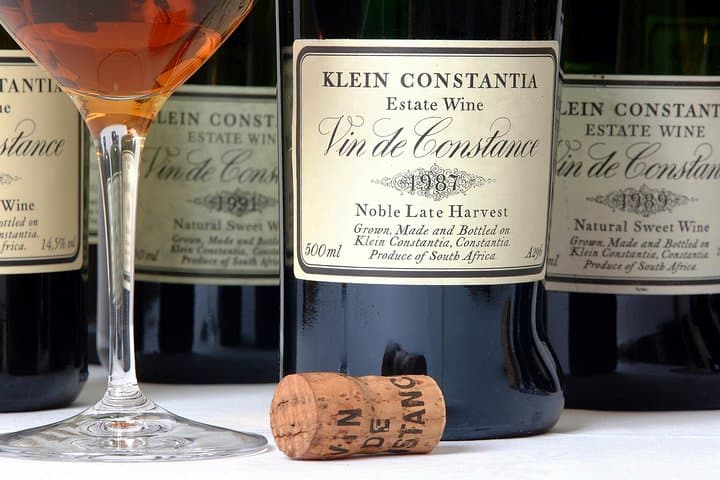
The Winelands trace their roots to the 17th and 18th centuries, when Dutch settlers planted vines in sheltered valleys; Constantia claims the title of South Africa’s oldest wine region, while Stellenbosch grew into a center of wine scholarship and Cape Dutch architecture. Geology matters here—granite and shale soils in Stellenbosch produce structured reds, while Constantia’s cooler maritime influence favors elegant whites and fortified wines.
Expect two estate stops in a private, 4–5 hour window: a cellar-door tasting, a short walk through manicured vineyards or gardens, and time to photograph manor houses. Terrain is easy—paved and compacted gravel with some grassy slopes—so physical strain is minimal but footwear should handle uneven surfaces.
Practical notes: bring ID for tastings, sunscreen and a hat for southern-hemisphere sun, and a light layer for coastal breezes. Ask in advance about pickup and whether any estate upgrades (cellar tours, cheese pairings) are available. Guides balance story and logistics—ask about grape varieties, the harvest calendar (late summer to autumn) and local dining suggestions to extend the day. This half-day tour is an accessible introduction to Cape viticulture with enough context to appreciate terroir, history, and bottle provenance.
easy.
4–5 hours.
Suitable for all fitness levels; involves short, gentle walks around estates and standing during tastings.
The tour includes tastings at two estates and private air-conditioned transport; some optional experiences (cellar tours, premium pairing) may cost extra—confirm at booking.
Most operators offer hotel or accommodation pickup in Cape Town—provide your pickup location when booking and confirm the time window the night before.
Yes; the walking is easy and non-alcoholic options (grape juice, water) are typically available—notify the operator of any children or non-drinkers when booking.
Late summer to autumn (February–April) coincides with harvest and lively cellar activity, but vineyards are pleasant year-round; check for estate closures on public holidays.
Winemaking in the Cape dates to the 17th century with Dutch settlers; Constantia is the oldest formal wine district while Stellenbosch developed as a commercial and academic center of viticulture.
Many estates practice sustainable viticulture and water-wise farming; visitors can help by staying on paths, respecting irrigation systems and avoiding single-use plastics.
OTC Adventures Pty Ltd operates guided outdoor trips and adventures with an emphasis on safety, stewardship, and memorable experiences.
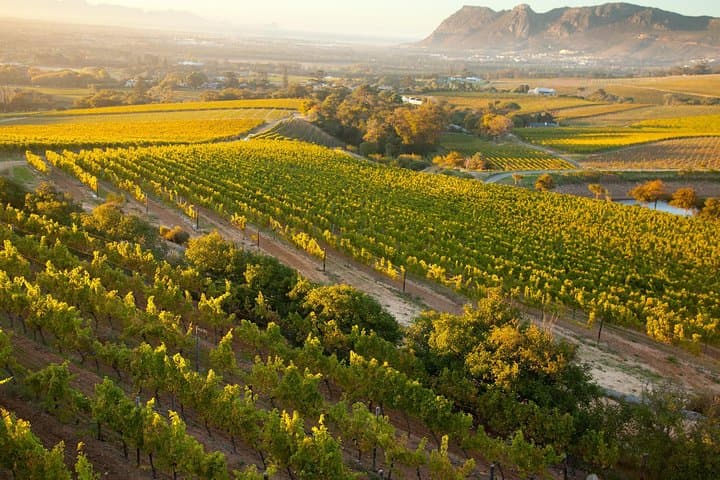
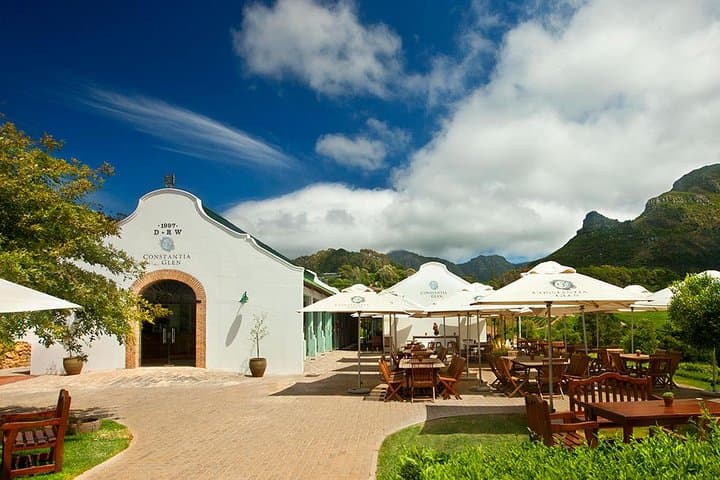
The tour begins on a sun-washed road out of Cape Town, the city dropping away as mountain ridges close in and vineyards unfold like ordered fields. Guests step from an air-conditioned vehicle onto gravel drives lined with oaks and Cape Dutch homesteads; the scent of crushed grape skins and new oak drifts from cellar doors where small-group tastings are staged.
The tour begins on a sun-washed road out of Cape Town, the city dropping away as mountain ridges close in and vineyards unfold like ordered fields. Guests step from an air-conditioned vehicle onto gravel drives lined with oaks and Cape Dutch homesteads; the scent of crushed grape skins and new oak drifts from cellar doors where small-group tastings are staged.
The Winelands trace their roots to the 17th and 18th centuries, when Dutch settlers planted vines in sheltered valleys; Constantia claims the title of South Africa’s oldest wine region, while Stellenbosch grew into a center of wine scholarship and Cape Dutch architecture. Geology matters here—granite and shale soils in Stellenbosch produce structured reds, while Constantia’s cooler maritime influence favors elegant whites and fortified wines.
Expect two estate stops in a private, 4–5 hour window: a cellar-door tasting, a short walk through manicured vineyards or gardens, and time to photograph manor houses. Terrain is easy—paved and compacted gravel with some grassy slopes—so physical strain is minimal but footwear should handle uneven surfaces.
Practical notes: bring ID for tastings, sunscreen and a hat for southern-hemisphere sun, and a light layer for coastal breezes. Ask in advance about pickup and whether any estate upgrades (cellar tours, cheese pairings) are available. Guides balance story and logistics—ask about grape varieties, the harvest calendar (late summer to autumn) and local dining suggestions to extend the day. This half-day tour is an accessible introduction to Cape viticulture with enough context to appreciate terroir, history, and bottle provenance.