THE ADVENTURE COLLECTIVE® · Independent discovery and booking for outdoor travel

Cook traditional Cape Malay dishes in a private Grassy Park home with host Lorette. Learn family recipes, dine together, and get a genuine introduction to Cape Town’s multicultural foodways.
Cook traditional Cape Malay dishes in a private Grassy Park home with host Lorette. Learn family recipes, dine together, and get a genuine introduction to Cape Town’s multicultural foodways.
The front gate opens onto a small suburban garden where rosemary and curry leaf brush the sun-warmed path. Inside Lorette and Desmond’s renovated Grassy Park house, the kitchen hums: a kettle, the clack of utensils and the earthy scent of turmeric and cinnamon. Guests gather around a wide counter to learn recipes handed down through generations—mini rotis, bobotie and malva pudding—each step guided by stories that map family, faith and migration.
Verified experiences and guided adventures in the surrounding area.
Operated by Traveling Spoon · Grassy Park, Western Cape
The front gate opens onto a small suburban garden where rosemary and curry leaf brush the sun-warmed path. Inside Lorette and Desmond’s renovated Grassy Park house, the kitchen hums: a kettle, the clack of utensils and the earthy scent of turmeric and cinnamon. Guests gather around a wide counter to learn recipes handed down through generations—mini rotis, bobotie and malva pudding—each step guided by stories that map family, faith and migration.
Cape Malay cuisine carries layers of history: enslaved people and exiles from Southeast Asia and the Indian Ocean arrived at the Cape in the 17th–19th centuries, bringing spices and techniques that fused with local produce. The Southern Peninsula’s geology—granite slopes and sandy coastal plains—feeds the gardens that supply the kitchen; Lorette often picks herbs straight from her plot. The class is as much cultural exchange as culinary lesson: expect conversation about community, halal practices, and the rhythms of life in a residential Cape Town neighborhood.
Practically, the 3-hour private experience includes a welcome drink, 1–2 hours of hands-on cooking, then a shared meal. Vegetarians and halal diets are accommodated; the setting is family-friendly and stroller-accessible. Arrive with curiosity, wear comfortable shoes for a short stroll through the garden, and bring questions about spice blends and preservation. The pace is deliberate—chopping, simmering, tasting—so plan transport ahead; Grassy Park is served by trains and buses but allow extra time during rush hour.
This class is best for travelers who want intimate access to local cuisine and household hospitality rather than a commercial demo.
easy.
3 hours.
Low—suitable for most people who can stand for short periods and move in a small kitchen space.
Yes—Lorette offers vegetarian and halal options; indicate requirements when booking so recipes can be adapted.
Yes—infants and small children can use a pram; older children can participate but note kitchen safety and space limits.
This is a 100% private class held in Lorette’s family home for your booking only; you’ll dine with your hosts afterwards.
Full refund if canceled at least 24 hours before the scheduled time; no refund within 24 hours.
Cape Malay cuisine traces to enslaved and exiled people from Southeast Asia and the Indian Ocean who influenced Cape Town’s spice traditions.
Water is scarce in the region—hosts and visitors should minimize waste and favor locally grown produce; support small-home enterprises to keep economic benefits local.
Traveling Spoon operates guided outdoor trips and adventures with an emphasis on safety, stewardship, and memorable experiences.
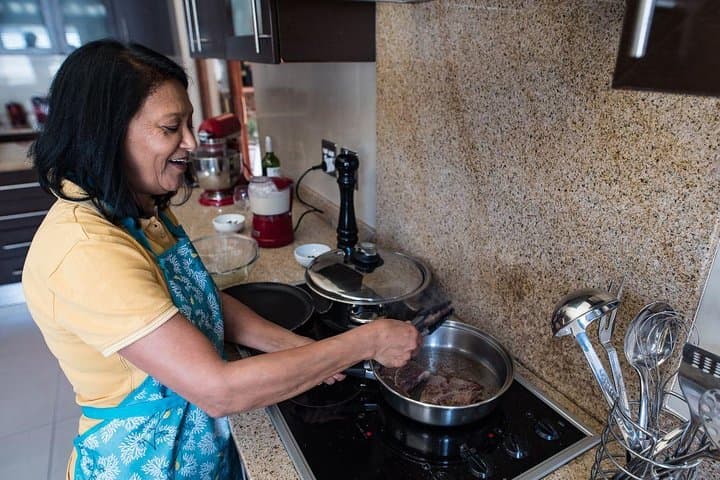
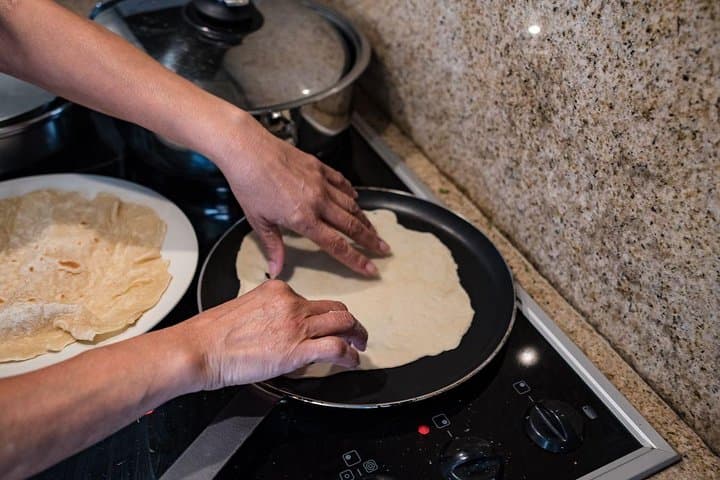
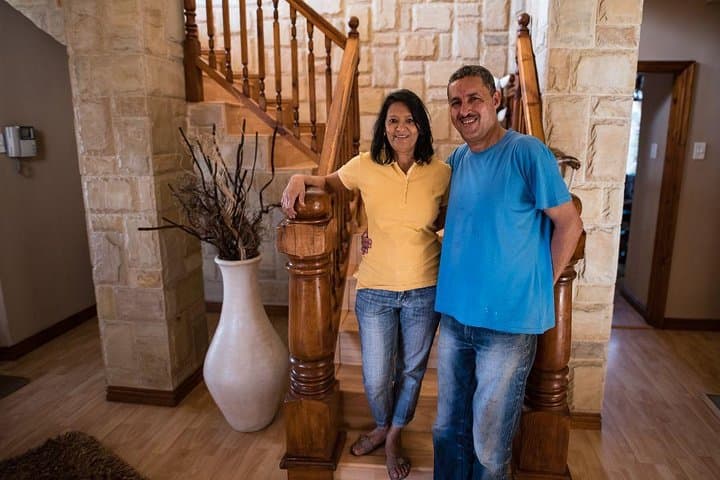
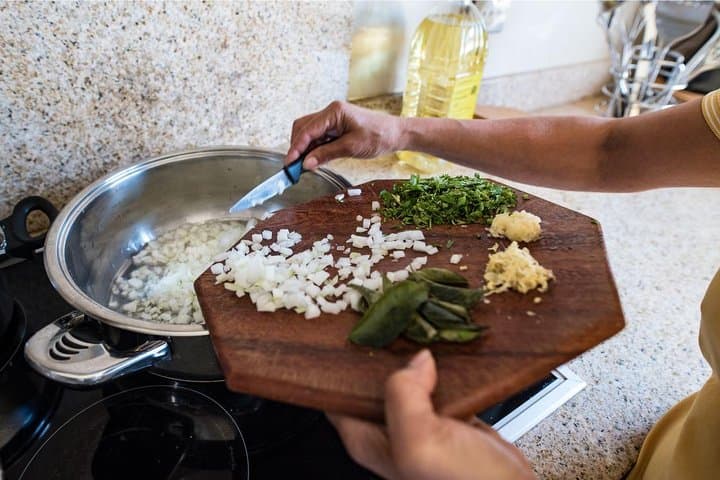
The front gate opens onto a small suburban garden where rosemary and curry leaf brush the sun-warmed path. Inside Lorette and Desmond’s renovated Grassy Park house, the kitchen hums: a kettle, the clack of utensils and the earthy scent of turmeric and cinnamon. Guests gather around a wide counter to learn recipes handed down through generations—mini rotis, bobotie and malva pudding—each step guided by stories that map family, faith and migration.
The front gate opens onto a small suburban garden where rosemary and curry leaf brush the sun-warmed path. Inside Lorette and Desmond’s renovated Grassy Park house, the kitchen hums: a kettle, the clack of utensils and the earthy scent of turmeric and cinnamon. Guests gather around a wide counter to learn recipes handed down through generations—mini rotis, bobotie and malva pudding—each step guided by stories that map family, faith and migration.
Cape Malay cuisine carries layers of history: enslaved people and exiles from Southeast Asia and the Indian Ocean arrived at the Cape in the 17th–19th centuries, bringing spices and techniques that fused with local produce. The Southern Peninsula’s geology—granite slopes and sandy coastal plains—feeds the gardens that supply the kitchen; Lorette often picks herbs straight from her plot. The class is as much cultural exchange as culinary lesson: expect conversation about community, halal practices, and the rhythms of life in a residential Cape Town neighborhood.
Practically, the 3-hour private experience includes a welcome drink, 1–2 hours of hands-on cooking, then a shared meal. Vegetarians and halal diets are accommodated; the setting is family-friendly and stroller-accessible. Arrive with curiosity, wear comfortable shoes for a short stroll through the garden, and bring questions about spice blends and preservation. The pace is deliberate—chopping, simmering, tasting—so plan transport ahead; Grassy Park is served by trains and buses but allow extra time during rush hour.
This class is best for travelers who want intimate access to local cuisine and household hospitality rather than a commercial demo.