THE ADVENTURE COLLECTIVE® · Independent discovery and booking for outdoor travel

Visit Africa’s southernmost tip on a private day tour that pairs the rocky meeting point of two oceans with a historic lighthouse, a shipwreck museum and a cool-climate winery. Expect dramatic coastline, seafood lunches and accessible short walks.
Visit Africa’s southernmost tip on a private day tour that pairs the rocky meeting point of two oceans with a historic lighthouse, a shipwreck museum and a cool-climate winery. Expect dramatic coastline, seafood lunches and accessible short walks.
You step from the air-conditioned vehicle onto a low, rocky shore where two currents seem to argue beneath your feet—one cool and Atlantic, the other warmer and Indian—while wind pulls at your jacket and the lighthouse blinks steadily behind you.
Verified experiences and guided adventures in the surrounding area.
Operated by Flamboyant Travel and Tours · Cape Agulhas, Western Cape
You step from the air-conditioned vehicle onto a low, rocky shore where two currents seem to argue beneath your feet—one cool and Atlantic, the other warmer and Indian—while wind pulls at your jacket and the lighthouse blinks steadily behind you.
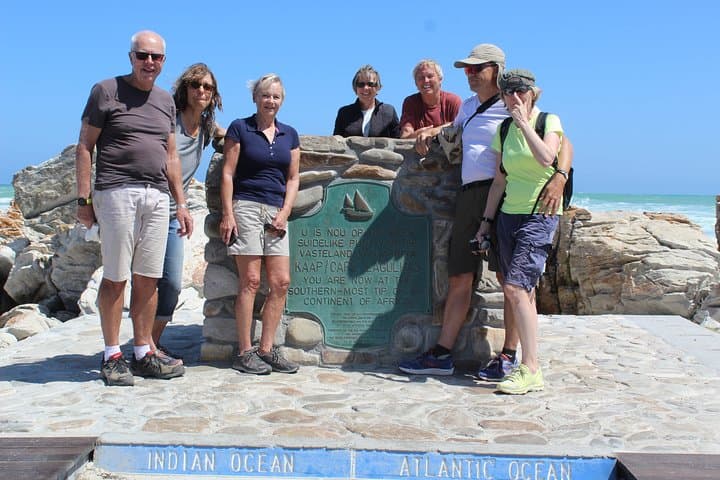
Cape Agulhas marks Africa’s southernmost tip and the conventional divide between the Atlantic and Indian Oceans. The shoreline here is a mix of Table Mountain sandstones, shallow banks and jagged reefs; sailors have long respected—and feared—this stretch, which explains the nearby shipwreck collection in Bredasdorp. Inland the land flattens into rolling agricultural plains, canola fields in spring and the cool-climate vineyards of Elgin whose wines have grown a reputation on account of chilly ocean-influenced air.
Culturally the Overberg towns reflect Afrikaner and Khoikhoi histories, colonial shipping routes and a fishing economy that still supplies local restaurants with daily catches. Geologically the Agulhas Bank is shallow and biologically rich, producing prolific fisheries and attracting seabirds along exposed headlands.
Practical guidance: this private tour runs about eight hours with guided stops at the southern tip, the lighthouse and the Shipwreck Museum, plus an optional winery visit. Expect short, uneven walks over rock and sand—sturdy footwear is recommended. Weather changes fast; a windproof layer and sun protection are smart even on overcast days. Bring a camera and binoculars for seabirds and distant whale spouts in season. If you plan to wade the shallow banks, check the guide for tide and safety notes. Timing your visit for mid-morning or late afternoon gives the best light and fewer tour groups—ideal for photos and a quieter sense of place.
easy.
8 hours.
Suitable for most fitness levels; involves short walks on uneven terrain and minimal elevation change.
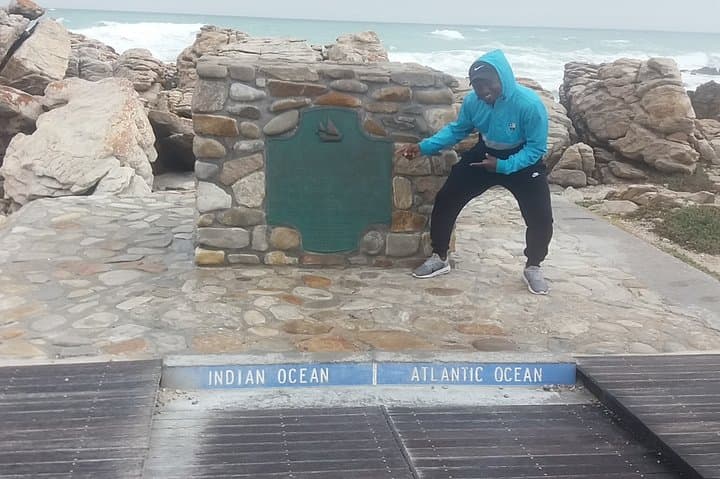
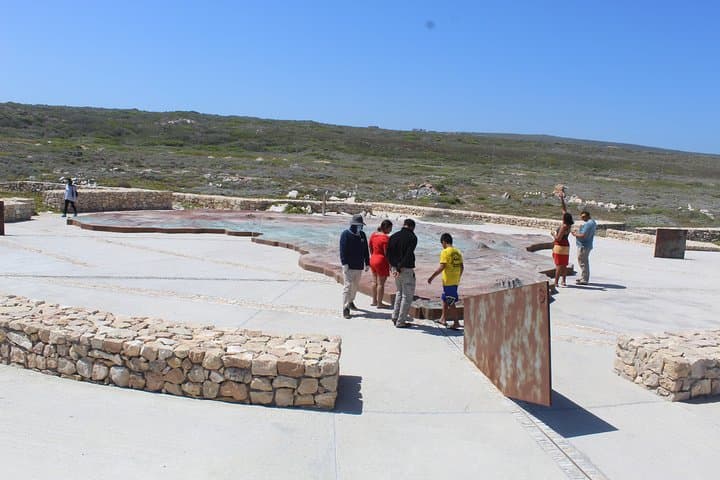
Cape Agulhas is the conventional geographic point where the boundary between the Atlantic and Indian Oceans is drawn; you’ll see a survey marker and interpretive signage at the tip.
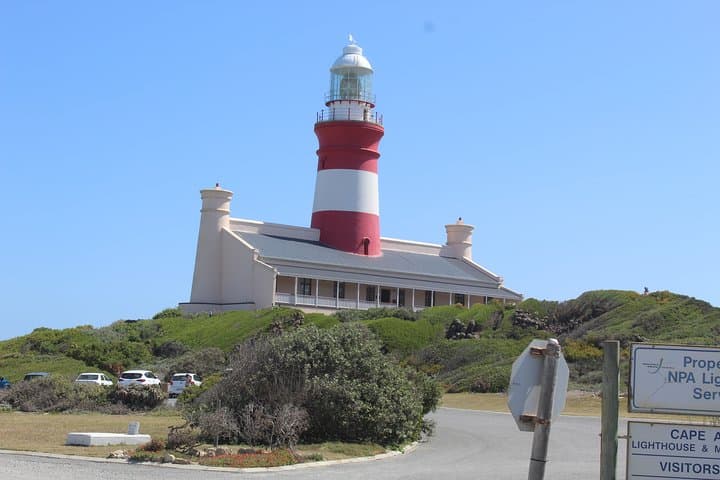
The lighthouse is accessible for exterior photos; scheduled interior climbs depend on the day and local operator hours—ask your guide to confirm access.
Swimming near the rocky headland and Agulhas Bank can be hazardous due to currents and submerged rocks; stick to sheltered beaches and follow local advice.
Lunch is not always included; however local restaurants near Cape Agulhas serve fresh seafood—your guide can recommend or reserve a spot based on the day’s catch.
This coastline has been a maritime crossroads and hazard for centuries; Bredasdorp’s Shipwreck Museum documents roughly 150 documented wrecks from multiple eras and nationalities.
The Agulhas Bank supports important fisheries and sensitive marine habitats; stick to marked paths, avoid disturbing bird colonies and opt for operators that follow responsible wildlife guidelines.
Flamboyant Travel and Tours operates guided outdoor trips and adventures with an emphasis on safety, stewardship, and memorable experiences.
You step from the air-conditioned vehicle onto a low, rocky shore where two currents seem to argue beneath your feet—one cool and Atlantic, the other warmer and Indian—while wind pulls at your jacket and the lighthouse blinks steadily behind you.
You step from the air-conditioned vehicle onto a low, rocky shore where two currents seem to argue beneath your feet—one cool and Atlantic, the other warmer and Indian—while wind pulls at your jacket and the lighthouse blinks steadily behind you.
Cape Agulhas marks Africa’s southernmost tip and the conventional divide between the Atlantic and Indian Oceans. The shoreline here is a mix of Table Mountain sandstones, shallow banks and jagged reefs; sailors have long respected—and feared—this stretch, which explains the nearby shipwreck collection in Bredasdorp. Inland the land flattens into rolling agricultural plains, canola fields in spring and the cool-climate vineyards of Elgin whose wines have grown a reputation on account of chilly ocean-influenced air.
Culturally the Overberg towns reflect Afrikaner and Khoikhoi histories, colonial shipping routes and a fishing economy that still supplies local restaurants with daily catches. Geologically the Agulhas Bank is shallow and biologically rich, producing prolific fisheries and attracting seabirds along exposed headlands.
Practical guidance: this private tour runs about eight hours with guided stops at the southern tip, the lighthouse and the Shipwreck Museum, plus an optional winery visit. Expect short, uneven walks over rock and sand—sturdy footwear is recommended. Weather changes fast; a windproof layer and sun protection are smart even on overcast days. Bring a camera and binoculars for seabirds and distant whale spouts in season. If you plan to wade the shallow banks, check the guide for tide and safety notes. Timing your visit for mid-morning or late afternoon gives the best light and fewer tour groups—ideal for photos and a quieter sense of place.