THE ADVENTURE COLLECTIVE® · Independent discovery and booking for outdoor travel

Step into a Pyrenean ravine for a private canyoning descent tailored to your group. Expect slides, jumps, short rappels and guide-led instruction on a 3‑hour outing through dramatic limestone canyons.
Step into a Pyrenean ravine for a private canyoning descent tailored to your group. Expect slides, jumps, short rappels and guide-led instruction on a 3‑hour outing through dramatic limestone canyons.
A narrow slot in limestone opens to cold light; water threads over polished rock and the guide's voice maps the line ahead. In the Pyrenees, canyoning switches between playful and precise — sliding, jumping, then committing to a rope as a waterfall frames the descent.
Verified experiences and guided adventures in the surrounding area.
Operated by Terreno Alpino · Broto, Huesca
A narrow slot in limestone opens to cold light; water threads over polished rock and the guide's voice maps the line ahead. In the Pyrenees, canyoning switches between playful and precise — sliding, jumping, then committing to a rope as a waterfall frames the descent.
The ravines offered in the Tena and Broto valleys cut into folded Paleozoic limestones and glacial cirques carved during the last ice age. Mountain hamlets here kept a pastoral life for centuries; shepherd tracks and Romanesque bridges still mark the approach trails. Local climbing and canyoning traditions grew from practical river crossings into technical sport, and modern guides combine that local knowledge with conservation-minded practices.
Practically, the private trip runs about three hours: a 20–30 minute approach on foot, roughly 1 hour 30 of canyoning with options for jumps, slides and short rappels, and a short return to the vehicle (often within five minutes). Guides supply neoprene, helmet and harness and will teach basic rope techniques on-site. Expect cold mountain water, variable exposure to sun, and sections where route choice adjusts to group ability.
Plan to wear grippy, closed-toe water footwear, pack a dry bag for electronics, and let the guide know weight or medical restrictions when booking. Morning departures tend to offer clearer weather and calmer water levels; the operator cancels for unsafe conditions. For adventurous groups wanting controlled adrenaline without the crowds, a private canyon in Huesca’s Pyrenees delivers technical variety, scenic waterfalls and a compact, well-supervised descent that finishes close to your transport.
moderate.
3 hours.
Moderate fitness: comfortable walking on uneven ground, ability to climb short scrambles and tolerate cold water.
Qualified guide, neoprene suit, helmet, full harness and accident/RC insurance are included; bring shoes and swimwear.
The ravines offered include initiation routes adaptable to beginners and many family groups; disclose ages and abilities when booking so the guide can choose the appropriate canyon.
The operator cancels unsafe trips (heavy rain, high flows) and offers full refunds if canceled at least 24 hours prior per policy; last‑minute weather cancellations may be rescheduled or refunded.
Participants must declare weight, height and medical conditions; serious spinal or cardiovascular issues are not recommended and guides may refuse participation for safety.
The ravines cut through limestone shaped by glaciation; local valleys have long histories of transhumant shepherding and Romanesque architecture.
Alpine streams are sensitive—follow leave‑no‑trace, avoid polluting waterways with sunscreens or soaps, and stick to established access routes to limit erosion.
Terreno Alpino operates guided outdoor trips and adventures with an emphasis on safety, stewardship, and memorable experiences.
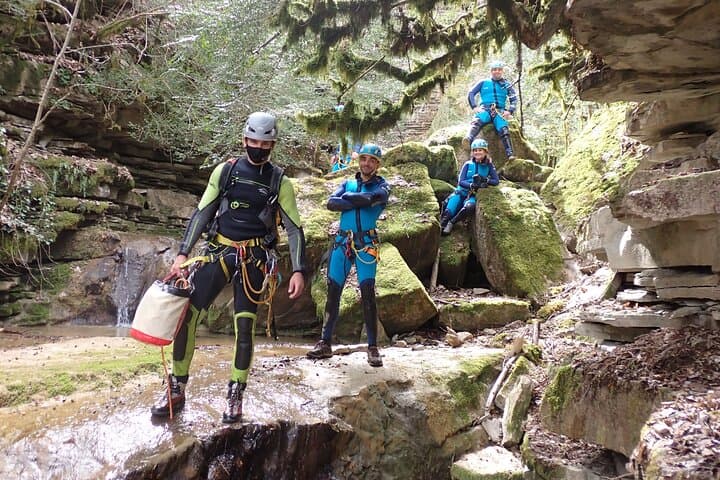
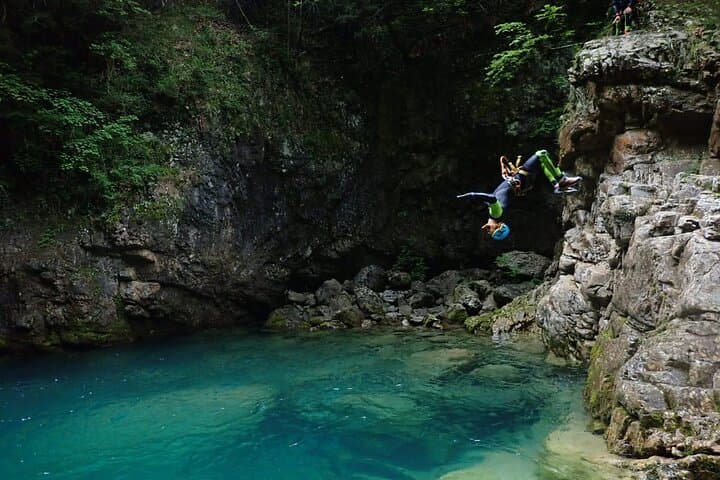
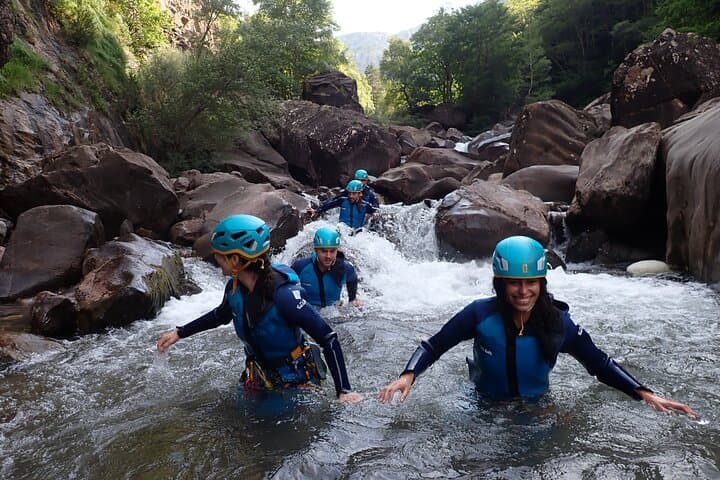
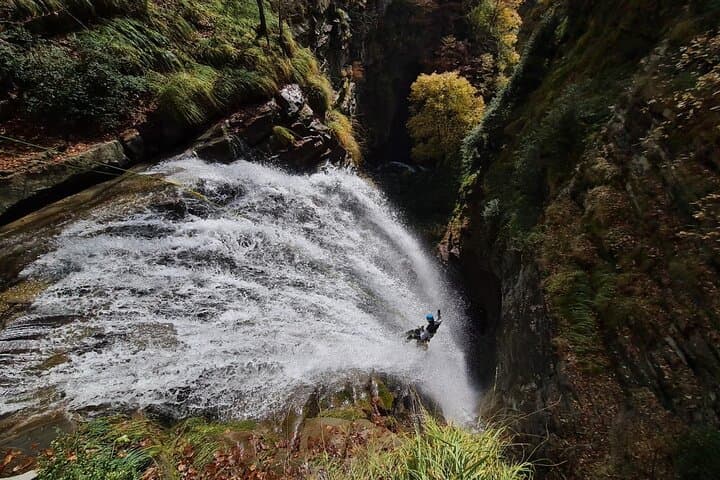
A narrow slot in limestone opens to cold light; water threads over polished rock and the guide's voice maps the line ahead. In the Pyrenees, canyoning switches between playful and precise — sliding, jumping, then committing to a rope as a waterfall frames the descent.
A narrow slot in limestone opens to cold light; water threads over polished rock and the guide's voice maps the line ahead. In the Pyrenees, canyoning switches between playful and precise — sliding, jumping, then committing to a rope as a waterfall frames the descent.
The ravines offered in the Tena and Broto valleys cut into folded Paleozoic limestones and glacial cirques carved during the last ice age. Mountain hamlets here kept a pastoral life for centuries; shepherd tracks and Romanesque bridges still mark the approach trails. Local climbing and canyoning traditions grew from practical river crossings into technical sport, and modern guides combine that local knowledge with conservation-minded practices.
Practically, the private trip runs about three hours: a 20–30 minute approach on foot, roughly 1 hour 30 of canyoning with options for jumps, slides and short rappels, and a short return to the vehicle (often within five minutes). Guides supply neoprene, helmet and harness and will teach basic rope techniques on-site. Expect cold mountain water, variable exposure to sun, and sections where route choice adjusts to group ability.
Plan to wear grippy, closed-toe water footwear, pack a dry bag for electronics, and let the guide know weight or medical restrictions when booking. Morning departures tend to offer clearer weather and calmer water levels; the operator cancels for unsafe conditions. For adventurous groups wanting controlled adrenaline without the crowds, a private canyon in Huesca’s Pyrenees delivers technical variety, scenic waterfalls and a compact, well-supervised descent that finishes close to your transport.