THE ADVENTURE COLLECTIVE® · Independent discovery and booking for outdoor travel

Spend a single, organized day exploring Canterbury Cathedral, Dover Castle and the White Cliffs—with private transport, admissions, and pick-up included. See England’s history and coastline without the logistics, and plan for windswept headlands and medieval staircases.
Spend a single, organized day exploring Canterbury Cathedral, Dover Castle and the White Cliffs—with private transport, admissions, and pick-up included. See England’s history and coastline without the logistics, and plan for windswept headlands and medieval staircases.
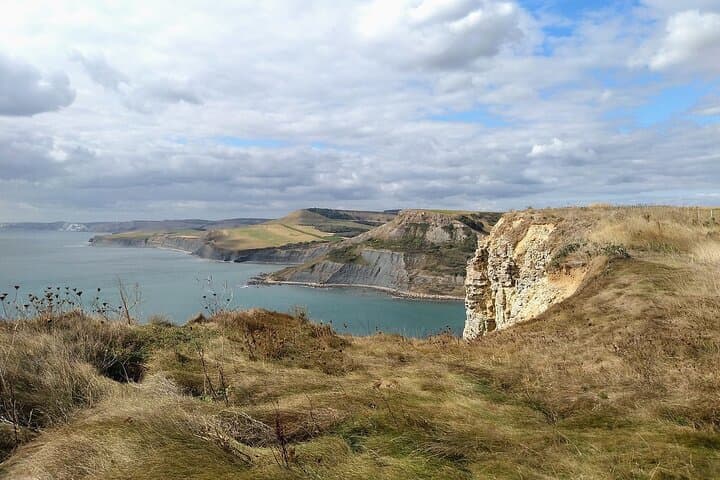
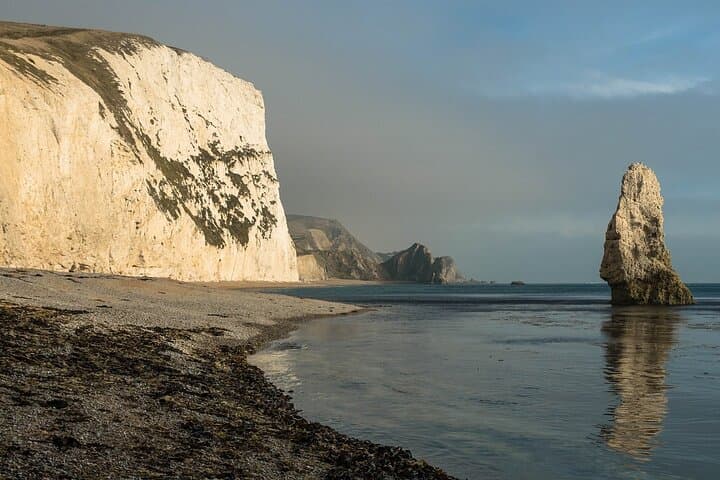
The vehicle eases out of London traffic and the Kent countryside opens like a map—rolling farmland giving way to chalk ridges and the sudden vertical white of the cliffs. On a clear day the Channel holds a pale line of France; closer in, Dover Castle squats above the port, and in Canterbury the cathedral towers over narrow medieval streets. The day feels purposive: architecture, coastline, and history arranged for easy discovery.
Verified experiences and guided adventures in the surrounding area.
Operated by Sightseeing Tours · Dover, Kent
The vehicle eases out of London traffic and the Kent countryside opens like a map—rolling farmland giving way to chalk ridges and the sudden vertical white of the cliffs. On a clear day the Channel holds a pale line of France; closer in, Dover Castle squats above the port, and in Canterbury the cathedral towers over narrow medieval streets. The day feels purposive: architecture, coastline, and history arranged for easy discovery.
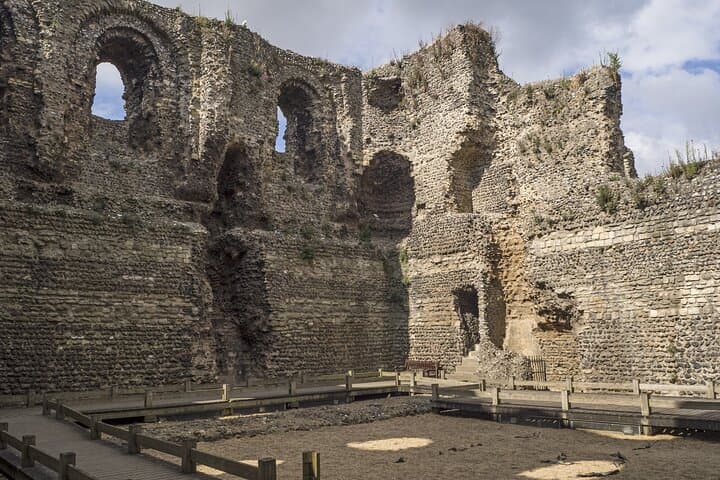
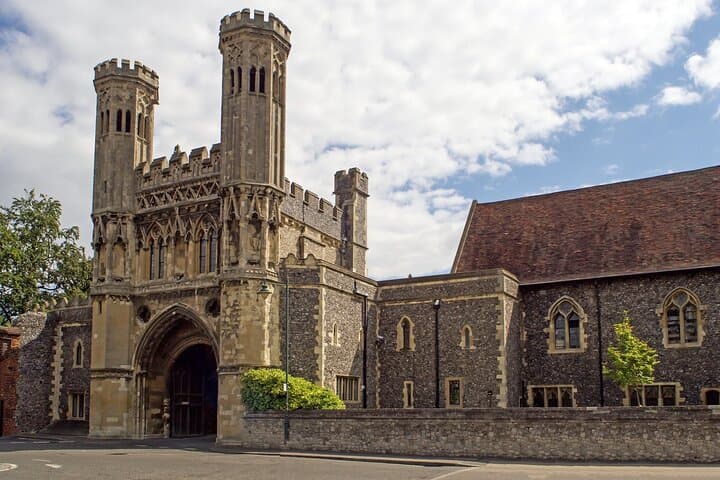
Canterbury Cathedral dates to 597 AD and has been a center of English Christianity and pilgrimage for centuries; its stonework records layers of Norman and later rebuilding. The White Cliffs are a product of chalk deposited in the Cretaceous and carved by ice-age floods and millennia of marine erosion—a coastline that shifts with tides and weather. Dover Castle, called the “Key to England,” layers Norman keep, medieval fortifications, and wartime tunnels into one defensive site overlooking Europe’s shortest sea crossing.
Expect paved and uneven surfaces inside historic sites, coastal headland paths with exposed wind, and short urban walks through Canterbury’s precincts. Bring a windproof layer for cliff-top gusts, comfortable shoes for cobbles and castle steps, and time to move at your own pace in the cathedral and castle interiors. Photographic opportunities are frequent—sunrise light on the cliffs, the castle ramparts against sky, and the cathedral’s vaulted nave.
Practical: the private tour runs about 10 hours with pick-up and drop-off, admissions included, and bottled water provided. Plan for variable weather, carry necessary ID for entry, and allow mobility time for stairs and slopes at historic buildings.
easy.
10 hours.
Suitable for most fitness levels; involves short walks, cobbled streets and stairs but no sustained hiking.
A mobile ticket is accepted, but keep your confirmation accessible on your phone; some venues accept paper or mobile tickets.
Pick-up and drop-off are provided from hotels or private addresses within the tour’s pickup area—confirm your exact pickup point when booking.
Yes—infants and small children can use strollers; baby seats are available subject to availability at no extra charge.
On clear days you can see the French shoreline across the Strait of Dover (about 21 miles); visibility depends on weather and light conditions.
Canterbury Cathedral was founded by St Augustine in 597 AD and grew through Norman and Gothic phases, while Dover Castle’s position has been militarily strategic since the 11th century.
The White Cliffs are actively managed to balance public access with erosion control—stick to signed paths to protect fragile chalk grassland and nesting sites.
Sightseeing Tours operates guided outdoor trips and adventures with an emphasis on safety, stewardship, and memorable experiences.
The vehicle eases out of London traffic and the Kent countryside opens like a map—rolling farmland giving way to chalk ridges and the sudden vertical white of the cliffs. On a clear day the Channel holds a pale line of France; closer in, Dover Castle squats above the port, and in Canterbury the cathedral towers over narrow medieval streets. The day feels purposive: architecture, coastline, and history arranged for easy discovery.
The vehicle eases out of London traffic and the Kent countryside opens like a map—rolling farmland giving way to chalk ridges and the sudden vertical white of the cliffs. On a clear day the Channel holds a pale line of France; closer in, Dover Castle squats above the port, and in Canterbury the cathedral towers over narrow medieval streets. The day feels purposive: architecture, coastline, and history arranged for easy discovery.
Canterbury Cathedral dates to 597 AD and has been a center of English Christianity and pilgrimage for centuries; its stonework records layers of Norman and later rebuilding. The White Cliffs are a product of chalk deposited in the Cretaceous and carved by ice-age floods and millennia of marine erosion—a coastline that shifts with tides and weather. Dover Castle, called the “Key to England,” layers Norman keep, medieval fortifications, and wartime tunnels into one defensive site overlooking Europe’s shortest sea crossing.
Expect paved and uneven surfaces inside historic sites, coastal headland paths with exposed wind, and short urban walks through Canterbury’s precincts. Bring a windproof layer for cliff-top gusts, comfortable shoes for cobbles and castle steps, and time to move at your own pace in the cathedral and castle interiors. Photographic opportunities are frequent—sunrise light on the cliffs, the castle ramparts against sky, and the cathedral’s vaulted nave.
Practical: the private tour runs about 10 hours with pick-up and drop-off, admissions included, and bottled water provided. Plan for variable weather, carry necessary ID for entry, and allow mobility time for stairs and slopes at historic buildings.