THE ADVENTURE COLLECTIVE® · Independent discovery and booking for outdoor travel

Ride a camel onto the Giza plateau and meet the pyramids eye-to-eye on a private 4–5 hour day trip from Cairo. This guided tour pairs panoramic photo stops with local historical insight and private A/C transfers for a focused, hassle-free experience.
Ride a camel onto the Giza plateau and meet the pyramids eye-to-eye on a private 4–5 hour day trip from Cairo. This guided tour pairs panoramic photo stops with local historical insight and private A/C transfers for a focused, hassle-free experience.
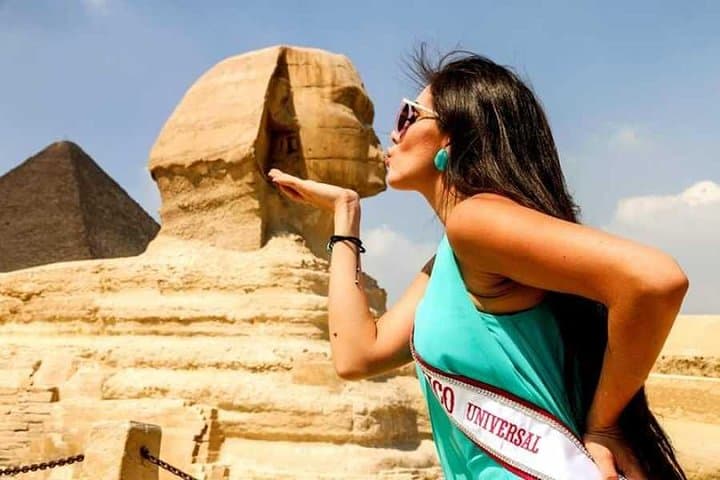
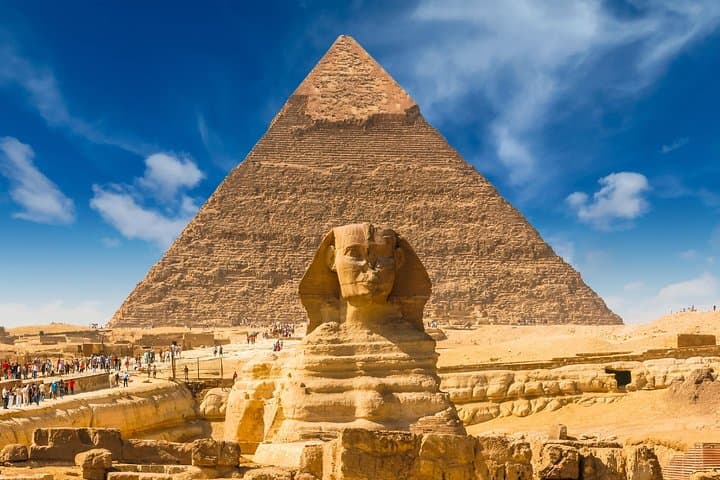
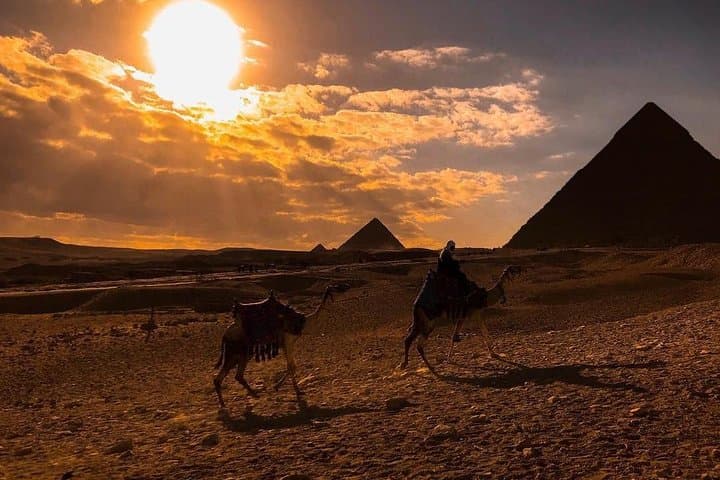
A low sun gilds the desert as you swing up onto a camel’s broad back and the pyramids resolve from heat-hazed geometry into stone giants. The animal shifts, slow and deliberate, and the sand beneath seems to hold the pace of centuries; the Sphinx stares ahead as if measuring your arrival. This is not a rushed visit but a measured crossing of an ancient landscape.
Verified experiences and guided adventures in the surrounding area.
Operated by Camel Ride at Giza Pyramids · Giza, Giza Governorate
A low sun gilds the desert as you swing up onto a camel’s broad back and the pyramids resolve from heat-hazed geometry into stone giants. The animal shifts, slow and deliberate, and the sand beneath seems to hold the pace of centuries; the Sphinx stares ahead as if measuring your arrival. This is not a rushed visit but a measured crossing of an ancient landscape.
The Giza plateau dates to the Fourth Dynasty—Khufu, Khafre and Menkaure—and the stones you pass are largely limestone quarried nearby and set with precision that still challenges modern engineers. The Sphinx’s face, carved from the bedrock, links funerary architecture to ritual landscape. Nearby, the buried valley temples and traces of worker villages explain the human labor behind the monuments more clearly than legend.
Cultural rhythms remain vivid: camel handlers, tour guides, and local vendors form a living layer around the archaeological zone. Expect panoramic viewpoints, close-up photography from permitted areas, and a thirty-minute camel ride included in most private itineraries. The tour runs about 4–5 hours with private A/C transfer from Cairo or Giza; plan for midday heat and dust.
Practical guidance: dress in breathable layers, wear closed-toe shoes, and carry sun protection and a refillable water bottle (bottled water is commonly provided). Follow your guide’s instructions around restricted zones—climbing is prohibited—and budget time for the on-site ticketing that covers basic area access. Note health restrictions: not recommended for pregnant travelers or those with serious back or heart problems. With sensible preparation, a camel-backed approach gives a physical sense of scale and time that lifts the pyramids off postcards and into the present.
moderate.
4–5 hours.
Suitable for average fitness—must mount and dismount a camel and walk short uneven distances
Most private tours include a 30-minute camel ride with guided routes that provide panoramic views of the pyramids.
Basic area entry fees are typically included, though entry to some internal chambers or optional sites may require extra tickets.
Yes—physically it’s considered easy to moderate, but mounting camels may be difficult for some; inform the operator of mobility concerns during booking.
Tipping local guides and camel handlers is customary; photography is allowed in most outdoor areas but follow restrictions and staff guidance around sensitive sites.
The Giza complex was built in the Fourth Dynasty (c. 2600–2500 BCE); the pyramids served as royal tombs integrated with causeways and valley temples.
Visitors should stick to marked paths and avoid littering; local authorities enforce no-climb rules to protect ancient masonry and archaeological layers.
Camel Ride at Giza Pyramids operates guided outdoor trips and adventures with an emphasis on safety, stewardship, and memorable experiences.
A low sun gilds the desert as you swing up onto a camel’s broad back and the pyramids resolve from heat-hazed geometry into stone giants. The animal shifts, slow and deliberate, and the sand beneath seems to hold the pace of centuries; the Sphinx stares ahead as if measuring your arrival. This is not a rushed visit but a measured crossing of an ancient landscape.
A low sun gilds the desert as you swing up onto a camel’s broad back and the pyramids resolve from heat-hazed geometry into stone giants. The animal shifts, slow and deliberate, and the sand beneath seems to hold the pace of centuries; the Sphinx stares ahead as if measuring your arrival. This is not a rushed visit but a measured crossing of an ancient landscape.
The Giza plateau dates to the Fourth Dynasty—Khufu, Khafre and Menkaure—and the stones you pass are largely limestone quarried nearby and set with precision that still challenges modern engineers. The Sphinx’s face, carved from the bedrock, links funerary architecture to ritual landscape. Nearby, the buried valley temples and traces of worker villages explain the human labor behind the monuments more clearly than legend.
Cultural rhythms remain vivid: camel handlers, tour guides, and local vendors form a living layer around the archaeological zone. Expect panoramic viewpoints, close-up photography from permitted areas, and a thirty-minute camel ride included in most private itineraries. The tour runs about 4–5 hours with private A/C transfer from Cairo or Giza; plan for midday heat and dust.
Practical guidance: dress in breathable layers, wear closed-toe shoes, and carry sun protection and a refillable water bottle (bottled water is commonly provided). Follow your guide’s instructions around restricted zones—climbing is prohibited—and budget time for the on-site ticketing that covers basic area access. Note health restrictions: not recommended for pregnant travelers or those with serious back or heart problems. With sensible preparation, a camel-backed approach gives a physical sense of scale and time that lifts the pyramids off postcards and into the present.