THE ADVENTURE COLLECTIVE® · Independent discovery and booking for outdoor travel

Combine a gentle camel ride through the Marrakech Palmeraie with a serene hour in the cobalt-walled Majorelle Garden. This private half-day tour pairs outdoor rhythm with botanical calm—ideal for travelers seeking an accessible, scenic introduction to Marrakech’s diverse landscapes.
Combine a gentle camel ride through the Marrakech Palmeraie with a serene hour in the cobalt-walled Majorelle Garden. This private half-day tour pairs outdoor rhythm with botanical calm—ideal for travelers seeking an accessible, scenic introduction to Marrakech’s diverse landscapes.
You meet your guide at dawn just outside Marrakech, the palms throwing long shadows and the camels standing patient against a low sky. The first hour is measured in a slow, rocking tempo—camel backs rise and fall as the Palmeraie unfurls: clustered palms, sun-baked sand, and the occasional irrigation channel that keeps this desert edge alive.
Verified experiences and guided adventures in the surrounding area.
Operated by Time Out travel · Marrakech, Marrakech-Safi
You meet your guide at dawn just outside Marrakech, the palms throwing long shadows and the camels standing patient against a low sky. The first hour is measured in a slow, rocking tempo—camel backs rise and fall as the Palmeraie unfurls: clustered palms, sun-baked sand, and the occasional irrigation channel that keeps this desert edge alive.
The tour pivots mid-day to another mood: cobalt blue gates and dense botanical shade at the Majorelle Garden. Designed by Jacques Majorelle in the 1920s and later restored by Yves Saint Laurent, the garden is an intentional contrast to the surrounding ochre city—carefully curated plantings from Madagascar and the Americas sit alongside water basins that cool the air.
Historically the Palmeraie supported oasis agriculture and provided a refuge from the city heat; today it’s where camel handlers maintain a living tradition of nomadic horsemanship and tourism. Geologically, you’re at the foothills of the High Atlas drainage basin—sandy soils and irrigated pockets shape what grows here. Culturally, the pairing of a traditional camel experience with a European-designed garden highlights Marrakech’s layered identity.
Practical guidance: the camel leg is gentle but requires steady footing getting on and off; wear closed shoes and sun protection. Allow an hour for the garden to move slowly through shaded paths and mosaic details; mid-morning or late afternoon visits are cooler and less crowded. Bring water, a camera, and small local currency for tips. The tour includes hotel pickup, an hour-long camel ride, a full hour in Majorelle, and return transfer—an accessible half-day that mixes outdoor rhythm with cultivated calm.
easy.
4 hours.
Suitable for most travelers in light to moderate condition; no special fitness required beyond the ability to mount a camel.
The camel ride lasts about one hour over relatively flat, sandy terrain in the Palmeraie.
Yes; the tour includes privileged access with time to explore the garden for approximately one hour.
Yes; it’s rated easy, though mounting a camel requires basic mobility—handlers assist when needed. Not recommended for pregnant travelers or those with serious heart conditions.
Yes; the tour includes hotel or riad pickup and return in an air-conditioned vehicle.
The Majorelle Garden was created by French painter Jacques Majorelle in the 1920s and was later restored and preserved by Yves Saint Laurent and Pierre Bergé as a cultural landmark.
Water-wise planting and careful irrigation are used to maintain the gardens in an arid region; support local guides who follow humane practices for camel care.
Time Out travel operates guided outdoor trips and adventures with an emphasis on safety, stewardship, and memorable experiences.
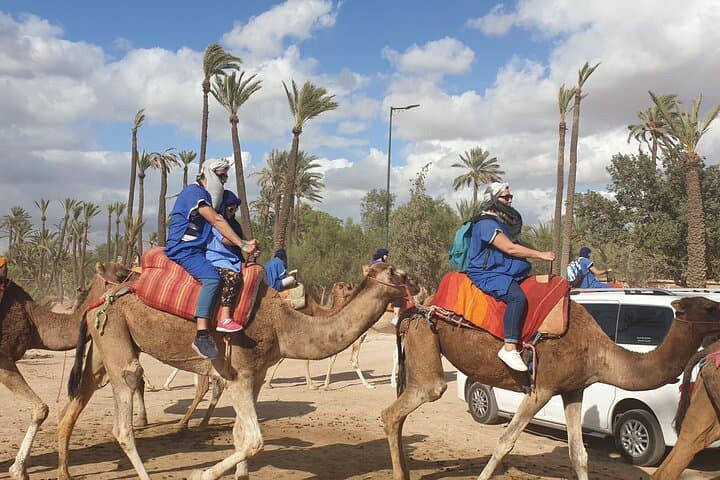
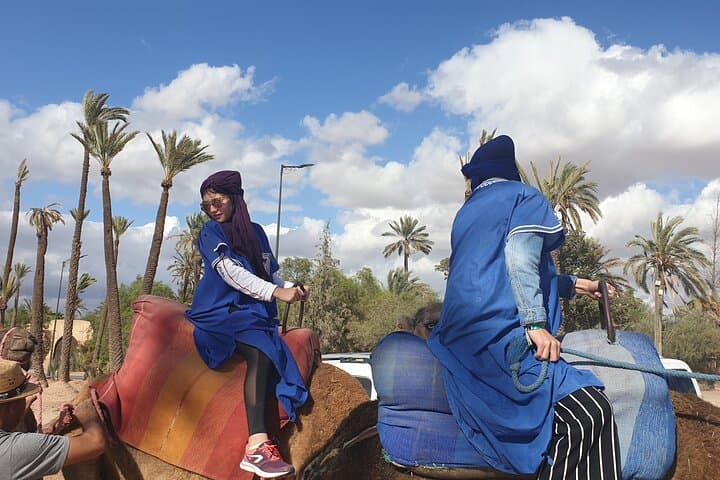
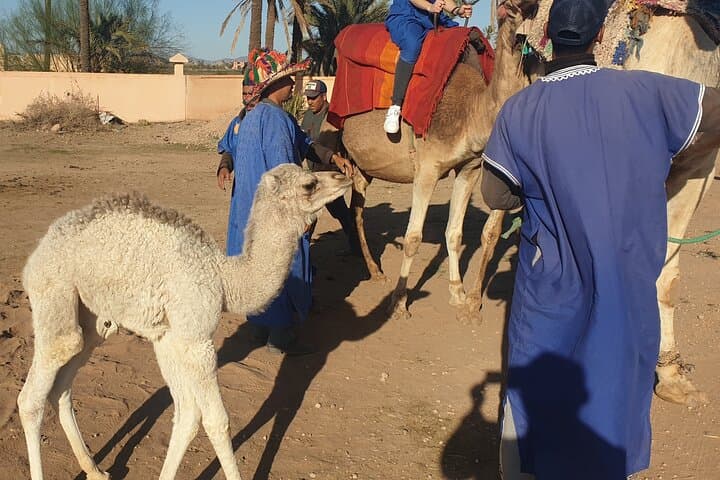
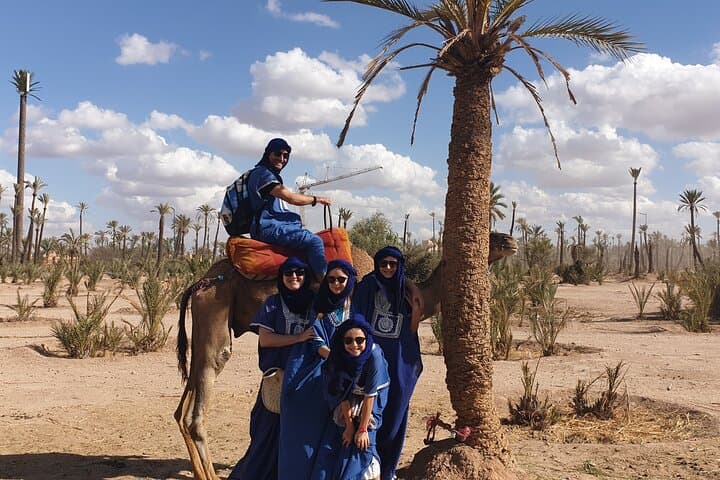
You meet your guide at dawn just outside Marrakech, the palms throwing long shadows and the camels standing patient against a low sky. The first hour is measured in a slow, rocking tempo—camel backs rise and fall as the Palmeraie unfurls: clustered palms, sun-baked sand, and the occasional irrigation channel that keeps this desert edge alive.
You meet your guide at dawn just outside Marrakech, the palms throwing long shadows and the camels standing patient against a low sky. The first hour is measured in a slow, rocking tempo—camel backs rise and fall as the Palmeraie unfurls: clustered palms, sun-baked sand, and the occasional irrigation channel that keeps this desert edge alive.
The tour pivots mid-day to another mood: cobalt blue gates and dense botanical shade at the Majorelle Garden. Designed by Jacques Majorelle in the 1920s and later restored by Yves Saint Laurent, the garden is an intentional contrast to the surrounding ochre city—carefully curated plantings from Madagascar and the Americas sit alongside water basins that cool the air.
Historically the Palmeraie supported oasis agriculture and provided a refuge from the city heat; today it’s where camel handlers maintain a living tradition of nomadic horsemanship and tourism. Geologically, you’re at the foothills of the High Atlas drainage basin—sandy soils and irrigated pockets shape what grows here. Culturally, the pairing of a traditional camel experience with a European-designed garden highlights Marrakech’s layered identity.
Practical guidance: the camel leg is gentle but requires steady footing getting on and off; wear closed shoes and sun protection. Allow an hour for the garden to move slowly through shaded paths and mosaic details; mid-morning or late afternoon visits are cooler and less crowded. Bring water, a camera, and small local currency for tips. The tour includes hotel pickup, an hour-long camel ride, a full hour in Majorelle, and return transfer—an accessible half-day that mixes outdoor rhythm with cultivated calm.