THE ADVENTURE COLLECTIVE® · Independent discovery and booking for outdoor travel

Ride a camel across the Giza plateau and approach the Great Pyramid and Sphinx with a private guide. This half-day tour combines historical context, short walks on sandy limestone, and a 30-minute camel ride for a direct encounter with Egypt’s oldest monuments.
Ride a camel across the Giza plateau and approach the Great Pyramid and Sphinx with a private guide. This half-day tour combines historical context, short walks on sandy limestone, and a 30-minute camel ride for a direct encounter with Egypt’s oldest monuments.
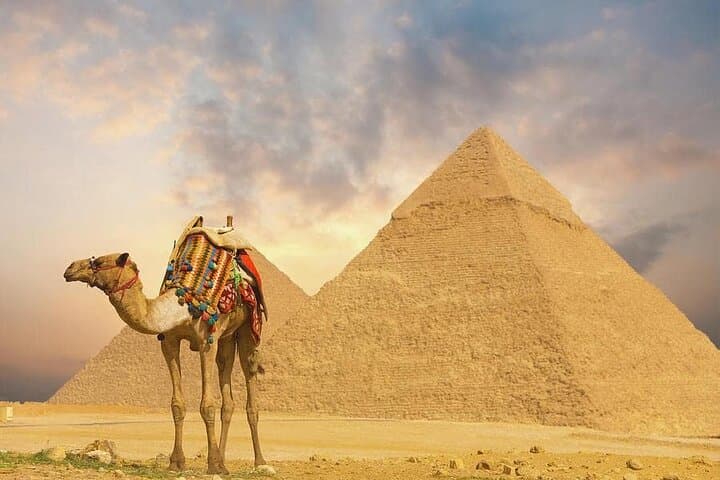
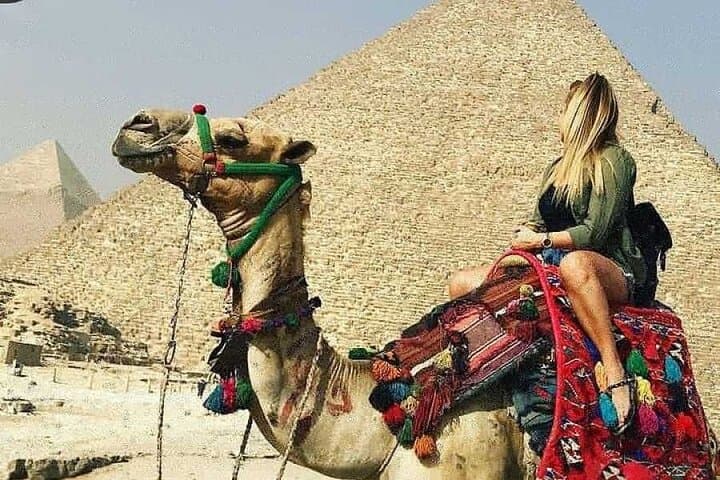
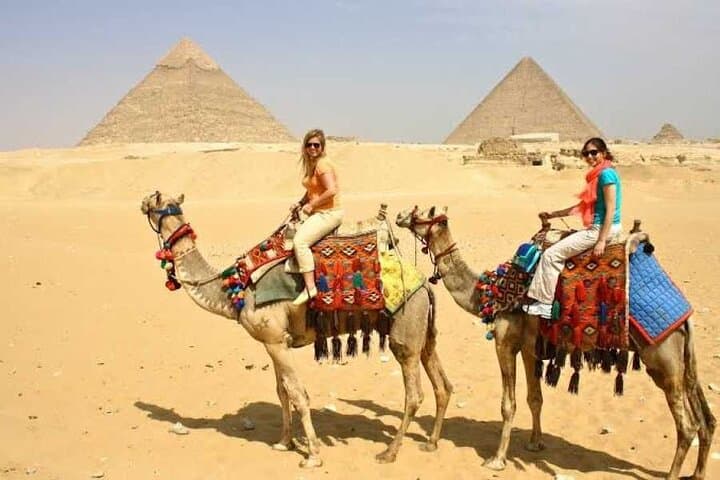
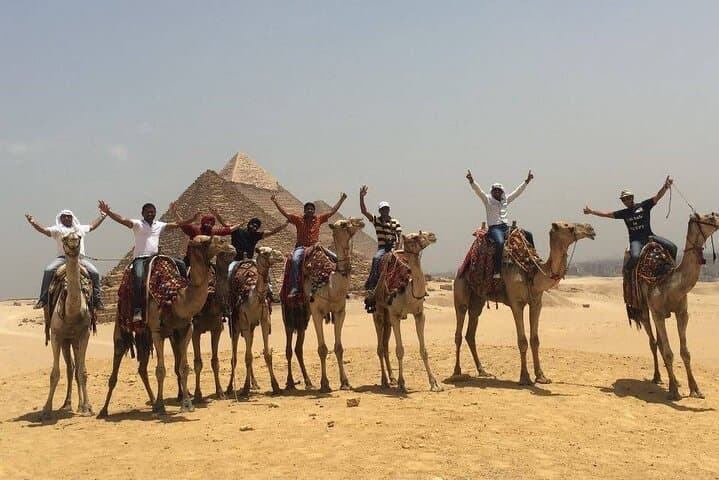
Early light cuts across the edge of the desert and the three great pyramids sit like blunt teeth against the sky. A private A/C vehicle drops you at the plateau, and the air smells of dry stone and warm sand. The cameleer leads a patient camel as the group moves between the giants: Khufu, Khafre, and Menkaure. From the camel’s gentle rise and fall, the scale of these monuments becomes immediate — you feel the human effort that hauled stone across a landscape that still holds the heat of millennia.
Verified experiences and guided adventures in the surrounding area.
Operated by Egyptian Daily Tours · Giza, Giza
Early light cuts across the edge of the desert and the three great pyramids sit like blunt teeth against the sky. A private A/C vehicle drops you at the plateau, and the air smells of dry stone and warm sand. The cameleer leads a patient camel as the group moves between the giants: Khufu, Khafre, and Menkaure. From the camel’s gentle rise and fall, the scale of these monuments becomes immediate — you feel the human effort that hauled stone across a landscape that still holds the heat of millennia.
The Giza complex dates to Egypt’s Fourth Dynasty around 2580–2560 BCE; the Great Pyramid was once plastered smooth, its casing removed over generations. The Sphinx, carved from a limestone ridge, keeps watch with weathered dignity. Geologically, the plateau is bedrock of Eocene limestone; erosion and human activity formed the curious textures visitors see today. Culturally, the site sits adjacent to modern Giza and the living neighborhoods that grew up around tombstone quarries.
Practical guidance: plan for a half-day window — this tour runs about four hours including hotel pickup. Expect short walks on uneven, sandy stone and a guided 30-minute camel ride with a handler alongside. Wear closed-toe shoes, sun protection, and bring a bottle of water (one is provided). Photography is excellent in the hour after sunrise or late afternoon; mid-day light is harsh and temperatures peak. Respect barriers and follow your guide’s directions for safe access; climbing the pyramids is prohibited. Note health restrictions for those with back, heart, or pregnancy concerns and consider traffic time from Cairo when scheduling.
easy.
4 hours.
Suitable for most fitness levels; requires short walks on uneven sand and stone and the ability to mount a camel with assistance.
This tour includes standard entry fees; access inside the Great Pyramid is subject to separate permits and may not be included.
The camel ride is approximately 30 minutes and is accompanied by a cameleer who stays close for safety.
Yes — photography is allowed in most outdoor areas; follow your guide’s directions about restricted zones and tripods.
Not recommended for pregnant travelers or those with serious back or heart conditions due to mounting camels and uneven terrain.
Giza’s pyramids were built during Egypt’s Old Kingdom under pharaohs Khufu, Khafre, and Menkaure; the Sphinx likely dates to Khafre’s reign and served a ceremonial role linked to funerary temples.
Visitor pressure and urban expansion threaten the plateau’s context; stick to paths, avoid litter, and support guides who work with local conservation authorities.
Egyptian Daily Tours operates guided outdoor trips and adventures with an emphasis on safety, stewardship, and memorable experiences.
Early light cuts across the edge of the desert and the three great pyramids sit like blunt teeth against the sky. A private A/C vehicle drops you at the plateau, and the air smells of dry stone and warm sand. The cameleer leads a patient camel as the group moves between the giants: Khufu, Khafre, and Menkaure. From the camel’s gentle rise and fall, the scale of these monuments becomes immediate — you feel the human effort that hauled stone across a landscape that still holds the heat of millennia.
Early light cuts across the edge of the desert and the three great pyramids sit like blunt teeth against the sky. A private A/C vehicle drops you at the plateau, and the air smells of dry stone and warm sand. The cameleer leads a patient camel as the group moves between the giants: Khufu, Khafre, and Menkaure. From the camel’s gentle rise and fall, the scale of these monuments becomes immediate — you feel the human effort that hauled stone across a landscape that still holds the heat of millennia.
The Giza complex dates to Egypt’s Fourth Dynasty around 2580–2560 BCE; the Great Pyramid was once plastered smooth, its casing removed over generations. The Sphinx, carved from a limestone ridge, keeps watch with weathered dignity. Geologically, the plateau is bedrock of Eocene limestone; erosion and human activity formed the curious textures visitors see today. Culturally, the site sits adjacent to modern Giza and the living neighborhoods that grew up around tombstone quarries.
Practical guidance: plan for a half-day window — this tour runs about four hours including hotel pickup. Expect short walks on uneven, sandy stone and a guided 30-minute camel ride with a handler alongside. Wear closed-toe shoes, sun protection, and bring a bottle of water (one is provided). Photography is excellent in the hour after sunrise or late afternoon; mid-day light is harsh and temperatures peak. Respect barriers and follow your guide’s directions for safe access; climbing the pyramids is prohibited. Note health restrictions for those with back, heart, or pregnancy concerns and consider traffic time from Cairo when scheduling.