THE ADVENTURE COLLECTIVE® · Independent discovery and booking for outdoor travel

A private full-day circuit of Cairo’s classical highlights: the Giza pyramids and Sphinx, the Egyptian Museum’s treasures, and the labyrinthine Khan el-Khalili bazaar. Expect guided context, an included camel ride, lunch and private transport for a compact, intensive cultural day.
A private full-day circuit of Cairo’s classical highlights: the Giza pyramids and Sphinx, the Egyptian Museum’s treasures, and the labyrinthine Khan el-Khalili bazaar. Expect guided context, an included camel ride, lunch and private transport for a compact, intensive cultural day.
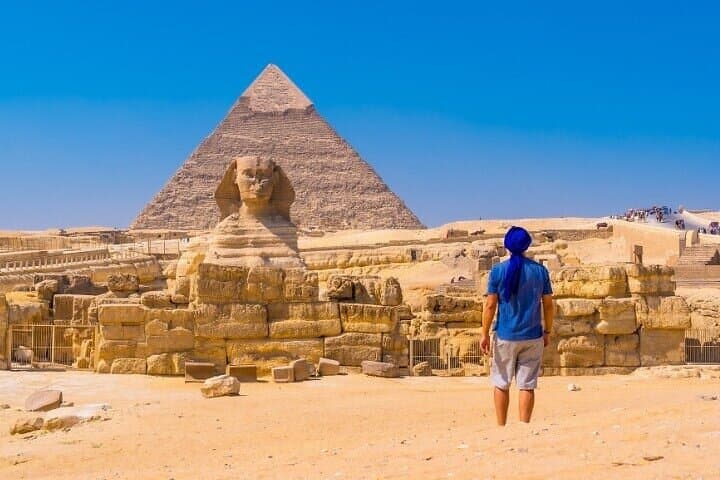
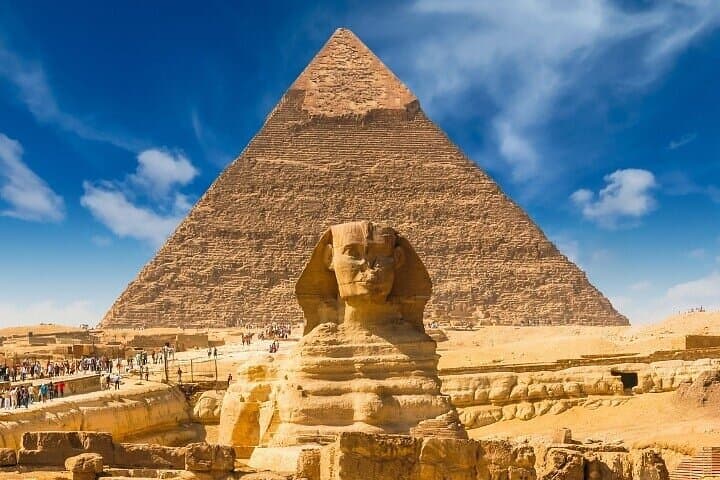
A morning sun strips light across the Giza Plateau as the Great Pyramid throws a long, precise shadow. On a private full-day tour through Cairo, visitors move between time periods: from limestone blocks older than writing to centuries of market voices in Khan el-Khalili.
Verified experiences and guided adventures in the surrounding area.
Operated by Discovery Tours · Cairo, Cairo Governorate
A morning sun strips light across the Giza Plateau as the Great Pyramid throws a long, precise shadow. On a private full-day tour through Cairo, visitors move between time periods: from limestone blocks older than writing to centuries of market voices in Khan el-Khalili.
The Pyramids of Giza—Khufu, Khafre and Menkaure—stand on bedrock laid down 30 million years ago, their quarried limestone and granite telling of ancient engineering and Nile-driven logistics. The nearby Egyptian Museum in Tahrir houses millennia of artifacts, including Tutankhamun’s funerary treasures, offering context to the monuments’ people and rituals. Khan el-Khalili, founded as a bazaar in the 14th century, remains a living marketplace where metalworkers, perfumers and spice traders practice crafts passed down through generations.
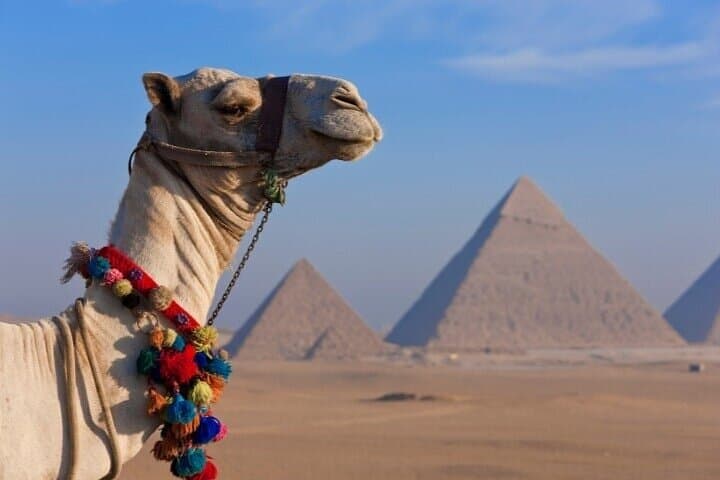
Expect an itinerary that balances site time with practicalities: an air-conditioned private vehicle, entrance fees covered, a 20-minute camel ride around the plateau, and lunch at a local restaurant. Walk surfaces vary from paved museum halls to uneven sand and stone at the pyramids; plan for several short walks and standing periods.
Practical guidance: start early to avoid midday heat, carry sun protection and comfortable shoes, and keep small bills for tips and small purchases. Respect signage—climbing monuments is illegal—and leave large tripods or obstructive gear at your hotel. With moderate fitness and sensible pacing, the day is both manageable and richly rewarding—an urban archaeological trek that moves at the steady rhythm of Cairo itself.
moderate.
7–8 hours.
Moderate—be prepared for several hours of walking and standing with short sandy or uneven stretches.
Yes—entrance fees for listed sites on the itinerary, including the Egyptian Museum and Giza Plateau, are included.
Private transportation is provided with pickup—confirm your exact pickup point at booking, as timing varies with traffic.
Yes—a 20-minute camel ride around the Giza Plateau is included as noted in the inclusions.
The tour notes indicate stroller access and infant seats are available, but expect uneven ground at archaeological sites where assistance may be needed.
The Giza pyramids date to Egypt’s Fourth Dynasty (c. 2600–2500 BCE); Khan el-Khalili developed into a major marketplace by the 14th century and remains a center of traditional crafts.
Tourists should avoid climbing or touching fragile structures, use bottled or reusable water responsibly, and support licensed guides and local artisans to ensure tourism benefits preservation efforts.
Discovery Tours operates guided outdoor trips and adventures with an emphasis on safety, stewardship, and memorable experiences.

A morning sun strips light across the Giza Plateau as the Great Pyramid throws a long, precise shadow. On a private full-day tour through Cairo, visitors move between time periods: from limestone blocks older than writing to centuries of market voices in Khan el-Khalili.
A morning sun strips light across the Giza Plateau as the Great Pyramid throws a long, precise shadow. On a private full-day tour through Cairo, visitors move between time periods: from limestone blocks older than writing to centuries of market voices in Khan el-Khalili.
The Pyramids of Giza—Khufu, Khafre and Menkaure—stand on bedrock laid down 30 million years ago, their quarried limestone and granite telling of ancient engineering and Nile-driven logistics. The nearby Egyptian Museum in Tahrir houses millennia of artifacts, including Tutankhamun’s funerary treasures, offering context to the monuments’ people and rituals. Khan el-Khalili, founded as a bazaar in the 14th century, remains a living marketplace where metalworkers, perfumers and spice traders practice crafts passed down through generations.
Expect an itinerary that balances site time with practicalities: an air-conditioned private vehicle, entrance fees covered, a 20-minute camel ride around the plateau, and lunch at a local restaurant. Walk surfaces vary from paved museum halls to uneven sand and stone at the pyramids; plan for several short walks and standing periods.
Practical guidance: start early to avoid midday heat, carry sun protection and comfortable shoes, and keep small bills for tips and small purchases. Respect signage—climbing monuments is illegal—and leave large tripods or obstructive gear at your hotel. With moderate fitness and sensible pacing, the day is both manageable and richly rewarding—an urban archaeological trek that moves at the steady rhythm of Cairo itself.