THE ADVENTURE COLLECTIVE® · Independent discovery and booking for outdoor travel

Explore the Giza Plateau and the Grand Egyptian Museum with a private Egyptologist guide—connect engineering, ritual, and artifacts on a 4–6 hour, customizable day trip from Cairo.
Explore the Giza Plateau and the Grand Egyptian Museum with a private Egyptologist guide—connect engineering, ritual, and artifacts on a 4–6 hour, customizable day trip from Cairo.
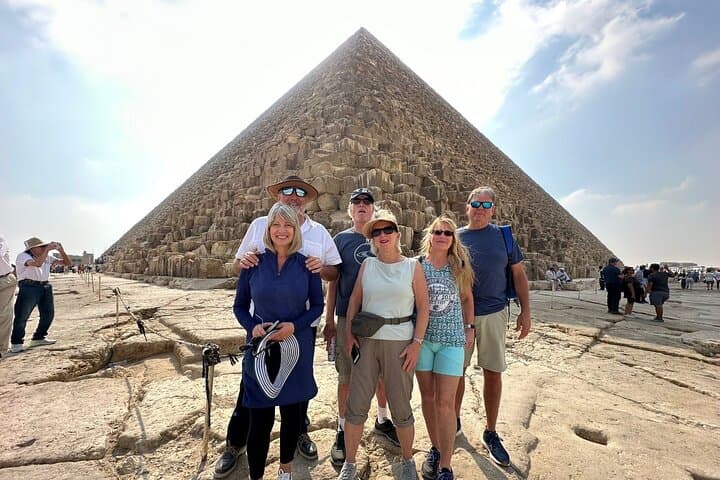
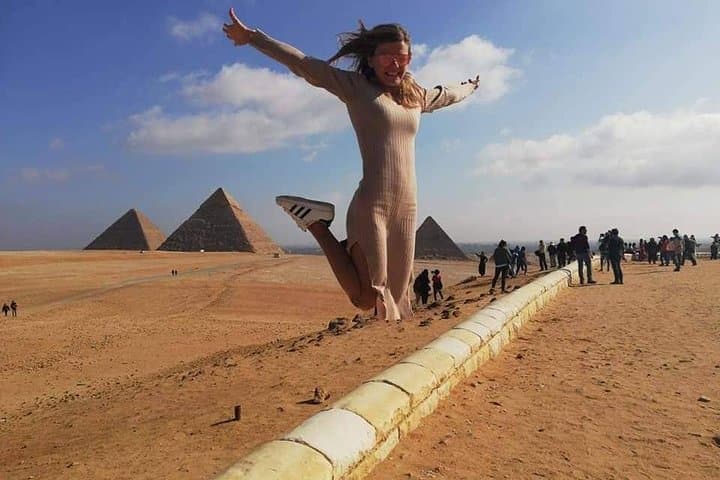
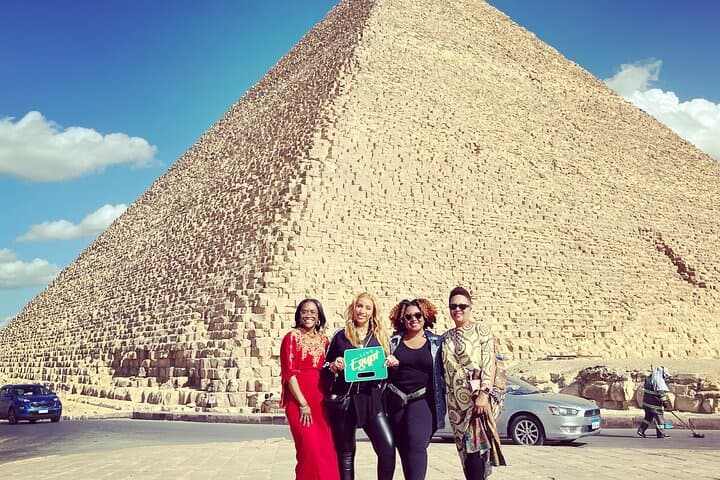
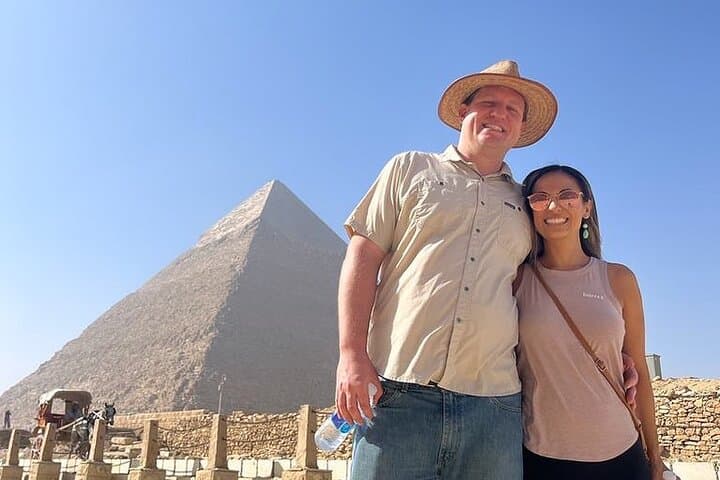
The morning light on the Giza Plateau strips the desert to sharp contrasts: sand catching on limestone steps, the Sphinx’s profile throwing a long shadow, and the Great Pyramid looming like a slow-moving tide of stone daring you to circle it.
Verified experiences and guided adventures in the surrounding area.
Operated by Live Egypt · Giza, Cairo Governorate
The morning light on the Giza Plateau strips the desert to sharp contrasts: sand catching on limestone steps, the Sphinx’s profile throwing a long shadow, and the Great Pyramid looming like a slow-moving tide of stone daring you to circle it.
This private tour threads those first impressions into context. You’ll stand where builders of the Fourth Dynasty aligned monuments to stars and the Nile; the guide explains construction theories alongside the ancients’ own cosmology, turning engineering into ritual. Geologically, the plateau’s Tura limestone and bedrock quarries tell the practical side of the story—the raw material and the scars where blocks were cut.
At the Grand Egyptian Museum (GEM) the narrative shifts from stone to objects: Tutankhamun’s gold, the colossal statue of Ramesses II, and conservation labs that reveal how modern Egypt preserves its past. The cultural beat of the day is human scale—craft traditions, local guide knowledge, and the ongoing work of museums to reconcile tourism with stewardship.
Practical guidance: this is a long half- to full-day outing (expect 4–6 hours of guided time and walking). Wear sturdy shoes for uneven limestone, bring sun protection and a refillable water bottle, and plan for crowds at prime daylight hours—early morning or late afternoon light is best for photos and cooler temps. If you choose the skip-the-line option, verify what admissions are covered. Hotel pickup and bottled water are typically included, and a private guide keeps the pace adjustable to your group. Respect signage at excavation areas and follow your guide’s route to minimize impact.
moderate.
4–6 hours.
Able to walk and stand for several hours on uneven ground; minimal stair climbing possible.
Some packages include entry if you select the skip‑the‑line option; otherwise admissions are often separate—confirm at booking.
Yes—transfers from Cairo hotels (round trip) are typically included in this private tour.
The tour notes wheelchair accessibility, though some outdoor uneven areas on the Giza Plateau may be challenging—check specifics with the operator.
Interior access is controlled by Egyptian authorities and may require separate tickets or be limited; your guide can advise current availability and alternatives.
The Great Pyramid of Khufu dates to around 2560 BCE and was built as a monumental tomb; the GEM consolidates collections once held in Tahrir into a modern conservation campus.
Visitor pressure and erosion are real concerns—stick to marked routes, avoid touching ruins, and support licensed guides and museum conservation efforts.
Live Egypt operates guided outdoor trips and adventures with an emphasis on safety, stewardship, and memorable experiences.
The morning light on the Giza Plateau strips the desert to sharp contrasts: sand catching on limestone steps, the Sphinx’s profile throwing a long shadow, and the Great Pyramid looming like a slow-moving tide of stone daring you to circle it.
The morning light on the Giza Plateau strips the desert to sharp contrasts: sand catching on limestone steps, the Sphinx’s profile throwing a long shadow, and the Great Pyramid looming like a slow-moving tide of stone daring you to circle it.
This private tour threads those first impressions into context. You’ll stand where builders of the Fourth Dynasty aligned monuments to stars and the Nile; the guide explains construction theories alongside the ancients’ own cosmology, turning engineering into ritual. Geologically, the plateau’s Tura limestone and bedrock quarries tell the practical side of the story—the raw material and the scars where blocks were cut.
At the Grand Egyptian Museum (GEM) the narrative shifts from stone to objects: Tutankhamun’s gold, the colossal statue of Ramesses II, and conservation labs that reveal how modern Egypt preserves its past. The cultural beat of the day is human scale—craft traditions, local guide knowledge, and the ongoing work of museums to reconcile tourism with stewardship.
Practical guidance: this is a long half- to full-day outing (expect 4–6 hours of guided time and walking). Wear sturdy shoes for uneven limestone, bring sun protection and a refillable water bottle, and plan for crowds at prime daylight hours—early morning or late afternoon light is best for photos and cooler temps. If you choose the skip-the-line option, verify what admissions are covered. Hotel pickup and bottled water are typically included, and a private guide keeps the pace adjustable to your group. Respect signage at excavation areas and follow your guide’s route to minimize impact.