THE ADVENTURE COLLECTIVE® · Independent discovery and booking for outdoor travel

Spend an afternoon in Old Cairo learning basic wheel-throwing and hand-building techniques with a local artisan. This private, 3-hour beginner workshop includes hotel pickup and return, bottled water, and a guided introduction to Egypt’s long pottery tradition.
Spend an afternoon in Old Cairo learning basic wheel-throwing and hand-building techniques with a local artisan. This private, 3-hour beginner workshop includes hotel pickup and return, bottled water, and a guided introduction to Egypt’s long pottery tradition.
You step from the air-conditioned van into a sun-warmed lane of Old Cairo, where narrow streets fold between stone walls and the scent of clay seems plausible in the air. A local potter welcomes you into a compact studio where tools hang like simple instruments and a turned wheel waits; the next three hours are about shaping, steadying, and turning clay beneath your palms.
Verified experiences and guided adventures in the surrounding area.
Operated by Camel Ride at Giza Pyramids · Cairo, Cairo Governorate
You step from the air-conditioned van into a sun-warmed lane of Old Cairo, where narrow streets fold between stone walls and the scent of clay seems plausible in the air. A local potter welcomes you into a compact studio where tools hang like simple instruments and a turned wheel waits; the next three hours are about shaping, steadying, and turning clay beneath your palms.
Pottery in Egypt reaches back to the Predynastic and Pharaonic eras, when Nile alluvium and local clays were formed into vessels for daily life and ritual. Old Cairo itself sits on layers of history — Roman Babylon Fortress, early Christian churches, and medieval Islamic markets — and the workshop sits within that palimpsest of craft and commerce. Geologically, the Nile’s silt and nearby alluvial deposits have supplied workable clays for millennia; culturally, craft traditions survive in family studios and small cooperatives around Cairo.
Expect a hands-on beginner session focused on basic wheel work and hand-building, instruction from a local artisan, bottled water, and hotel pickup and return by private A/C vehicle. Pieces usually need kiln-firing after drying; ask the guide about collection or shipping options.
Practical tips: wear clothes you can rinse or an apron, bring a small towel, and plan to be seated and attentive for most of the workshop. The pace is deliberate—concentration, rhythm, and repetition—and it’s a tactile way to connect with Egypt’s long material history without leaving the city.
easy.
3–4 hours.
Minimal fitness required; expect to sit and use fine motor coordination for several hours
No — the workshop is geared toward beginners and the instructor provides step-by-step guidance on basic wheel and hand-building techniques.
Most items need kiln-firing and cannot be taken immediately; ask the guide about collection timelines or shipping arrangements before the session.
Yes — private hotel pickup and drop-off by A/C vehicle are included in the tour price within central Cairo hotels.
Children can participate with supervision, but check with the operator in advance for seating, safety, and available infant seats if needed.
Pottery in Egypt dates to the Predynastic and Pharaonic periods; vessels made from Nile alluvium served daily and ceremonial uses. Old Cairo overlays Roman, Coptic, and Islamic urban layers that nurtured craft trades.
Support studios that use locally sourced clays and traditional kilns; avoid buying suspected antiquities and favor small artisans to help sustain living craft traditions.
Camel Ride at Giza Pyramids operates guided outdoor trips and adventures with an emphasis on safety, stewardship, and memorable experiences.
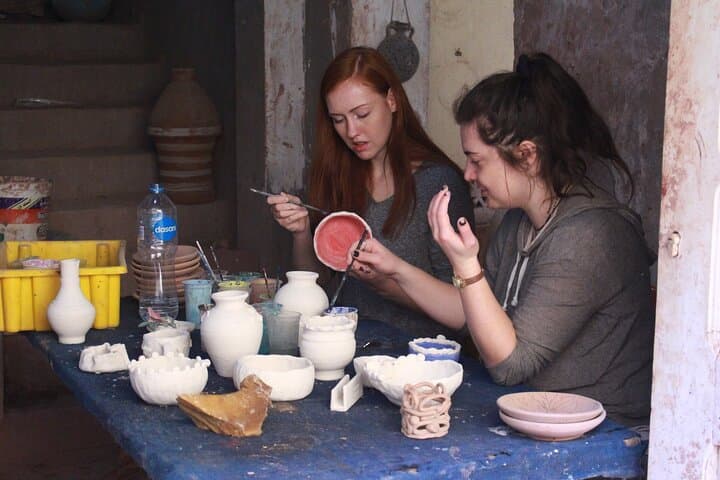
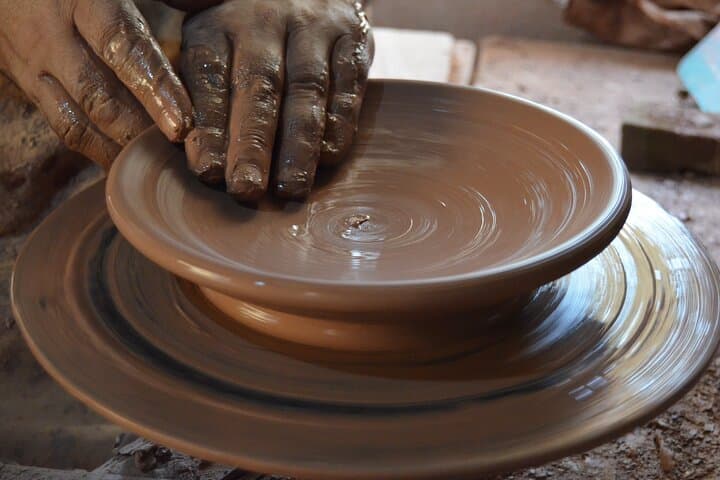
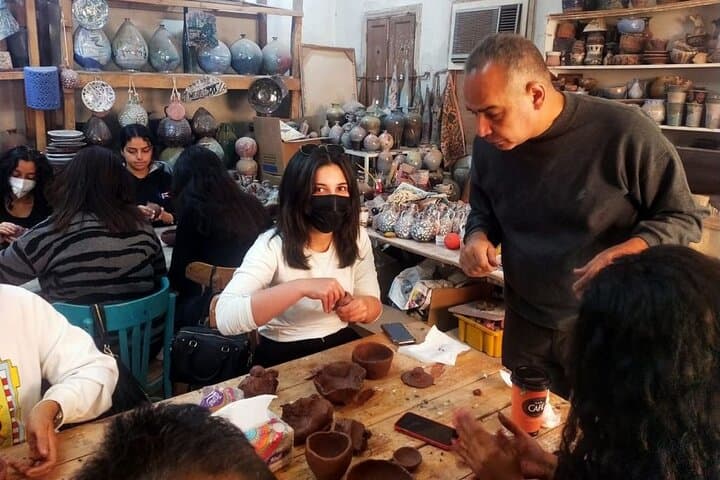
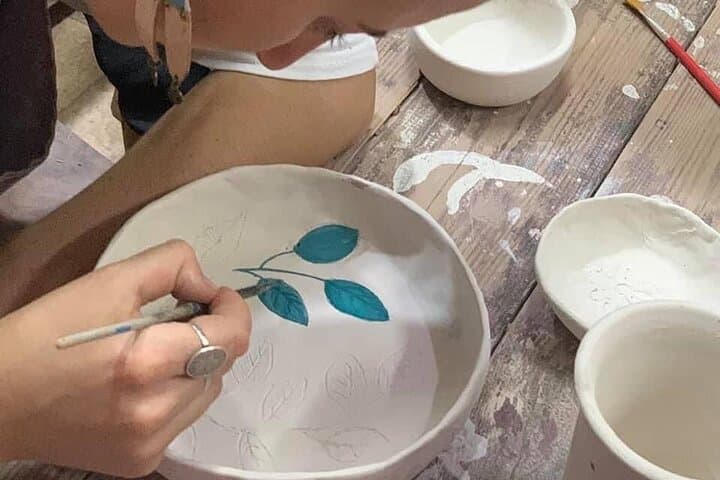
You step from the air-conditioned van into a sun-warmed lane of Old Cairo, where narrow streets fold between stone walls and the scent of clay seems plausible in the air. A local potter welcomes you into a compact studio where tools hang like simple instruments and a turned wheel waits; the next three hours are about shaping, steadying, and turning clay beneath your palms.
You step from the air-conditioned van into a sun-warmed lane of Old Cairo, where narrow streets fold between stone walls and the scent of clay seems plausible in the air. A local potter welcomes you into a compact studio where tools hang like simple instruments and a turned wheel waits; the next three hours are about shaping, steadying, and turning clay beneath your palms.
Pottery in Egypt reaches back to the Predynastic and Pharaonic eras, when Nile alluvium and local clays were formed into vessels for daily life and ritual. Old Cairo itself sits on layers of history — Roman Babylon Fortress, early Christian churches, and medieval Islamic markets — and the workshop sits within that palimpsest of craft and commerce. Geologically, the Nile’s silt and nearby alluvial deposits have supplied workable clays for millennia; culturally, craft traditions survive in family studios and small cooperatives around Cairo.
Expect a hands-on beginner session focused on basic wheel work and hand-building, instruction from a local artisan, bottled water, and hotel pickup and return by private A/C vehicle. Pieces usually need kiln-firing after drying; ask the guide about collection or shipping options.
Practical tips: wear clothes you can rinse or an apron, bring a small towel, and plan to be seated and attentive for most of the workshop. The pace is deliberate—concentration, rhythm, and repetition—and it’s a tactile way to connect with Egypt’s long material history without leaving the city.