THE ADVENTURE COLLECTIVE® · Independent discovery and booking for outdoor travel

Capture the Pyramids and Sphinx with a private photography guide on a tailored two-hour walking tour. Get positioned at top viewpoints, learn composition tips, and navigate the plateau with local insight.
Capture the Pyramids and Sphinx with a private photography guide on a tailored two-hour walking tour. Get positioned at top viewpoints, learn composition tips, and navigate the plateau with local insight.
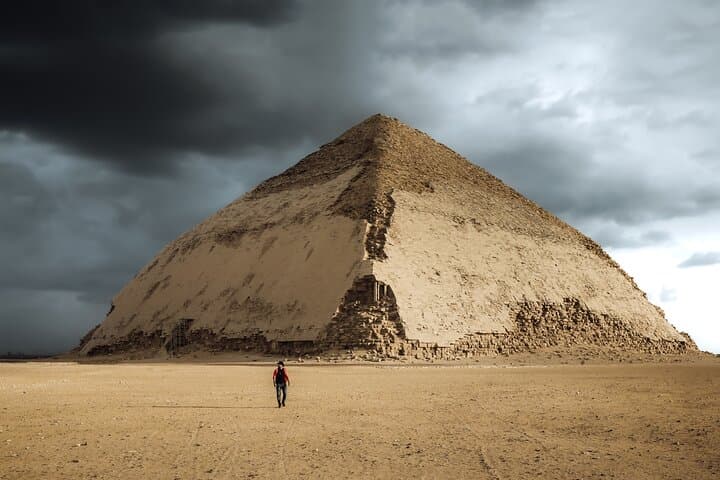
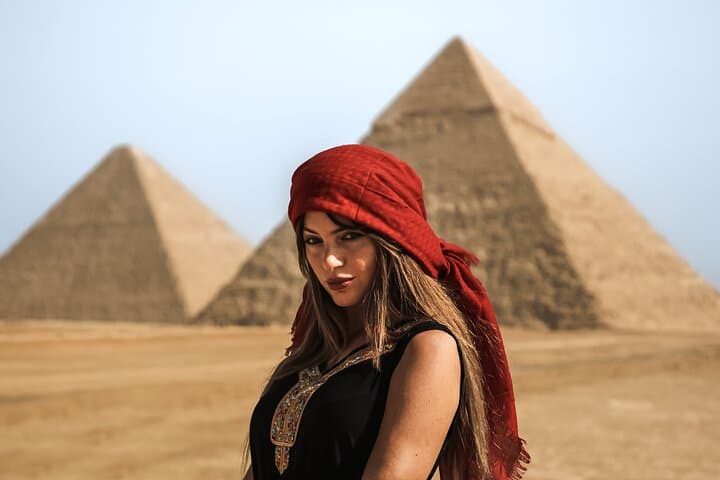
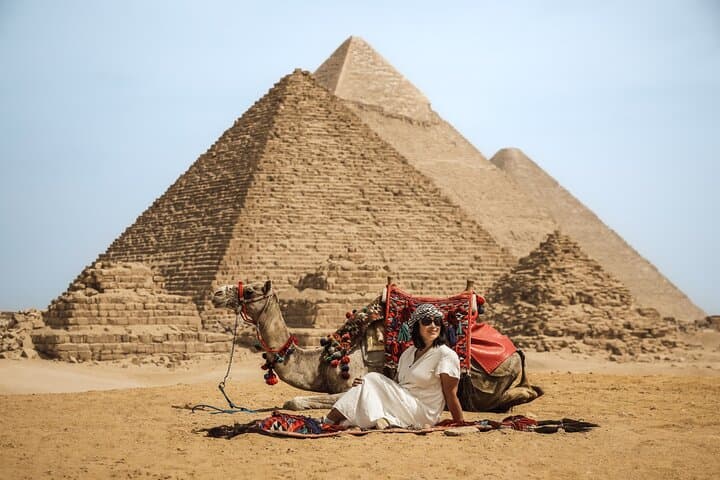
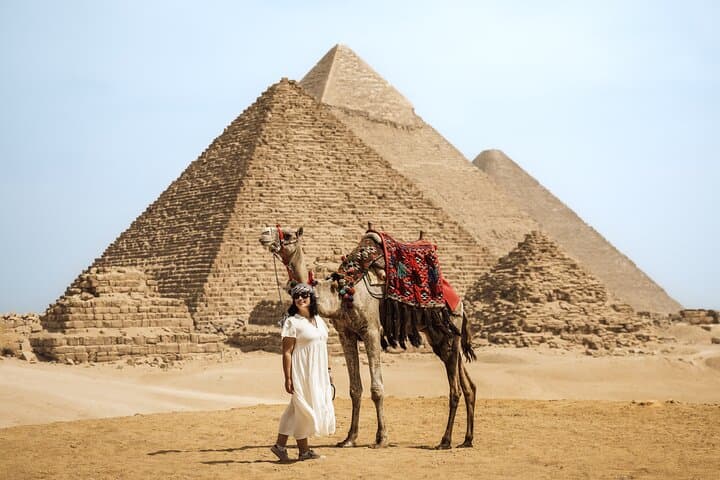
You arrive on the Giza Plateau with wind and light shaping the stone—sand lifts in thin streams, the Sphinx watches without blinking, and the great pyramids change color as the sun moves. A private photographer leads a two-hour walking route, positioning you at 3–4 classic viewpoints and quieter angles where the lines of stone and horizon meet.
Verified experiences and guided adventures in the surrounding area.
Operated by Omar Wanderer · Cairo, Cairo Governorate
You arrive on the Giza Plateau with wind and light shaping the stone—sand lifts in thin streams, the Sphinx watches without blinking, and the great pyramids change color as the sun moves. A private photographer leads a two-hour walking route, positioning you at 3–4 classic viewpoints and quieter angles where the lines of stone and horizon meet.
The plateau is both archaeological archive and working landscape: the pyramids are roughly 4,500 years old, built from local limestone blocks cut from nearby quarries. The geology is flat, arid and composed of compacted sedimentary rock; the Sphinx is carved from a single ridge of bedrock. Culturally, the site sits at the edge of a megacity—camel handlers, vendors, and modern roads provide a contrast to ancient craft and funerary architecture.
Practical guidance: the tour runs about 2 hours and is private and flexible with start times. Admission to the plateau or interior access to pyramids is usually not included—confirm entry fees ahead of time. Expect short walks over packed sand, occasional steps and uneven surfaces; the pace is photo-friendly with stops for composition and instruction. Bring sun protection, a small tripod or monopod if you want low-light shots, and fast memory cards; power access is limited.
Timing matters—early morning or late afternoon light gives the best contrast and fewer crowds. Respect the site: follow posted paths, listen to your guide on where photography is restricted, and keep hydrated. This tour is as much about learning to see the monuments as it is about leaving with technically strong images.
easy.
2 hours.
Light walking ability; able to stand and move over uneven, sandy ground for short periods.
No—admission and any optional interior pyramid tickets are generally not included; confirm with the operator before your tour.
This offering is private and tailored to your group—ideal for solo travelers, couples, or small groups; check the booking for exact group size limits.
Yes—the guide adapts to skill level and provides composition and camera-setting tips; prior experience helps but isn't required.
Most private photography guides include a set number of edited photos or a digital gallery—confirm delivery format and turnaround with the operator.
The Giza Plateau holds the Great Pyramid of Khufu, built around 2580–2560 BCE; the landscape reflects millennia of funerary architecture and later reuse by passing cultures.
High visitation and urban encroachment stress the monuments; follow site rules, avoid climbing structures, and support licensed guides to reduce informal impacts.
Omar Wanderer operates guided outdoor trips and adventures with an emphasis on safety, stewardship, and memorable experiences.
You arrive on the Giza Plateau with wind and light shaping the stone—sand lifts in thin streams, the Sphinx watches without blinking, and the great pyramids change color as the sun moves. A private photographer leads a two-hour walking route, positioning you at 3–4 classic viewpoints and quieter angles where the lines of stone and horizon meet.
You arrive on the Giza Plateau with wind and light shaping the stone—sand lifts in thin streams, the Sphinx watches without blinking, and the great pyramids change color as the sun moves. A private photographer leads a two-hour walking route, positioning you at 3–4 classic viewpoints and quieter angles where the lines of stone and horizon meet.
The plateau is both archaeological archive and working landscape: the pyramids are roughly 4,500 years old, built from local limestone blocks cut from nearby quarries. The geology is flat, arid and composed of compacted sedimentary rock; the Sphinx is carved from a single ridge of bedrock. Culturally, the site sits at the edge of a megacity—camel handlers, vendors, and modern roads provide a contrast to ancient craft and funerary architecture.
Practical guidance: the tour runs about 2 hours and is private and flexible with start times. Admission to the plateau or interior access to pyramids is usually not included—confirm entry fees ahead of time. Expect short walks over packed sand, occasional steps and uneven surfaces; the pace is photo-friendly with stops for composition and instruction. Bring sun protection, a small tripod or monopod if you want low-light shots, and fast memory cards; power access is limited.
Timing matters—early morning or late afternoon light gives the best contrast and fewer crowds. Respect the site: follow posted paths, listen to your guide on where photography is restricted, and keep hydrated. This tour is as much about learning to see the monuments as it is about leaving with technically strong images.