THE ADVENTURE COLLECTIVE® · Independent discovery and booking for outdoor travel

Float the Nile between Luxor and Aswan, then return to Cairo’s monumental heart on a private 7-night package that includes domestic flights. This tour pairs expert Egyptologist-led visits to pyramids, temples and tombs with relaxed cruise days and optional excursions like Abu Simbel.
Float the Nile between Luxor and Aswan, then return to Cairo’s monumental heart on a private 7-night package that includes domestic flights. This tour pairs expert Egyptologist-led visits to pyramids, temples and tombs with relaxed cruise days and optional excursions like Abu Simbel.
You wake before dawn on the teak deck as the Nile slips past — a silver ribbon through ochre banks — while the cruise horn murmurs and the first minarets of Aswan pick out of the haze. In one week you’ll move between the city’s pulse in Cairo and the slow, river-driven rhythm of Upper Egypt, trading taxi horns for the quiet slap of water against a hull.
Verified experiences and guided adventures in the surrounding area.
Operated by Explore plus Holidays · Cairo, Cairo
You wake before dawn on the teak deck as the Nile slips past — a silver ribbon through ochre banks — while the cruise horn murmurs and the first minarets of Aswan pick out of the haze. In one week you’ll move between the city’s pulse in Cairo and the slow, river-driven rhythm of Upper Egypt, trading taxi horns for the quiet slap of water against a hull.
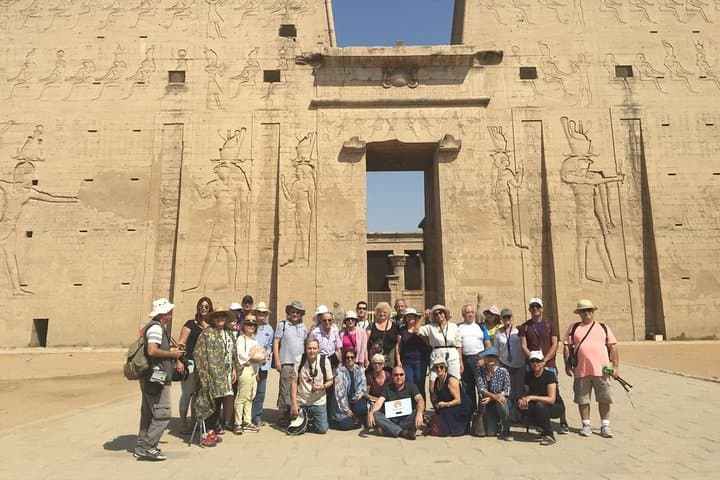
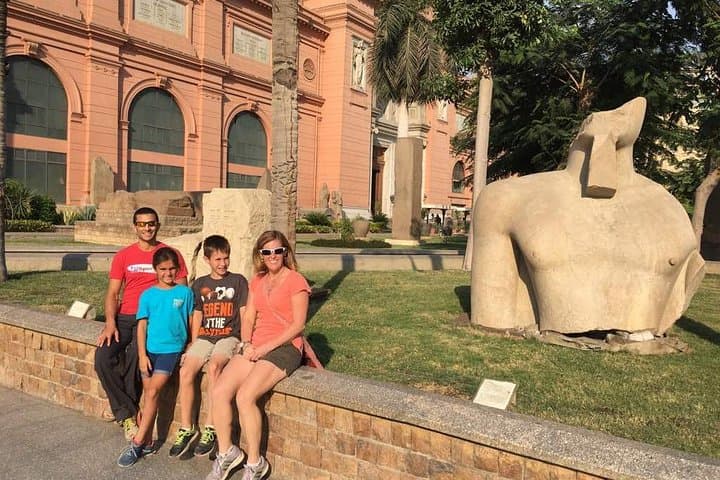
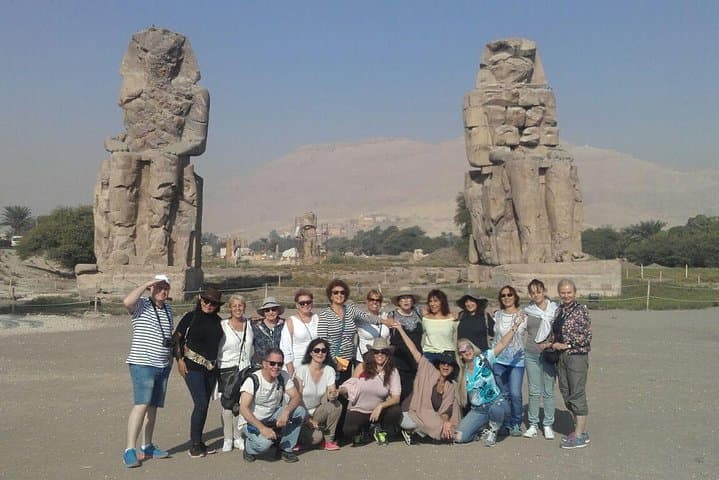
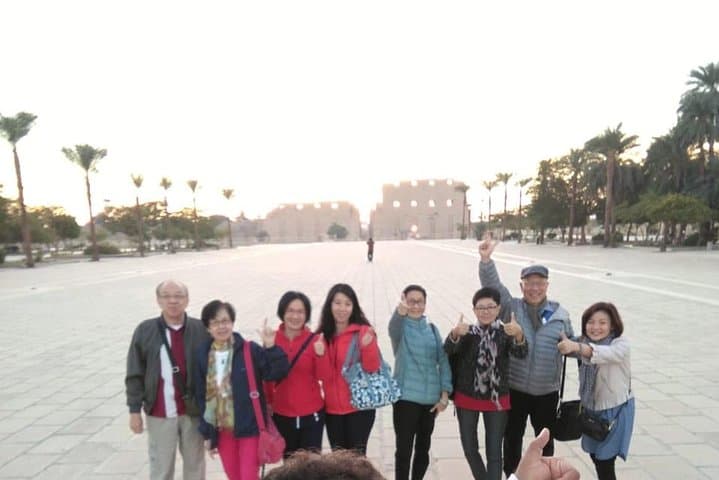
This itinerary strings together key chapters of ancient Egypt: the Giza pyramids and the Egyptian Museum in Cairo; Luxor’s Karnak and Luxor Temples on the East Bank; the Valley of the Kings, Hatshepsut’s funerary temple and the Colossi of Memnon on the West Bank; plus Ptolemaic-era Kom Ombo and Edfu while sailing toward Aswan. Geology explains the placement — a narrow fertile band of alluvium carved by the Nile between limestone escarpments — and culture fills it: living communities, mosque calls, and millennia-old funerary architecture layered with later Greek and Roman additions.
Practical guidance: plan for heat and dust — light, sun-protective clothing, sturdy walking shoes and a wide-brim hat are essential. Schedule visits early morning or late afternoon at major sites to avoid peak sun; carry photocopies of travel documents and have local currency for tips and small purchases. Expect comfortable cruise cabins, included domestic flights, and private Egyptologist guides; admissions, optional excursions (like Abu Simbel), and bottled water are often extra. Keep respectful dress for temple and mosque visits and allow time to acclimate to circulation and bargaining customs in markets. With planning you’ll move easily from archaeological awe to quiet river days, experiencing Egypt’s most iconic sights without rushing them.
easy.
7–8 days.
Light activity; able to walk 1–3 miles with stops on uneven surfaces and short stair sections in tombs and temples.
Yes — economy domestic flights Cairo–Luxor and Aswan–Cairo are included in the package, though times can vary with airline availability.
The cruise is private for your booking and the guide accompanies sailing days; cabins are assigned based on your reservation and party composition.
Most visitors must obtain a visa before arrival or on entry depending on nationality; confirm requirements well before travel and ensure passports have adequate validity.
Major guided tours listed (Giza, Valley of the Kings, Kom Ombo, Edfu) are included, but some optional excursions like Abu Simbel and certain museum extras may require supplement fees.
The Nile corridor has been Egypt’s lifeline for millennia; the New Kingdom pharaohs concentrated monumental tombs and temples on Luxor’s west bank, while Giza’s pyramids date to the Old Kingdom.
Tourism pressure and rising visitor numbers require responsible behavior—avoid touching reliefs, stay on permitted paths, and minimize plastic use; local programs work to protect monuments and river habitats.
Explore plus Holidays operates guided outdoor trips and adventures with an emphasis on safety, stewardship, and memorable experiences.
You wake before dawn on the teak deck as the Nile slips past — a silver ribbon through ochre banks — while the cruise horn murmurs and the first minarets of Aswan pick out of the haze. In one week you’ll move between the city’s pulse in Cairo and the slow, river-driven rhythm of Upper Egypt, trading taxi horns for the quiet slap of water against a hull.
You wake before dawn on the teak deck as the Nile slips past — a silver ribbon through ochre banks — while the cruise horn murmurs and the first minarets of Aswan pick out of the haze. In one week you’ll move between the city’s pulse in Cairo and the slow, river-driven rhythm of Upper Egypt, trading taxi horns for the quiet slap of water against a hull.
This itinerary strings together key chapters of ancient Egypt: the Giza pyramids and the Egyptian Museum in Cairo; Luxor’s Karnak and Luxor Temples on the East Bank; the Valley of the Kings, Hatshepsut’s funerary temple and the Colossi of Memnon on the West Bank; plus Ptolemaic-era Kom Ombo and Edfu while sailing toward Aswan. Geology explains the placement — a narrow fertile band of alluvium carved by the Nile between limestone escarpments — and culture fills it: living communities, mosque calls, and millennia-old funerary architecture layered with later Greek and Roman additions.
Practical guidance: plan for heat and dust — light, sun-protective clothing, sturdy walking shoes and a wide-brim hat are essential. Schedule visits early morning or late afternoon at major sites to avoid peak sun; carry photocopies of travel documents and have local currency for tips and small purchases. Expect comfortable cruise cabins, included domestic flights, and private Egyptologist guides; admissions, optional excursions (like Abu Simbel), and bottled water are often extra. Keep respectful dress for temple and mosque visits and allow time to acclimate to circulation and bargaining customs in markets. With planning you’ll move easily from archaeological awe to quiet river days, experiencing Egypt’s most iconic sights without rushing them.