THE ADVENTURE COLLECTIVE® · Independent discovery and booking for outdoor travel

See the Great Pyramid and the alleys of Islamic Cairo in a single layover: an eight‑hour private tour packs ancient engineering, Mamluk architecture and practical logistics into a compact cultural sprint. Essential for travelers with limited time but high curiosity.
See the Great Pyramid and the alleys of Islamic Cairo in a single layover: an eight‑hour private tour packs ancient engineering, Mamluk architecture and practical logistics into a compact cultural sprint. Essential for travelers with limited time but high curiosity.
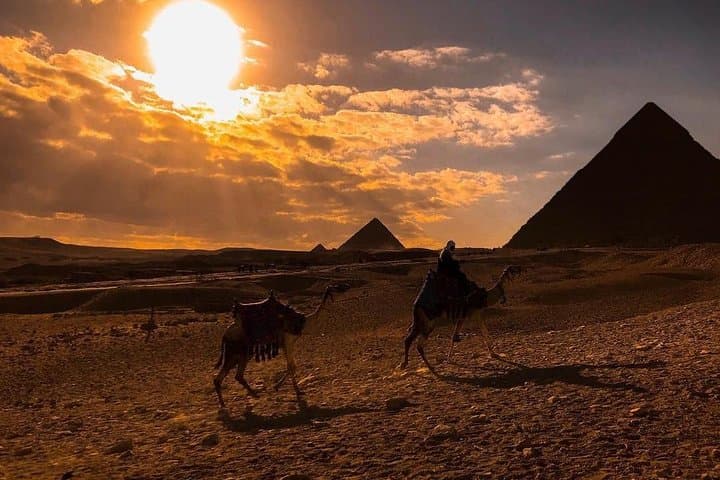
You step from the car into a bright, brittle air; the desert wind tugs at your scarf and the plateau’s stones seem to hum with age. From the Giza Plateau the Great Pyramid rises in blocky silhouette while the Sphinx watches the east, sunlight scraping detail from weathered limestone.
Verified experiences and guided adventures in the surrounding area.
Operated by Camel Ride at Giza Pyramids · Cairo, Cairo Governorate
You step from the car into a bright, brittle air; the desert wind tugs at your scarf and the plateau’s stones seem to hum with age. From the Giza Plateau the Great Pyramid rises in blocky silhouette while the Sphinx watches the east, sunlight scraping detail from weathered limestone.
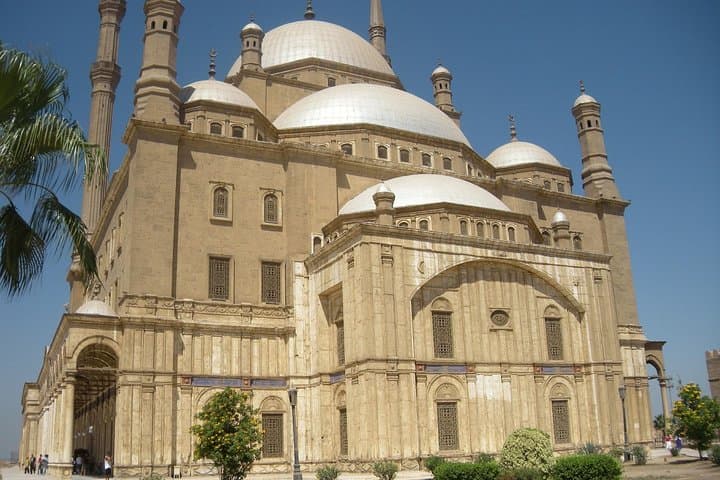
The stone giants here date to the Fourth Dynasty (c. 2580–2560 BCE), built atop a bedrock of limestone and cemented by human ambition. The Giza complex is an archaeological landscape of causeways, valley temples and satellite pyramids; geology shows the craftsmen used local Tura and Mokattam limestone and imported granite for chambers and statues. Later, Islamic Cairo layered the city with madrassas, minarets and markets beginning in the 10th century—walk the narrow lanes and you’ll pass Mamluk stonework and the 19th-century alabaster sweep of the Muhammad Ali Mosque at the Citadel.
On a layover this is a compact cultural sprint: temple terraces, panoramic viewpoints for photography, then the dense textures of Islamic Cairo—al-Azhar, Sultan Hassan and Al-Rifa‘i—tight streets where spices and call to prayer command the rhythm.
Practical note: tours typically include airport pickup and an 8‑hour schedule; factor in Cairo traffic and security checks. Wear sturdy walking shoes and sun protection, carry a printed passport and local cash for entrance upgrades or tips, and dress respectfully for mosques (shoulders and knees covered). Hydrate often, move at a measured pace through dusty courtyards, and leave time to return to Cairo International with at least two hours before your flight. The day combines hard history and lively streets—efficient, revealing, and easily tailored to a tight schedule.
easy.
8 hours.
Suitable for most travelers who can walk 2–4 miles on uneven, dusty surfaces and negotiate steps and curbs.
The private layover tour runs about 8 hours; pickups are scheduled from Cairo International between early morning and late morning—confirm a specific time when you book.
Basic entrance to the Giza Plateau and some sites is often included, but certain internal chamber access or museum entries may require additional fees at the site.
Yes—Cairo International offers left‑luggage services; coordinate with your operator for pickup and drop‑off logistics to avoid delays.
Most mosques permit tourists outside of prayer times if dressed modestly; some areas may be closed for worship or restoration, so follow your guide’s instructions.
The Giza pyramids date to Egypt’s Fourth Dynasty and reflect monumental royal burial practices; Islamic Cairo grew from the Fatimid capital of the 10th century into a dense Mamluk-era urban core.
Visitor pressure and pollution threaten monuments; choose licensed guides, avoid climbing monuments, and use refillable water bottles to reduce plastic waste.
Camel Ride at Giza Pyramids operates guided outdoor trips and adventures with an emphasis on safety, stewardship, and memorable experiences.
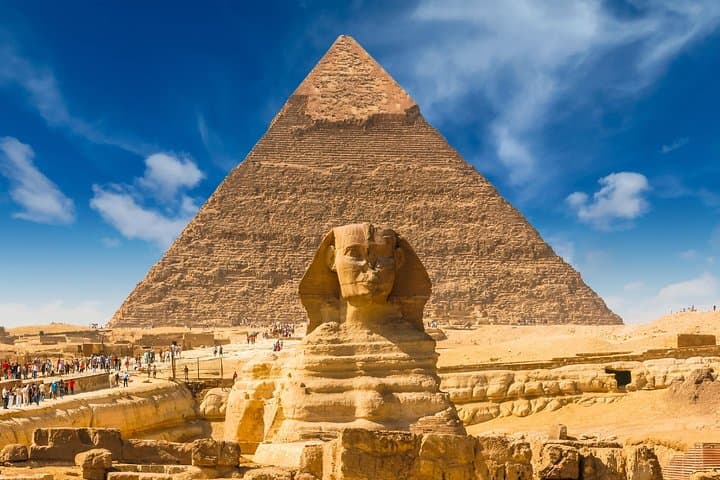
You step from the car into a bright, brittle air; the desert wind tugs at your scarf and the plateau’s stones seem to hum with age. From the Giza Plateau the Great Pyramid rises in blocky silhouette while the Sphinx watches the east, sunlight scraping detail from weathered limestone.
You step from the car into a bright, brittle air; the desert wind tugs at your scarf and the plateau’s stones seem to hum with age. From the Giza Plateau the Great Pyramid rises in blocky silhouette while the Sphinx watches the east, sunlight scraping detail from weathered limestone.
The stone giants here date to the Fourth Dynasty (c. 2580–2560 BCE), built atop a bedrock of limestone and cemented by human ambition. The Giza complex is an archaeological landscape of causeways, valley temples and satellite pyramids; geology shows the craftsmen used local Tura and Mokattam limestone and imported granite for chambers and statues. Later, Islamic Cairo layered the city with madrassas, minarets and markets beginning in the 10th century—walk the narrow lanes and you’ll pass Mamluk stonework and the 19th-century alabaster sweep of the Muhammad Ali Mosque at the Citadel.
On a layover this is a compact cultural sprint: temple terraces, panoramic viewpoints for photography, then the dense textures of Islamic Cairo—al-Azhar, Sultan Hassan and Al-Rifa‘i—tight streets where spices and call to prayer command the rhythm.
Practical note: tours typically include airport pickup and an 8‑hour schedule; factor in Cairo traffic and security checks. Wear sturdy walking shoes and sun protection, carry a printed passport and local cash for entrance upgrades or tips, and dress respectfully for mosques (shoulders and knees covered). Hydrate often, move at a measured pace through dusty courtyards, and leave time to return to Cairo International with at least two hours before your flight. The day combines hard history and lively streets—efficient, revealing, and easily tailored to a tight schedule.