THE ADVENTURE COLLECTIVE® · Independent discovery and booking for outdoor travel

Spend a day moving from the Egyptian Museum’s pharaonic riches to the Giza Plateau’s timeless pyramids, finish with a camel ride and the colours of Khan el‑Khalili bazaar. This private tour pairs expert commentary with convenient logistics for a compact Cairo primer.
Spend a day moving from the Egyptian Museum’s pharaonic riches to the Giza Plateau’s timeless pyramids, finish with a camel ride and the colours of Khan el‑Khalili bazaar. This private tour pairs expert commentary with convenient logistics for a compact Cairo primer.
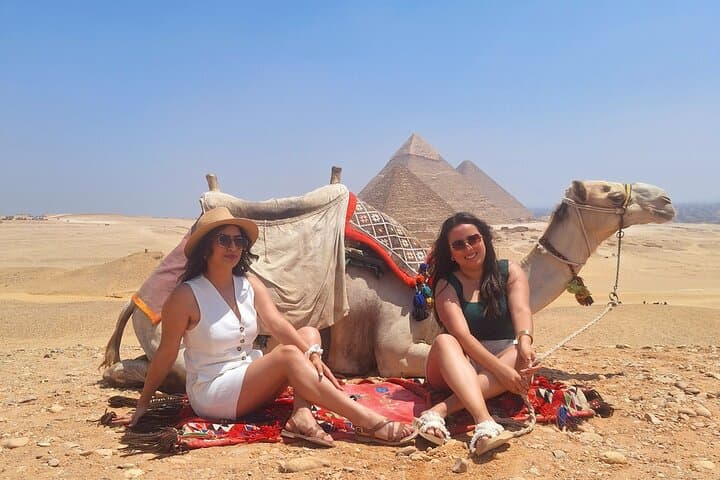
A low sun paints the Giza Plateau gold as you step from an air‑conditioned vehicle into a wind that seems to push history toward you. The three pyramids rise like carved geometry from the desert, and a single camel exhales steam into the morning light, offering a quiet, loping contrast to the stones’ immovable presence.
Verified experiences and guided adventures in the surrounding area.
Operated by Adi Tours - Nuba travel · Giza, Giza Governorate
A low sun paints the Giza Plateau gold as you step from an air‑conditioned vehicle into a wind that seems to push history toward you. The three pyramids rise like carved geometry from the desert, and a single camel exhales steam into the morning light, offering a quiet, loping contrast to the stones’ immovable presence.
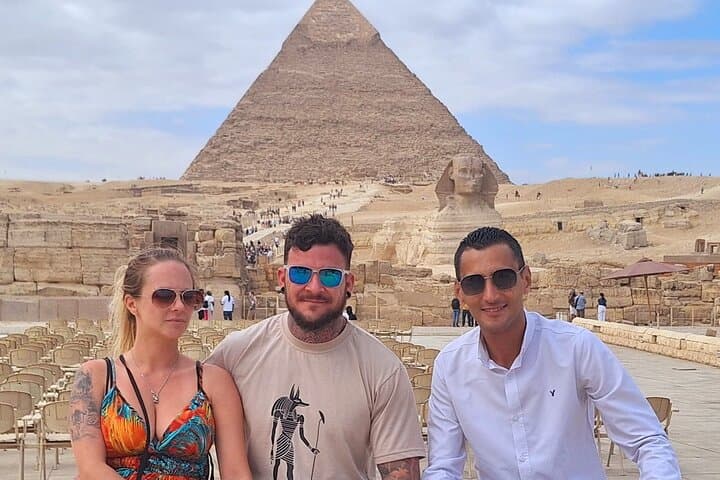
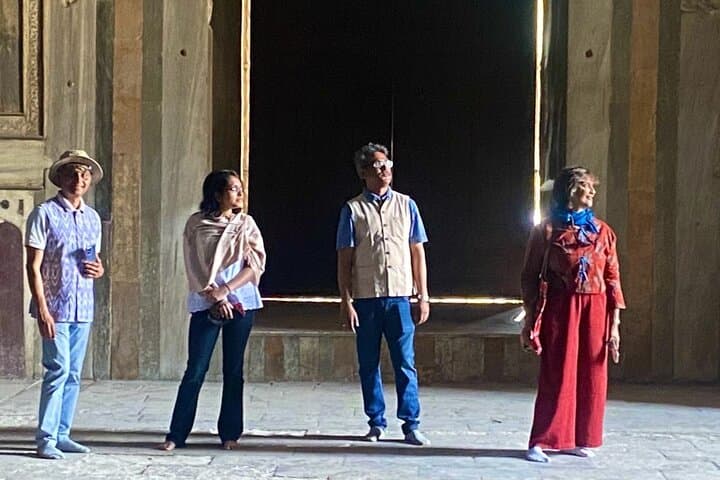
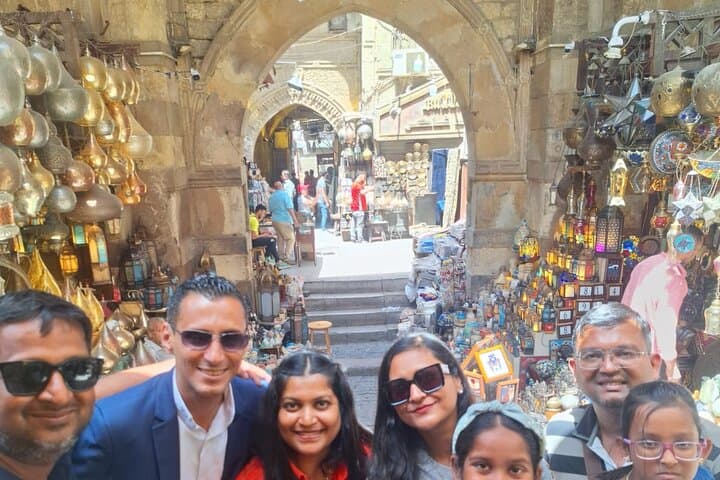
This full‑day private tour ties Cairo’s layers together: the Egyptian Museum in Tahrir Square houses more than 120,000 artifacts, including Tutankhamun’s funerary treasures; the Giza Plateau presents Khufu, Khafre and Menkaure—massive limestone and granite monuments built around 2600–2500 BCE; and Khan el‑Khalili bazaar channels centuries of trade with alleys of brass, spices and coffeehouses tracing back to the Mamluk era.
Geology is visible here—the pyramids’ outer casing once smoothed the forms; underlying limestone and imported Aswan granite tell the story of material, labor and transport. Culture arrives in the small acts: bargaining over a lamp, the whistle of tea, and the camel driver’s practiced route across packed sand.
Practical guidance: start early to avoid midday heat and crowds, carry sun protection and a reusable water bottle (water is provided on the tour), and wear closed‑toe shoes for loose sand and stepped platforms. Museum sections may restrict large bags and tripods; respectful dress is advised in cultural spaces. The pace is private and adaptable—bring a charged camera, an appetite for walking and a readiness to trade the city’s bustle for vistas that have watched the Nile valley change for millennia.
easy.
6–8 hours.
Suitable for most fitness levels; involves walking on uneven surfaces and some sand—basic mobility and stamina for several short walks and stairs recommended.
Yes — the tour notes admission to the Egyptian Museum and Giza pyramids area are included; confirm whether optional interior pyramid or royal mummies access is part of your booking as some extras require separate fees.
Yes — the itinerary and product title include a camel ride at Giza, though the duration and location can be confirmed with the operator on the day of the tour.
The tour lists wheelchair accessibility for vehicles and many surfaces, but the Giza Plateau and pyramid exteriors include uneven terrain and steps that may limit access; notify the operator of specific needs in advance.
Late fall through early spring offers the most comfortable temperatures and clearer skies; summer can be intensely hot, so aim for early starts if traveling in July–August.
The Giza pyramids date to Egypt’s Old Kingdom (c. 2600–2500 BCE), while Khan el‑Khalili evolved as a trade quarter during the Mamluk period (14th century onward).
High visitor numbers and urban pollution affect the plateau and monuments—follow designated paths, avoid climbing on structures and support local conservation by using authorized guides and vendors.
Adi Tours - Nuba travel operates guided outdoor trips and adventures with an emphasis on safety, stewardship, and memorable experiences.
A low sun paints the Giza Plateau gold as you step from an air‑conditioned vehicle into a wind that seems to push history toward you. The three pyramids rise like carved geometry from the desert, and a single camel exhales steam into the morning light, offering a quiet, loping contrast to the stones’ immovable presence.
A low sun paints the Giza Plateau gold as you step from an air‑conditioned vehicle into a wind that seems to push history toward you. The three pyramids rise like carved geometry from the desert, and a single camel exhales steam into the morning light, offering a quiet, loping contrast to the stones’ immovable presence.
This full‑day private tour ties Cairo’s layers together: the Egyptian Museum in Tahrir Square houses more than 120,000 artifacts, including Tutankhamun’s funerary treasures; the Giza Plateau presents Khufu, Khafre and Menkaure—massive limestone and granite monuments built around 2600–2500 BCE; and Khan el‑Khalili bazaar channels centuries of trade with alleys of brass, spices and coffeehouses tracing back to the Mamluk era.
Geology is visible here—the pyramids’ outer casing once smoothed the forms; underlying limestone and imported Aswan granite tell the story of material, labor and transport. Culture arrives in the small acts: bargaining over a lamp, the whistle of tea, and the camel driver’s practiced route across packed sand.
Practical guidance: start early to avoid midday heat and crowds, carry sun protection and a reusable water bottle (water is provided on the tour), and wear closed‑toe shoes for loose sand and stepped platforms. Museum sections may restrict large bags and tripods; respectful dress is advised in cultural spaces. The pace is private and adaptable—bring a charged camera, an appetite for walking and a readiness to trade the city’s bustle for vistas that have watched the Nile valley change for millennia.