THE ADVENTURE COLLECTIVE® · Independent discovery and booking for outdoor travel

Fly from Sharm el Sheikh to Cairo for a one-day, Egyptologist-led dive into the Egyptian Museum and the Giza plateau. Expect an early start, a Nile-side lunch, guided exploration of the pyramids, Valley Temple and Sphinx, plus hands-on papyrus demonstrations.
Fly from Sharm el Sheikh to Cairo for a one-day, Egyptologist-led dive into the Egyptian Museum and the Giza plateau. Expect an early start, a Nile-side lunch, guided exploration of the pyramids, Valley Temple and Sphinx, plus hands-on papyrus demonstrations.
You step out of the early-morning terminal into a Cairo wind that smells faintly of diesel and warm stone — the city unfolding toward the Nile while the Giza plateau waits on the horizon.
Verified experiences and guided adventures in the surrounding area.
Operated by Special trips · Cairo, Cairo
You step out of the early-morning terminal into a Cairo wind that smells faintly of diesel and warm stone — the city unfolding toward the Nile while the Giza plateau waits on the horizon.
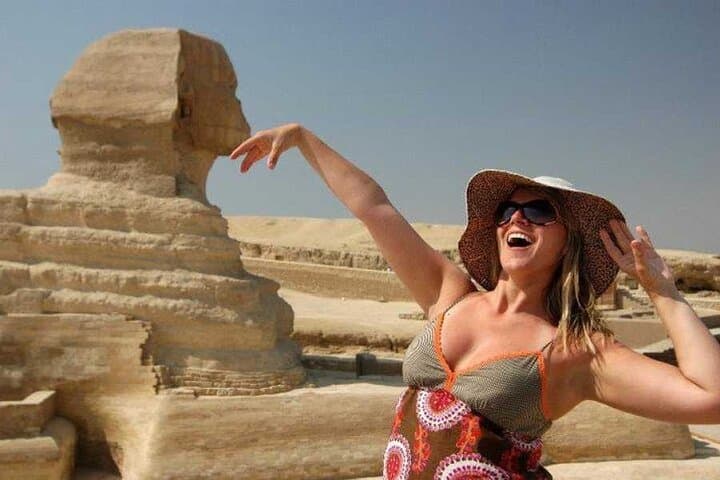
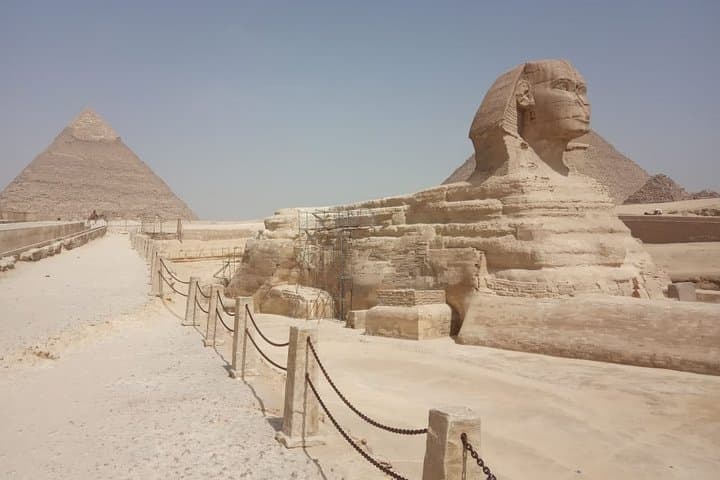
By midmorning an Egyptologist leads you through the Egyptian Museum, where gold and painted wood make the past feel immediate; after lunch on the Nile bank, the tour moves to the Giza necropolis. Standing beneath the Great Pyramid, you feel the scale and deliberate geometry that defined Old Kingdom funerary architecture. The nearby Valley Temple and Sphinx reveal ritual and the practical work of mummification; at the Papyrus Institute you can see the original paper-making technique that recorded it all.
Geology here is blunt and visible: bedrock limestone and alluvial silt shaped where monuments were sited, and the plateau’s elevation offers the classic three-pyramid panorama. Culturally, the day stitches modern Cairo to pharaonic rhythms — markets, mosques, and river traffic give context to the ancient sites.
Practical edge: the itinerary is long (about 13 hours including flights) and involves walking on uneven stone and open desert plateau. Bring sun protection, comfortable closed shoes, and a photocopy of your passport for domestic flights. Listen to your Egyptologist: interior pyramid access is often limited and incurs extra fees. Expect licensed drivers and door-to-door transfers from Sharm el Sheikh, but confirm exact pickup times and any museum entry charges before travel.
This is a marathon day of history — efficient, intense and unavoidably unforgettable.
moderate.
13 hours.
You should be comfortable walking 3–5 miles over uneven ground and standing during guided explanations; basic stamina required for a long travel day.
Policies vary by operator—many tours include guided visits and basic entrance fees, but optional extras (like entering the Great Pyramid interior) often require additional payment; confirm at booking.
Expect several hours of walking on uneven surfaces, short climbs to panoramic viewpoints and standing during explanations; total walking distance typically 3–5 miles across the day.
Yes—bring your passport for domestic flight check-in and a photocopy to carry during site visits; keep the original secure with your driver or hotel if instructed.
Tipping is customary for guides, drivers and service staff; follow local tipping norms (small amounts per person to drivers and guides) and carry small notes in EGP.
The Giza pyramids date to the Fourth Dynasty (around 2600–2500 BCE) and functioned as royal tombs; the Egyptian Museum houses artifacts spanning millennia, including Tutankhamun’s mask.
Tour operators work under stricter site rules to manage wear on ancient masonry; avoid touching carvings, never climb monuments and support licensed guides and local conservation fees when offered.
Special trips operates guided outdoor trips and adventures with an emphasis on safety, stewardship, and memorable experiences.

You step out of the early-morning terminal into a Cairo wind that smells faintly of diesel and warm stone — the city unfolding toward the Nile while the Giza plateau waits on the horizon.
You step out of the early-morning terminal into a Cairo wind that smells faintly of diesel and warm stone — the city unfolding toward the Nile while the Giza plateau waits on the horizon.
By midmorning an Egyptologist leads you through the Egyptian Museum, where gold and painted wood make the past feel immediate; after lunch on the Nile bank, the tour moves to the Giza necropolis. Standing beneath the Great Pyramid, you feel the scale and deliberate geometry that defined Old Kingdom funerary architecture. The nearby Valley Temple and Sphinx reveal ritual and the practical work of mummification; at the Papyrus Institute you can see the original paper-making technique that recorded it all.
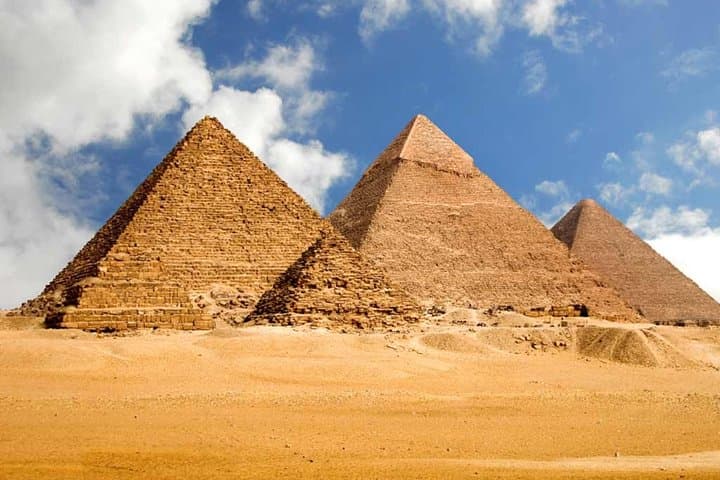
Geology here is blunt and visible: bedrock limestone and alluvial silt shaped where monuments were sited, and the plateau’s elevation offers the classic three-pyramid panorama. Culturally, the day stitches modern Cairo to pharaonic rhythms — markets, mosques, and river traffic give context to the ancient sites.
Practical edge: the itinerary is long (about 13 hours including flights) and involves walking on uneven stone and open desert plateau. Bring sun protection, comfortable closed shoes, and a photocopy of your passport for domestic flights. Listen to your Egyptologist: interior pyramid access is often limited and incurs extra fees. Expect licensed drivers and door-to-door transfers from Sharm el Sheikh, but confirm exact pickup times and any museum entry charges before travel.
This is a marathon day of history — efficient, intense and unavoidably unforgettable.