THE ADVENTURE COLLECTIVE® · Independent discovery and booking for outdoor travel

Fly from Luxor to Cairo for a private, full-day exploration of the Giza Pyramids, the Great Sphinx, the Egyptian Museum and Khan el-Khalili, with transfers and lunch included. Perfect for travelers who want maximum ancient-Egypt time in a single, well-organized day.
Fly from Luxor to Cairo for a private, full-day exploration of the Giza Pyramids, the Great Sphinx, the Egyptian Museum and Khan el-Khalili, with transfers and lunch included. Perfect for travelers who want maximum ancient-Egypt time in a single, well-organized day.
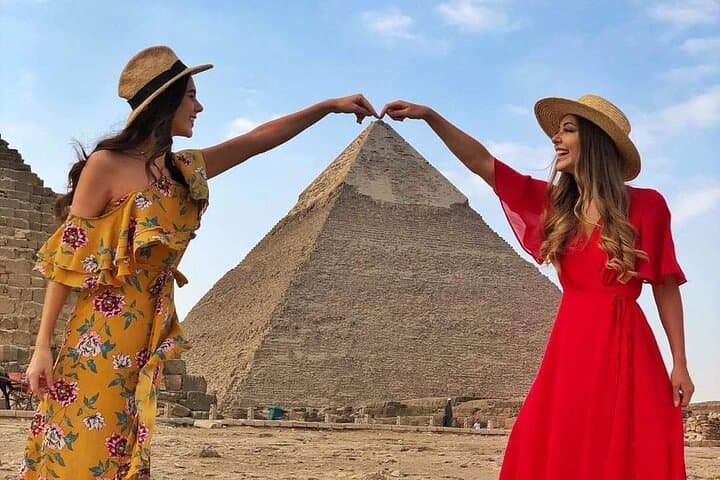
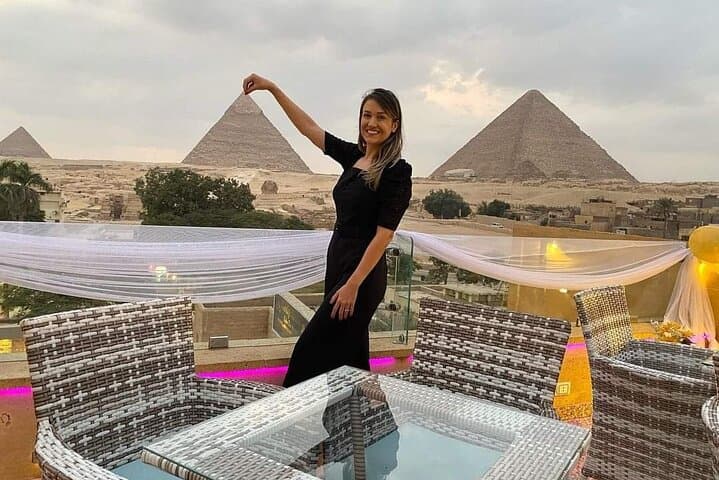
You land in Cairo mid-morning after a short flight out of Luxor and the plane window frames the vast, pale sweep of the Giza Plateau. Wind lifts sand across the stepped outlines of the pyramids; up close, the stone faces are hotter and rougher than photos imply, each block bearing the fingerprints of ancient quarrying.
Verified experiences and guided adventures in the surrounding area.
Operated by Egypt Best Day Tours · Giza, Cairo Governorate
You land in Cairo mid-morning after a short flight out of Luxor and the plane window frames the vast, pale sweep of the Giza Plateau. Wind lifts sand across the stepped outlines of the pyramids; up close, the stone faces are hotter and rougher than photos imply, each block bearing the fingerprints of ancient quarrying.
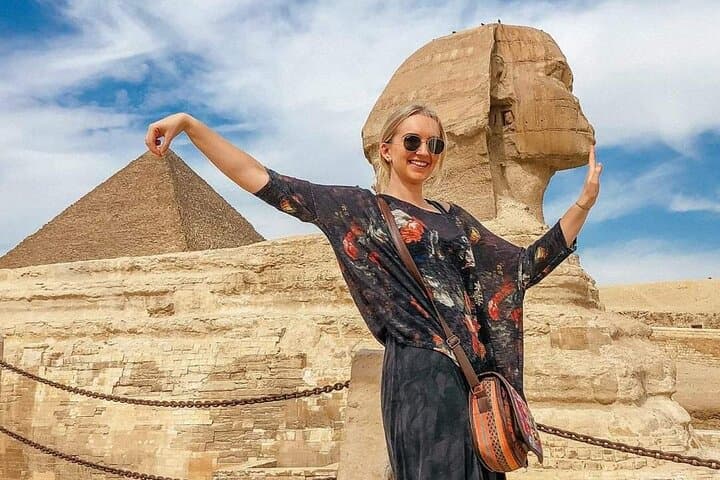
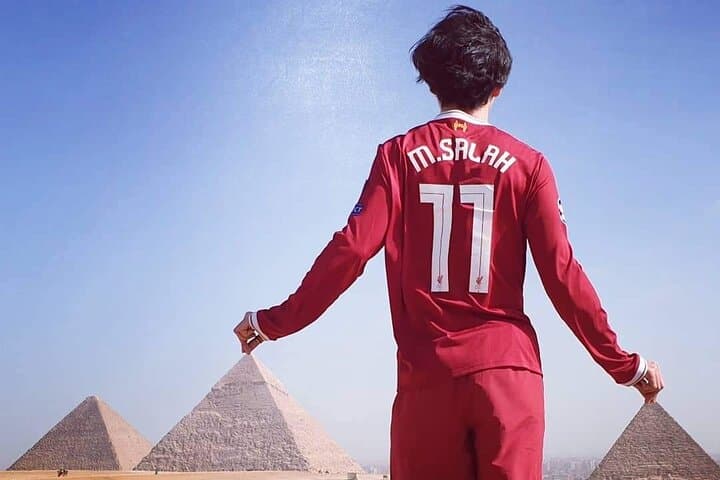
The plateau’s monuments date to Egypt’s Fourth Dynasty—Grand Pyramid of Khufu, Khafre’s complex and the smaller Menkaure—built from local limestone and imported granite. The Great Sphinx, carved from bedrock, watches the horizon with a weathered, human-like gaze. Cairo’s geology is desert rock overlying the Nile valley; the city's history layers over it—from Pharaonic tombs to Ottoman streets—visible in the Egyptian Museum’s catalog of funerary goods and the lively souks of Khan el-Khalili.
Expect a concentrated day: several hours at Giza to walk among pyramids and the Sphinx, a curated visit to the Cairo Museum, and time in Khan el-Khalili for crafts and lunch. The tour includes round-trip flights from Luxor, transfers, a qualified Egyptologist guide and lunch; monument entrance fees are commonly extra.
Practical edge: bring a valid passport, comfortable walking shoes, sun protection and small bills for tips and site fees. Plan for heat, dust and crowds—early-season mornings are cooler; afternoons are harsh. The tour is largely accessible by vehicle, but surfaces near ruins are uneven. With planning, a one-day flight hop turns a distant capital into a compact, unforgettable archaeological sprint.
easy.
10 hours.
Basic mobility and the ability to walk short uneven distances; no special fitness required.
Yes — the tour includes round-trip flights from Luxor, hotel transfers and ground transportation in Cairo.
Typically entrance fees are not included; check with the operator and bring cash or card to purchase tickets on site.
The operator notes wheelchair-accessible transportation and surfaces in some areas, but uneven ground at ancient sites can limit access—ask ahead for accommodations.
The full day is about 10 hours total; expect a multi-hour visit at Giza, around two hours at the Egyptian Museum, and time for lunch and Khan el-Khalili.
The Giza necropolis dates to the Fourth Dynasty (c. 2600–2500 BCE); the Egyptian Museum (built 1901) houses thousands of artifacts spanning millennia.
Preservation efforts focus on stabilizing sandstone and reducing visitor impact; carry out litter and respect signage to help protect the monuments.
Egypt Best Day Tours operates guided outdoor trips and adventures with an emphasis on safety, stewardship, and memorable experiences.
You land in Cairo mid-morning after a short flight out of Luxor and the plane window frames the vast, pale sweep of the Giza Plateau. Wind lifts sand across the stepped outlines of the pyramids; up close, the stone faces are hotter and rougher than photos imply, each block bearing the fingerprints of ancient quarrying.
You land in Cairo mid-morning after a short flight out of Luxor and the plane window frames the vast, pale sweep of the Giza Plateau. Wind lifts sand across the stepped outlines of the pyramids; up close, the stone faces are hotter and rougher than photos imply, each block bearing the fingerprints of ancient quarrying.
The plateau’s monuments date to Egypt’s Fourth Dynasty—Grand Pyramid of Khufu, Khafre’s complex and the smaller Menkaure—built from local limestone and imported granite. The Great Sphinx, carved from bedrock, watches the horizon with a weathered, human-like gaze. Cairo’s geology is desert rock overlying the Nile valley; the city's history layers over it—from Pharaonic tombs to Ottoman streets—visible in the Egyptian Museum’s catalog of funerary goods and the lively souks of Khan el-Khalili.
Expect a concentrated day: several hours at Giza to walk among pyramids and the Sphinx, a curated visit to the Cairo Museum, and time in Khan el-Khalili for crafts and lunch. The tour includes round-trip flights from Luxor, transfers, a qualified Egyptologist guide and lunch; monument entrance fees are commonly extra.
Practical edge: bring a valid passport, comfortable walking shoes, sun protection and small bills for tips and site fees. Plan for heat, dust and crowds—early-season mornings are cooler; afternoons are harsh. The tour is largely accessible by vehicle, but surfaces near ruins are uneven. With planning, a one-day flight hop turns a distant capital into a compact, unforgettable archaeological sprint.