THE ADVENTURE COLLECTIVE® · Independent discovery and booking for outdoor travel

Spend a focused day in Cairo visiting the Giza Pyramids, the Grand Egyptian Museum and the bustling Khan el-Khalili bazaar. This private tour combines iconic archaeology with museum interpretation and lively market culture—perfect for first-time visitors who want a full-day, curated experience.
Spend a focused day in Cairo visiting the Giza Pyramids, the Grand Egyptian Museum and the bustling Khan el-Khalili bazaar. This private tour combines iconic archaeology with museum interpretation and lively market culture—perfect for first-time visitors who want a full-day, curated experience.
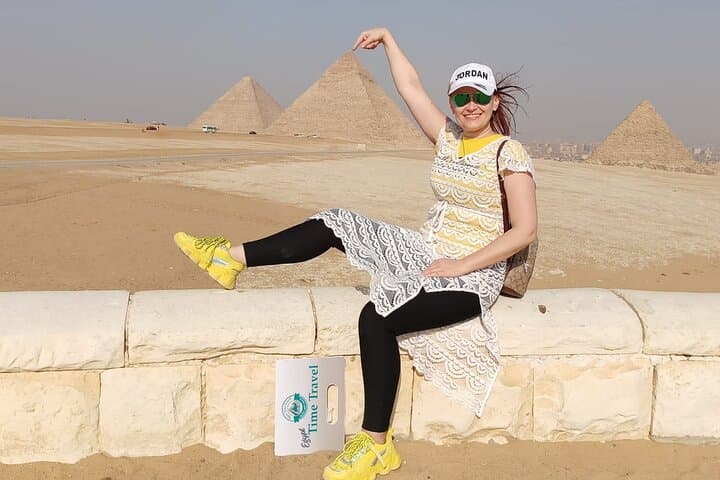
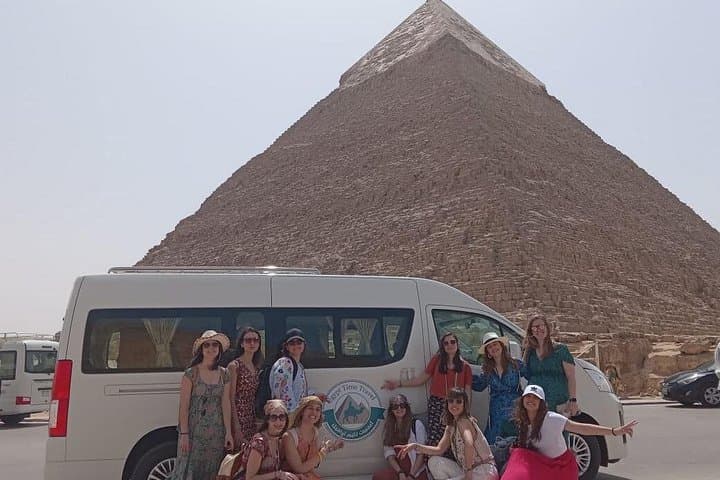
You step off the air-conditioned minivan into a wind that smells of sand and sunlight—Giza’s plateau opens ahead, the Great Pyramid rising like a stubborn idea carved from limestone. Tour groups peel away, but with a private guide the plateau feels personal: the Sphinx sits watchful, the stones warm underfoot, and the Nile city hums beyond the horizon.
Verified experiences and guided adventures in the surrounding area.
Operated by Egypt Time Travel · Cairo, Cairo Governorate
You step off the air-conditioned minivan into a wind that smells of sand and sunlight—Giza’s plateau opens ahead, the Great Pyramid rising like a stubborn idea carved from limestone. Tour groups peel away, but with a private guide the plateau feels personal: the Sphinx sits watchful, the stones warm underfoot, and the Nile city hums beyond the horizon.
This full-day route threads three chapters of Cairo’s story. The Pyramids of Giza are Bronze Age engineering writ large—limestone casing stones, internal passages and alignment that still draw scientific debate. The Grand Egyptian Museum (GEM) collects millennia of artifacts in modern galleries, reframing pharaonic life with climate-controlled display and contextual exhibits. Khan el-Khalili Bazaar, Cairo’s historic market, is where Ottoman-era alleys meet contemporary commerce: copperware, spices and tea stalls that keep ancient trade routes alive.
Geologically, the plateau is limestone bedrock capped by windblown sand; expect dusty walking surfaces and some uneven stairs and ramps. Culturally, modest dress and respectful behavior in religious or conservative settings are standard. Local insight: mornings are cooler for photos at the pyramids, while late afternoon brings softer light for the GEM’s exterior.
Practical essentials: the itinerary runs about 10 hours with included transport, bottled water and lunch. Bring sun protection, sturdy walking shoes, and your passport for ticketing. Walks between viewpoints are typically 1–3 km total on the plateau and in the museum; bargaining is customary in Khan el-Khalili. With a private guide, pacing and accessibility can be adapted—plan for heat, hydration, and a full day of history.
easy.
10 hours.
Suitable for most fitness levels; expect several hours of walking on flat and uneven surfaces and short stair sections.
Yes—this tour includes entry fees to the Giza plateau sites and the Grand Egyptian Museum as stated in the itinerary.
A local lunch is included at a reputable restaurant; bottled water is provided throughout the tour.
The tour is marked suitable for all fitness levels; however, attendees should be able to walk short distances and manage stairs—private pacing makes it adaptable for seniors and children.
As a private tour, timing and emphasis can usually be adjusted—confirm preferences at booking or with your guide on the day.
Giza’s pyramids date to the Fourth Dynasty (c. 2600–2500 BCE); the area became a focal point for pilgrimage and antiquarian study during the 19th and 20th centuries, leading to the modern museum movement culminating in the GEM.
The GEM uses climate-controlled displays to protect fragile artifacts; at the plateau, visitors are asked to avoid climbing on monuments and to minimize litter—support local conservation by following guides’ instructions.
Egypt Time Travel operates guided outdoor trips and adventures with an emphasis on safety, stewardship, and memorable experiences.
You step off the air-conditioned minivan into a wind that smells of sand and sunlight—Giza’s plateau opens ahead, the Great Pyramid rising like a stubborn idea carved from limestone. Tour groups peel away, but with a private guide the plateau feels personal: the Sphinx sits watchful, the stones warm underfoot, and the Nile city hums beyond the horizon.
You step off the air-conditioned minivan into a wind that smells of sand and sunlight—Giza’s plateau opens ahead, the Great Pyramid rising like a stubborn idea carved from limestone. Tour groups peel away, but with a private guide the plateau feels personal: the Sphinx sits watchful, the stones warm underfoot, and the Nile city hums beyond the horizon.
This full-day route threads three chapters of Cairo’s story. The Pyramids of Giza are Bronze Age engineering writ large—limestone casing stones, internal passages and alignment that still draw scientific debate. The Grand Egyptian Museum (GEM) collects millennia of artifacts in modern galleries, reframing pharaonic life with climate-controlled display and contextual exhibits. Khan el-Khalili Bazaar, Cairo’s historic market, is where Ottoman-era alleys meet contemporary commerce: copperware, spices and tea stalls that keep ancient trade routes alive.
Geologically, the plateau is limestone bedrock capped by windblown sand; expect dusty walking surfaces and some uneven stairs and ramps. Culturally, modest dress and respectful behavior in religious or conservative settings are standard. Local insight: mornings are cooler for photos at the pyramids, while late afternoon brings softer light for the GEM’s exterior.
Practical essentials: the itinerary runs about 10 hours with included transport, bottled water and lunch. Bring sun protection, sturdy walking shoes, and your passport for ticketing. Walks between viewpoints are typically 1–3 km total on the plateau and in the museum; bargaining is customary in Khan el-Khalili. With a private guide, pacing and accessibility can be adapted—plan for heat, hydration, and a full day of history.