THE ADVENTURE COLLECTIVE® · Independent discovery and booking for outdoor travel

Set out from Hurghada before dawn for a private, full‑day journey to Cairo’s greatest sights. Visit the Pyramids and Sphinx, explore the Grand Egyptian Museum, then weave through the stalls of Khan El Khalili before returning by evening.
Set out from Hurghada before dawn for a private, full‑day journey to Cairo’s greatest sights. Visit the Pyramids and Sphinx, explore the Grand Egyptian Museum, then weave through the stalls of Khan El Khalili before returning by evening.
You leave Hurghada while the air is cool and the Red Sea coast still yawns behind you, settling into an air‑conditioned vehicle that eats miles of desert. The landscape is spare but insistent — low ridges and wind‑scoured sand that seem to push you toward the flattened horizon where Cairo’s silhouettes await.
Verified experiences and guided adventures in the surrounding area.
Operated by Cleopatra Travel · Cairo, Cairo Governorate
You leave Hurghada while the air is cool and the Red Sea coast still yawns behind you, settling into an air‑conditioned vehicle that eats miles of desert. The landscape is spare but insistent — low ridges and wind‑scoured sand that seem to push you toward the flattened horizon where Cairo’s silhouettes await.
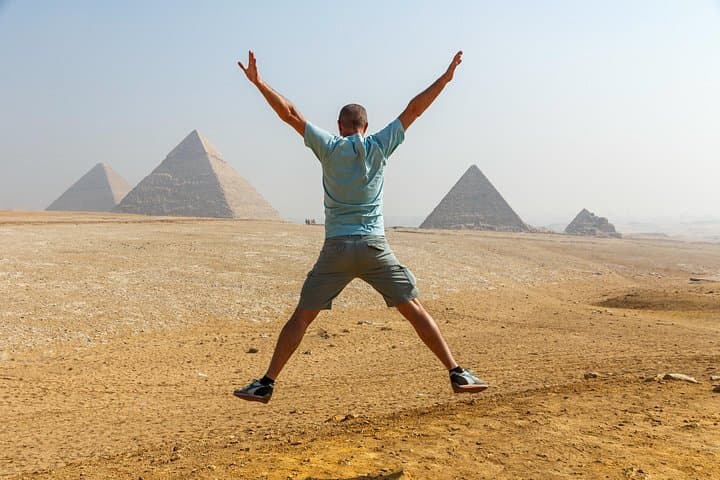
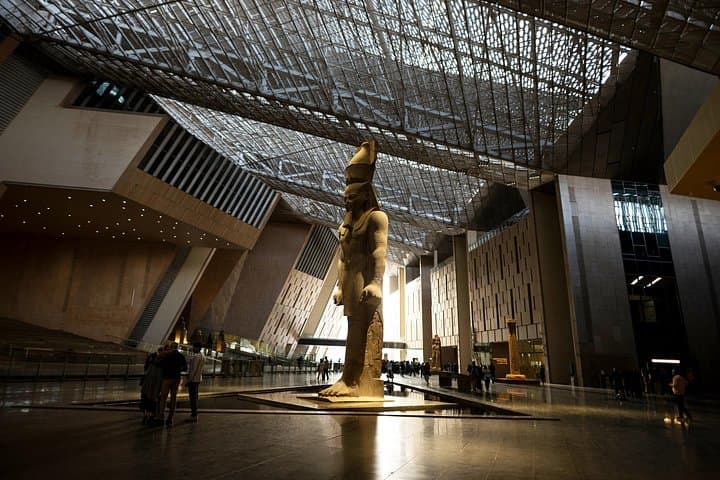
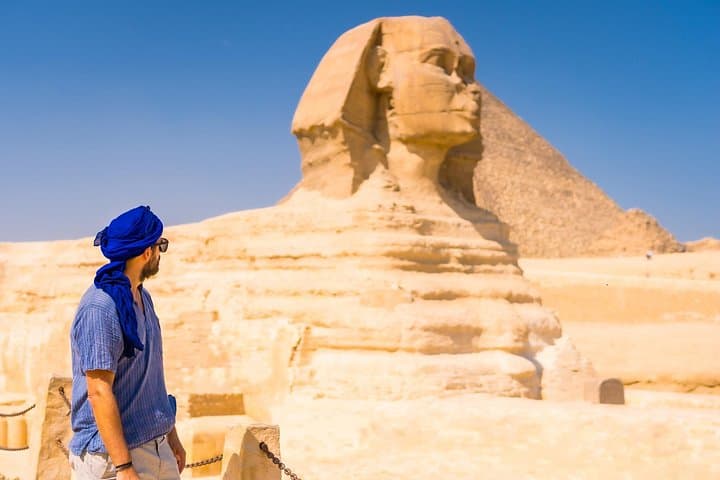
On the Giza Plateau, the pyramids rise like deliberate machines of stone. An Egyptologist guide maps pharaohs to tombs, explains mortar, quarrying, and the geological layers of Tura limestone that make the Sphinx both fragile and formidable. In the Grand Egyptian Museum modern glass and climate control protect thousands of objects; King Tutankhamun’s gold pieces sit beside statuary that stretches 5,000 years of Nile civilization.
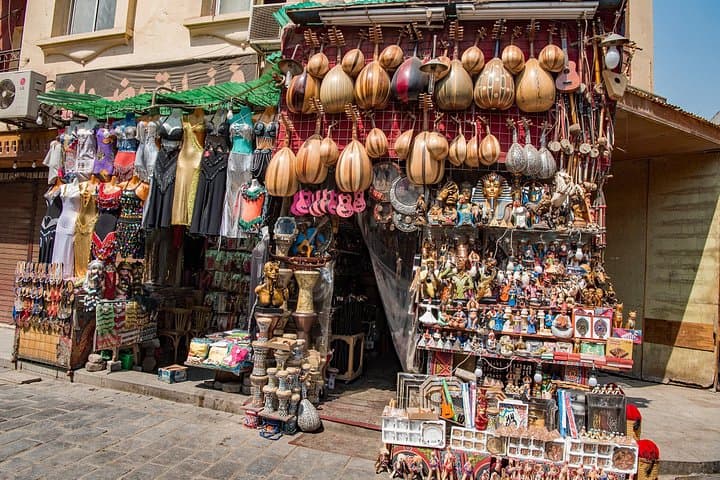
Khan El Khalili offers a different pulse: alleyways packed with spice, metalwork, and voices bargaining years of practice. The day stitches together geology, empire, religion, and modern Egyptian commerce into a readable arc — from desert geology to urban life.
Practicalities govern the rhythm. Expect a long day (most operators schedule 12–15 hours) with several short walks on uneven ground, lots of outdoor exposure, and time inside museum galleries. Entrance to major sites is typically included, though interior pyramid access can require an extra ticket. Bring sun protection, sturdy shoes, small local cash for vendors and tipping, and patience for traffic on the return. For travelers based in Hurghada this private option compresses Egypt’s deep past into a single intensive day — rewarding if you accept the distance and pace.
moderate.
12–15 hours.
Be prepared for long vehicle time and several short, possibly brisk, walks on uneven ground; basic mobility required.
The drive typically takes about 4–5 hours each way depending on traffic and stops, which is why the full day runs 12–15 hours.
Most standard tours include entrance to the Pyramids, Sphinx, and Grand Egyptian Museum, but interior pyramid access may require an additional ticket purchased on site.
The itinerary is family‑friendly and listed as suitable for all fitness levels, but there are uneven surfaces and short walks; notify the operator if mobility assistance or infant seats are required.
Dress conservatively out of respect — lightweight long sleeves and pants or a skirt are practical; comfortable closed shoes are recommended for archaeological sites.
The Giza Plateau dates to the Fourth Dynasty (c. 2600 BCE) and remains one of the most concentrated sites of ancient royal burial and funerary architecture in Egypt.
The Grand Egyptian Museum emphasizes conservation and climate‑controlled display to protect fragile artifacts; visitors are asked to follow photography and distance rules to minimize wear on exhibits.
Cleopatra Travel operates guided outdoor trips and adventures with an emphasis on safety, stewardship, and memorable experiences.
You leave Hurghada while the air is cool and the Red Sea coast still yawns behind you, settling into an air‑conditioned vehicle that eats miles of desert. The landscape is spare but insistent — low ridges and wind‑scoured sand that seem to push you toward the flattened horizon where Cairo’s silhouettes await.
You leave Hurghada while the air is cool and the Red Sea coast still yawns behind you, settling into an air‑conditioned vehicle that eats miles of desert. The landscape is spare but insistent — low ridges and wind‑scoured sand that seem to push you toward the flattened horizon where Cairo’s silhouettes await.
On the Giza Plateau, the pyramids rise like deliberate machines of stone. An Egyptologist guide maps pharaohs to tombs, explains mortar, quarrying, and the geological layers of Tura limestone that make the Sphinx both fragile and formidable. In the Grand Egyptian Museum modern glass and climate control protect thousands of objects; King Tutankhamun’s gold pieces sit beside statuary that stretches 5,000 years of Nile civilization.
Khan El Khalili offers a different pulse: alleyways packed with spice, metalwork, and voices bargaining years of practice. The day stitches together geology, empire, religion, and modern Egyptian commerce into a readable arc — from desert geology to urban life.
Practicalities govern the rhythm. Expect a long day (most operators schedule 12–15 hours) with several short walks on uneven ground, lots of outdoor exposure, and time inside museum galleries. Entrance to major sites is typically included, though interior pyramid access can require an extra ticket. Bring sun protection, sturdy shoes, small local cash for vendors and tipping, and patience for traffic on the return. For travelers based in Hurghada this private option compresses Egypt’s deep past into a single intensive day — rewarding if you accept the distance and pace.