THE ADVENTURE COLLECTIVE® · Independent discovery and booking for outdoor travel

Taste cocoa where Santander’s farms grow most of Colombia’s beans on a private Ruitoque tour. Learn cultivation and processing from pod to cup, explore shaded groves, and sample homemade hot chocolate.
Taste cocoa where Santander’s farms grow most of Colombia’s beans on a private Ruitoque tour. Learn cultivation and processing from pod to cup, explore shaded groves, and sample homemade hot chocolate.
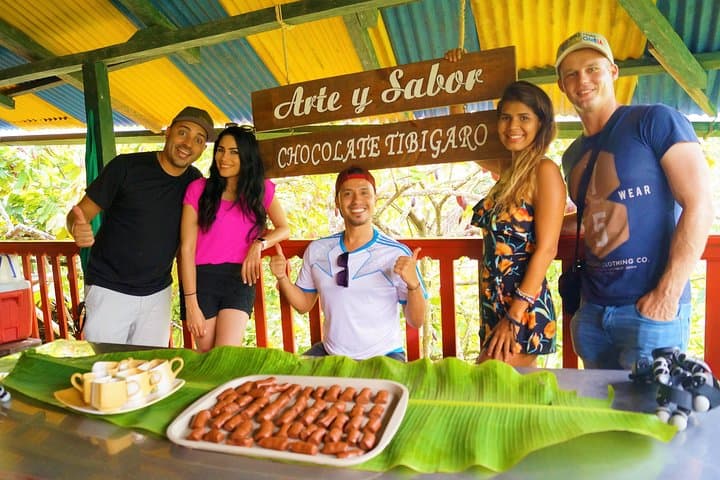
Dawn breaks over the rolling cocoa groves above Bucaramanga and the mountain air already smells faintly of chocolate. The tour begins with a short drive to Ruitoque Alto, where shaded rows of cocoa trees slope down toward distant ridgelines; leaves rustle and the farm’s cats and birds move through the understory as guides prepare a steaming cup of traditional hot chocolate.
Verified experiences and guided adventures in the surrounding area.
Operated by Wolf Tours Colombia · Bucaramanga, Santander
Dawn breaks over the rolling cocoa groves above Bucaramanga and the mountain air already smells faintly of chocolate. The tour begins with a short drive to Ruitoque Alto, where shaded rows of cocoa trees slope down toward distant ridgelines; leaves rustle and the farm’s cats and birds move through the understory as guides prepare a steaming cup of traditional hot chocolate.
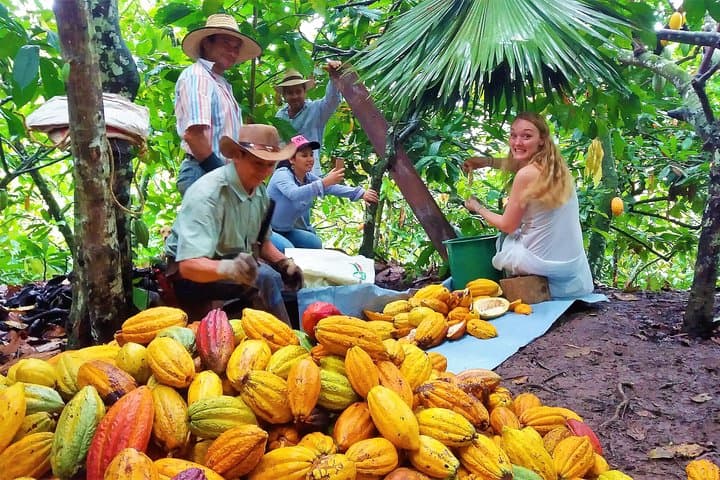
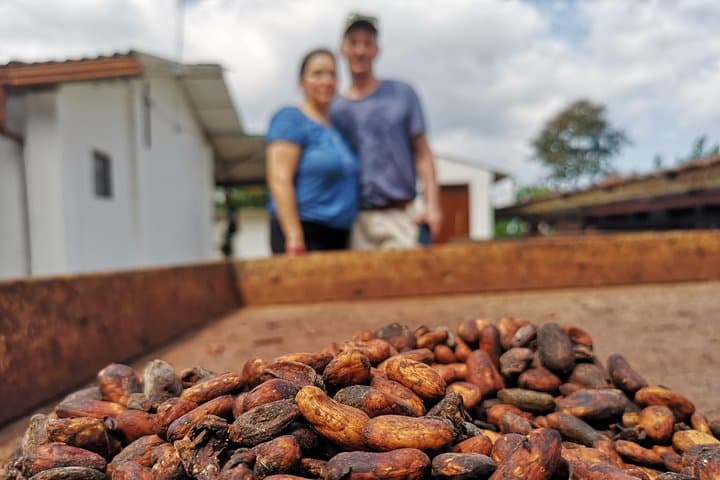
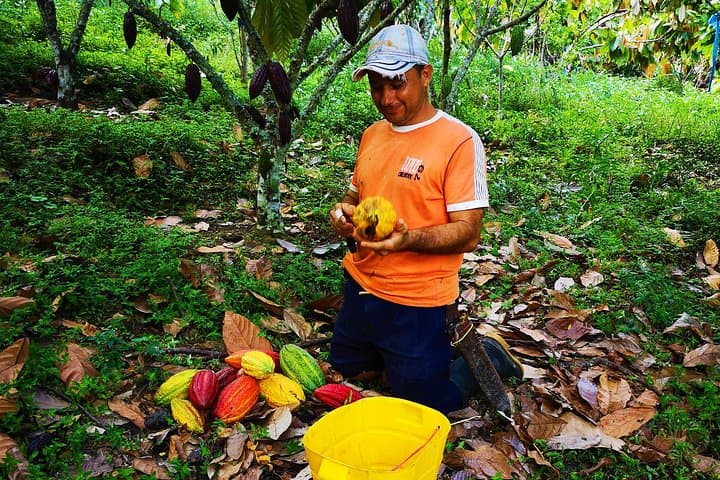
Santander produces over a quarter of Colombia’s cocoa, and these farms—around San Vicente de Chucurí, El Carmen and Rionegro—trace a farming tradition that blends Indigenous cultivation knowledge with colonial and post-colonial trade routes. The soils here are volcanic-derived and well-drained, producing cocoa with expressive fruity and floral notes. Local hosts will walk visitors through pod harvesting, bean fermentation, and drying before demonstrating roasting and grinding into chocolate that you taste hot and fresh.
Expect farm tracks and short, uneven paths with occasional slopes; the experience is largely interpretive rather than technical. The cultural highlight is the hands-on processing demonstration and time with family-run operations where you learn about community production and regional flavors.
Practical guidance: plan for a 3–5 hour window, arrive in the morning for cooler conditions and clearer views, and wear sturdy shoes and a light rain layer—tropical showers are common. Bring local currency for small purchases, a refillable water bottle, and an openness to take home single-origin chocolate and stories about land stewardship.
moderate.
3–5 hours.
Moderate fitness—able to walk short uneven slopes and stand during demonstrations for extended periods.
The private tour typically lasts between 3 and 5 hours, including transport time to Ruitoque Alto and the on-farm demonstration.
Yes—private transport to Ruitoque Alto is provided as part of the tour inclusions.
Yes—hosts provide a traditional hot chocolate tasting and walk visitors through harvesting, fermentation, drying and basic processing.
Yes—infants can ride in strollers and special infant seats are available, but some walking on uneven ground is required so supervision is recommended.
Cocoa cultivation in Santander has deep local roots; the region supplied both domestic markets and contributed to Colombia’s growing specialty-cocoa movement tied to smallholder farms.
Many farms practice shade-grown cocoa and small-scale fermentation to protect soil and biodiversity; visitors can support stewardship by buying directly from producers.
Wolf Tours Colombia operates guided outdoor trips and adventures with an emphasis on safety, stewardship, and memorable experiences.
Dawn breaks over the rolling cocoa groves above Bucaramanga and the mountain air already smells faintly of chocolate. The tour begins with a short drive to Ruitoque Alto, where shaded rows of cocoa trees slope down toward distant ridgelines; leaves rustle and the farm’s cats and birds move through the understory as guides prepare a steaming cup of traditional hot chocolate.
Dawn breaks over the rolling cocoa groves above Bucaramanga and the mountain air already smells faintly of chocolate. The tour begins with a short drive to Ruitoque Alto, where shaded rows of cocoa trees slope down toward distant ridgelines; leaves rustle and the farm’s cats and birds move through the understory as guides prepare a steaming cup of traditional hot chocolate.
Santander produces over a quarter of Colombia’s cocoa, and these farms—around San Vicente de Chucurí, El Carmen and Rionegro—trace a farming tradition that blends Indigenous cultivation knowledge with colonial and post-colonial trade routes. The soils here are volcanic-derived and well-drained, producing cocoa with expressive fruity and floral notes. Local hosts will walk visitors through pod harvesting, bean fermentation, and drying before demonstrating roasting and grinding into chocolate that you taste hot and fresh.
Expect farm tracks and short, uneven paths with occasional slopes; the experience is largely interpretive rather than technical. The cultural highlight is the hands-on processing demonstration and time with family-run operations where you learn about community production and regional flavors.
Practical guidance: plan for a 3–5 hour window, arrive in the morning for cooler conditions and clearer views, and wear sturdy shoes and a light rain layer—tropical showers are common. Bring local currency for small purchases, a refillable water bottle, and an openness to take home single-origin chocolate and stories about land stewardship.