THE ADVENTURE COLLECTIVE® · Independent discovery and booking for outdoor travel

Escape Cairo for a private six-hour skyride to Ain Sokhna: a 45-minute cable car over the Red Sea, entry fees and transfers included. Expect sweeping coastal views, short station walks, and practical tips for timing, gear, and accessibility.
Escape Cairo for a private six-hour skyride to Ain Sokhna: a 45-minute cable car over the Red Sea, entry fees and transfers included. Expect sweeping coastal views, short station walks, and practical tips for timing, gear, and accessibility.
You step out of Cairo’s morning traffic into a cooled private SUV and watch the city give way to scrubby desert and the distant profile of the Red Sea. After a roughly 150 km drive east, the cable car station at Ain Sokhna perches above the shoreline; the cars arrive like small islands, each one lifting you over wind-wrinkled water and bare, stratified ridges.
Verified experiences and guided adventures in the surrounding area.
Operated by Egyptian Daily Tours · Ain Sokhna, Suez Governorate
You step out of Cairo’s morning traffic into a cooled private SUV and watch the city give way to scrubby desert and the distant profile of the Red Sea. After a roughly 150 km drive east, the cable car station at Ain Sokhna perches above the shoreline; the cars arrive like small islands, each one lifting you over wind-wrinkled water and bare, stratified ridges.
Ain Sokhna sits on the Gulf of Suez, a corridor used by traders since Pharaonic times and carved by tectonic activity that exposed layered sediment and granite outcrops. The cable route traces that geology in miniature: cliffs and beaches, the sea daring you to look down. Local culture is practical and maritime — fishermen, resorts, and roadside cafés — more functional than ornate, with recent tourism infrastructure focused on beachgoers from Cairo.
Practical guidance: plan for a 6-hour round trip from Cairo with a 45-minute cable-car ride, entry fees, and a casual fast-food lunch included. The ride is photographic: shoot through the glass but secure your phone; light shifts quickly over the water. Wear supportive shoes for short walks at the top station, and layer up—sea breezes can feel sharp compared with the midday heat.
Accessibility is straightforward for most travelers, but the operator advises against participation for guests with serious spine, heart, or pregnancy restrictions. Bring sunscreen, a refillable bottle, and a small amount of local cash for souvenirs or extras; cell service is intermittent on exposed ridgelines. The trip is low-effort yet delivers a high, uncluttered view of Egypt’s eastern shoreline.
easy.
6 hours (including transfers).
Minimal fitness required—able to board cable car and handle short walks at stations.
Transfers typically take about 1.5–2 hours each way depending on traffic; the operator plans pickups from Cairo or Giza.
Yes—most ages can ride, but those with serious mobility or cardiovascular issues should consult the provider; infant seats are available in transfers.
Yes—this private experience includes entry fees and a casual lunch (McDonald’s) as listed; bottled water is also provided.
A compact viewing area with short walking paths and photo opportunities; facilities are basic—bring personal necessities.
Ain Sokhna has served as a Red Sea port since ancient Egyptian times and sits on a tectonic margin that exposed distinct sedimentary and igneous rocks.
Coastal development and increased visitors stress shallow reefs and shoreline habitats; stick to marked paths, avoid littering, and support local guides who follow sustainable practices.
Egyptian Daily Tours operates guided outdoor trips and adventures with an emphasis on safety, stewardship, and memorable experiences.
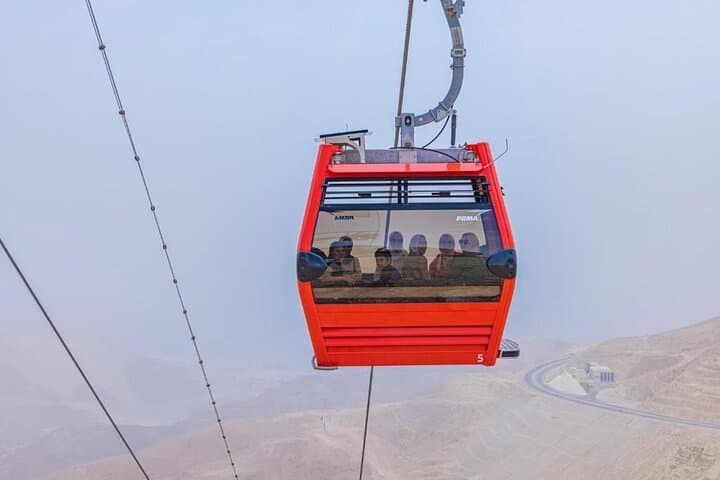
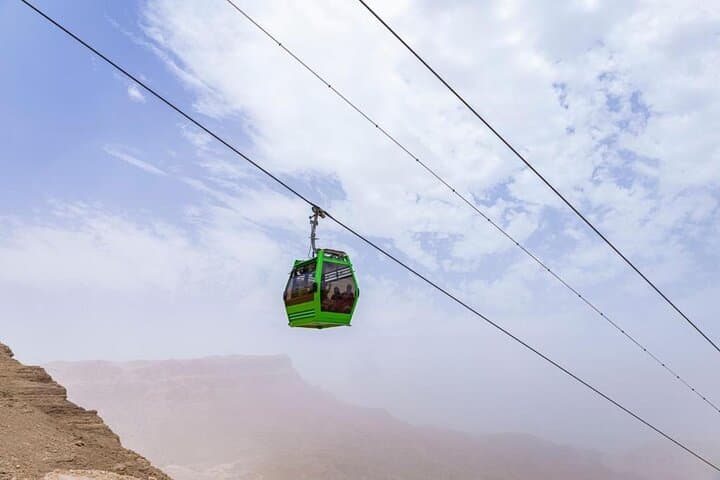
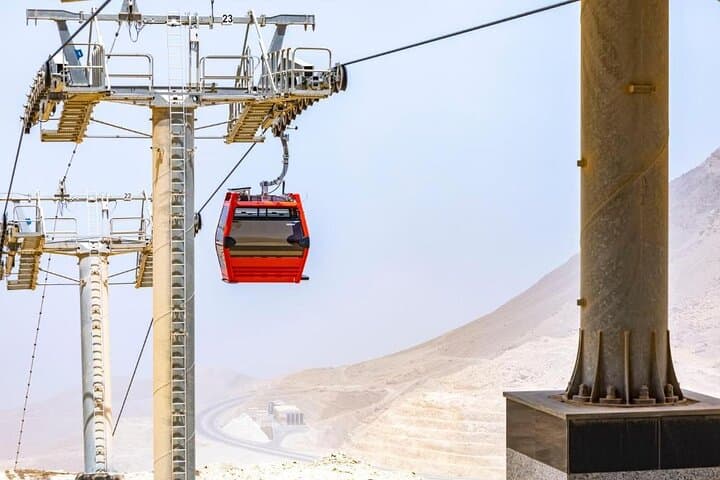
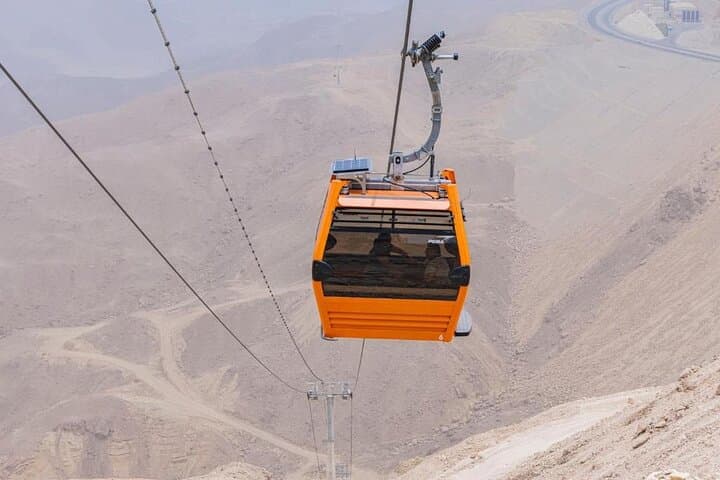
You step out of Cairo’s morning traffic into a cooled private SUV and watch the city give way to scrubby desert and the distant profile of the Red Sea. After a roughly 150 km drive east, the cable car station at Ain Sokhna perches above the shoreline; the cars arrive like small islands, each one lifting you over wind-wrinkled water and bare, stratified ridges.
You step out of Cairo’s morning traffic into a cooled private SUV and watch the city give way to scrubby desert and the distant profile of the Red Sea. After a roughly 150 km drive east, the cable car station at Ain Sokhna perches above the shoreline; the cars arrive like small islands, each one lifting you over wind-wrinkled water and bare, stratified ridges.
Ain Sokhna sits on the Gulf of Suez, a corridor used by traders since Pharaonic times and carved by tectonic activity that exposed layered sediment and granite outcrops. The cable route traces that geology in miniature: cliffs and beaches, the sea daring you to look down. Local culture is practical and maritime — fishermen, resorts, and roadside cafés — more functional than ornate, with recent tourism infrastructure focused on beachgoers from Cairo.
Practical guidance: plan for a 6-hour round trip from Cairo with a 45-minute cable-car ride, entry fees, and a casual fast-food lunch included. The ride is photographic: shoot through the glass but secure your phone; light shifts quickly over the water. Wear supportive shoes for short walks at the top station, and layer up—sea breezes can feel sharp compared with the midday heat.
Accessibility is straightforward for most travelers, but the operator advises against participation for guests with serious spine, heart, or pregnancy restrictions. Bring sunscreen, a refillable bottle, and a small amount of local cash for souvenirs or extras; cell service is intermittent on exposed ridgelines. The trip is low-effort yet delivers a high, uncluttered view of Egypt’s eastern shoreline.