THE ADVENTURE COLLECTIVE® · Independent discovery and booking for outdoor travel

Take a private five-hour coach trip from the capital to George Washington’s Mount Vernon for a guided walk through the mansion, gardens, blacksmith shop and river wharf. This tutorial-style tour pairs close-up historic interpretation with riverside landscape and working heritage exhibits.
Take a private five-hour coach trip from the capital to George Washington’s Mount Vernon for a guided walk through the mansion, gardens, blacksmith shop and river wharf. This tutorial-style tour pairs close-up historic interpretation with riverside landscape and working heritage exhibits.
You step off the air-conditioned coach onto a gravel drive that slopes down toward the Potomac, wind carrying the low, steady call of waterfowl and the clipped click of docent shoes. The white clapboard mansion fills your view—its broad piazza oriented to the river—and the estate feels like a working place rather than a museum: blacksmith smoke from the forge, horses in the stableyard, and gardens that still produce vegetables.
Verified experiences and guided adventures in the surrounding area.
Operated by Monumental Tours Inc. · Mount Vernon, Virginia
You step off the air-conditioned coach onto a gravel drive that slopes down toward the Potomac, wind carrying the low, steady call of waterfowl and the clipped click of docent shoes. The white clapboard mansion fills your view—its broad piazza oriented to the river—and the estate feels like a working place rather than a museum: blacksmith smoke from the forge, horses in the stableyard, and gardens that still produce vegetables.
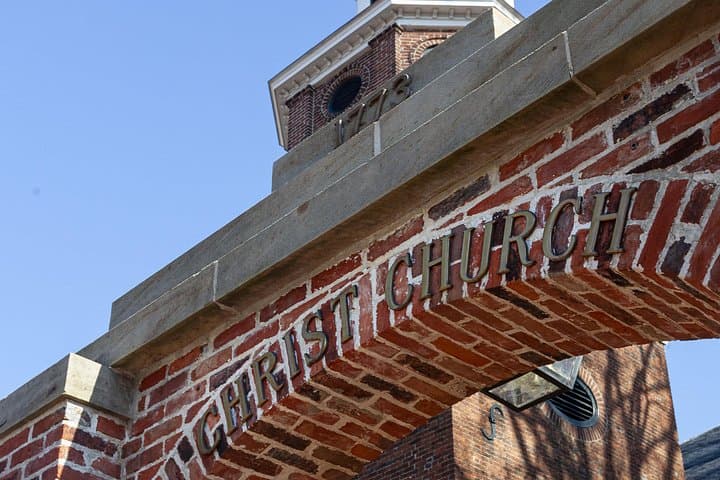
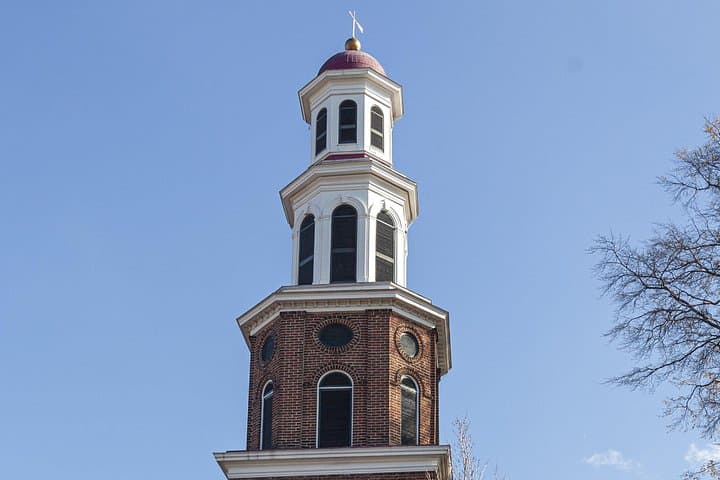
Mount Vernon sits on the Atlantic Coastal Plain where the Potomac widens into slow water and marsh fringe. The site evolved from an 18th-century tobacco plantation into George Washington’s lifelong home; the estate’s architecture and landscape reflect colonial agrarian practices and the complicated history of the enslaved people who lived and labored there. Nearby Old Town Alexandria and the Christ Church Washington attended connect the house to regional civic life, while the Masonic Memorial visible en route speaks to later commemorations.
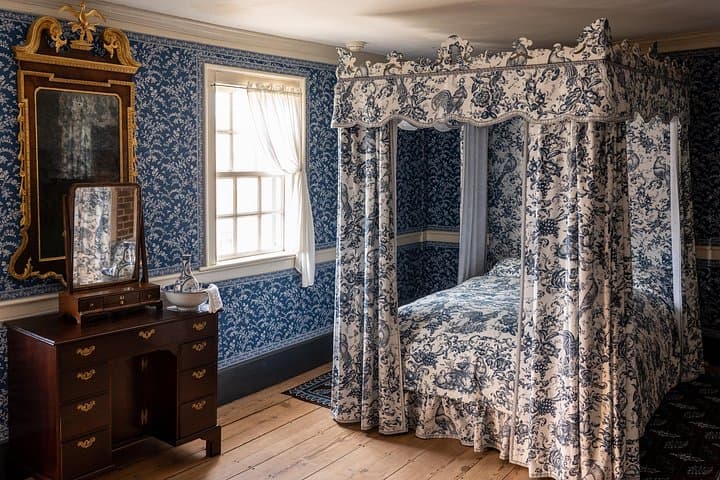
On a typical five-hour private tour you’ll see the restored mansion rooms, the 16-sided barn, blacksmith shop, tomb, wharf, and the Wilderness Trail. Practical notes: wear stable shoes for gravel paths and uneven thresholds; expect stairs in the mansion; bring sun protection and a small refillable bottle even though bottled water is provided. Morning visits are quieter and cooler; summer can be hot and humid, spring brings active gardens and nesting birds. Respect signage around reconstructed slave quarters and the tomb—this is a historic site with active interpretation. The tour balances polished storytelling with tangible, walkable history—ideal for travelers who want direct contact with early American life and the riverside landscape that shaped it.
easy.
5 hours.
Suitable for most travelers; involves several short walks, standing during tours, and climbing a few stairs inside the mansion.
No; the tour description notes the tour is not wheelchair accessible. Contact the operator ahead of time to discuss accommodations or alternative access options.
Yes; this private tour includes admission to Mount Vernon and private air-conditioned transportation for up to 12 people—confirm pickup point on booking.
Photography rules vary by room; exterior and grounds photos are generally allowed, but follow docent instructions and posted signs inside the mansion.
Restrooms and a café are available at Mount Vernon; the tour provides bottled water but plan for any full meals before or after the visit depending on your schedule.
Mount Vernon grew from a mid-18th-century tobacco plantation into George and Martha Washington’s estate; the property’s buildings and landscape were shaped by both paid labor and the enslaved community whose lives are now part of the public interpretation.
The Mount Vernon Ladies’ Association and the estate’s stewardship programs focus on historic preservation, archaeological research, and sustainable landscape practices to limit visitor impact on sensitive riverbank habitats.
Monumental Tours Inc. operates guided outdoor trips and adventures with an emphasis on safety, stewardship, and memorable experiences.
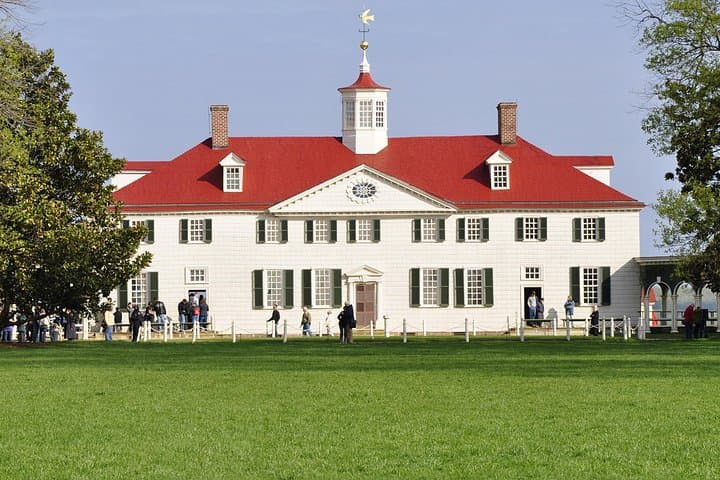
You step off the air-conditioned coach onto a gravel drive that slopes down toward the Potomac, wind carrying the low, steady call of waterfowl and the clipped click of docent shoes. The white clapboard mansion fills your view—its broad piazza oriented to the river—and the estate feels like a working place rather than a museum: blacksmith smoke from the forge, horses in the stableyard, and gardens that still produce vegetables.
You step off the air-conditioned coach onto a gravel drive that slopes down toward the Potomac, wind carrying the low, steady call of waterfowl and the clipped click of docent shoes. The white clapboard mansion fills your view—its broad piazza oriented to the river—and the estate feels like a working place rather than a museum: blacksmith smoke from the forge, horses in the stableyard, and gardens that still produce vegetables.
Mount Vernon sits on the Atlantic Coastal Plain where the Potomac widens into slow water and marsh fringe. The site evolved from an 18th-century tobacco plantation into George Washington’s lifelong home; the estate’s architecture and landscape reflect colonial agrarian practices and the complicated history of the enslaved people who lived and labored there. Nearby Old Town Alexandria and the Christ Church Washington attended connect the house to regional civic life, while the Masonic Memorial visible en route speaks to later commemorations.
On a typical five-hour private tour you’ll see the restored mansion rooms, the 16-sided barn, blacksmith shop, tomb, wharf, and the Wilderness Trail. Practical notes: wear stable shoes for gravel paths and uneven thresholds; expect stairs in the mansion; bring sun protection and a small refillable bottle even though bottled water is provided. Morning visits are quieter and cooler; summer can be hot and humid, spring brings active gardens and nesting birds. Respect signage around reconstructed slave quarters and the tomb—this is a historic site with active interpretation. The tour balances polished storytelling with tangible, walkable history—ideal for travelers who want direct contact with early American life and the riverside landscape that shaped it.