THE ADVENTURE COLLECTIVE® · Independent discovery and booking for outdoor travel

Spend a private day exploring Burgundy’s Côte d'Or with a licensed guide—walk historic Dijon, taste Beaune wines and follow the Route des Grands Crus by train, ebike or vehicle. Practical, adaptable and steeped in terroir, this tour combines village charm with deep local knowledge.
Spend a private day exploring Burgundy’s Côte d'Or with a licensed guide—walk historic Dijon, taste Beaune wines and follow the Route des Grands Crus by train, ebike or vehicle. Practical, adaptable and steeped in terroir, this tour combines village charm with deep local knowledge.
Step off a station platform into a light washed with vine leaves and the dry scent of limestone; the guide gestures toward a row of steep, narrow plots that climb the Côte d'Or. A private day with a professional guide in Burgundy moves at your pace—walking Dijon’s medieval lanes, pausing in Beaune for a market bite, then following the Route des Grands Crus past villages like Nuits‑Saint‑Georges and Meursault.
Verified experiences and guided adventures in the surrounding area.
Operated by Visit-France.org · Beaune, Bourgogne-Franche-Comté
Step off a station platform into a light washed with vine leaves and the dry scent of limestone; the guide gestures toward a row of steep, narrow plots that climb the Côte d'Or. A private day with a professional guide in Burgundy moves at your pace—walking Dijon’s medieval lanes, pausing in Beaune for a market bite, then following the Route des Grands Crus past villages like Nuits‑Saint‑Georges and Meursault.
The region’s story is geological as much as cultural: Jurassic limestone and marl give Pinot Noir and Chardonnay their structure, while centuries of monastic winemaking shaped parcel boundaries and village names. Expect conversations about terroir and appellation as readily as local history—palaces, hospices and cooperative cellars all map the region’s past.
This is practical touring: routes range from gentle town strolls to a full 8–10 hour itinerary covering the 60‑km Grand Crus road by train, ebike or private vehicle. Tastings at cellars typically aren’t included, so reserve seats for popular domaines in advance. Mobility access is generally good—many stops are wheelchair friendly—but narrow streets and uneven cellar steps mean a heads‑up for those with limited mobility.
Plan for variable weather—sun can feel strong between vine rows; rain makes rural lanes slick. Wear supportive shoes, bring a refillable water bottle and allow time for unplanned pulls into a village pâtisserie. A private guide turns logistics into a layer of ease: they read train schedules, open doors to lesser known domaines, and keep a full day moving so you can focus on tasting, walking and listening to the land.
easy.
8–10 hours.
Suitable for travelers in average fitness; involves several hours of walking and short standing tastings—able to manage uneven surfaces.
Tastings are typically not included; the guide arranges visits and recommends reservations, but you should expect to pay tasting fees at each domaine.
Yes—the tour notes wheelchair accessibility and transportation that accommodates mobility devices, but some historic cellars and village streets may have steps; inform the operator when booking.
Private transportation, trains, trams and optional e‑bikes are available depending on your booking choice—confirm the mode when you reserve the guide.
The Route des Grands Crus covers roughly 60 km along the Côte d'Or; a full‑day private itinerary will sample select villages rather than the entire route.
Burgundy’s viticultural map was drawn by medieval monasteries; Cistercian and Benedictine orders established many parcels that later became named vineyards and appellations.
Vineyard margins and hedgerows support biodiversity; many domaines practice sustainable viticulture and visitors are encouraged to respect private plots and avoid trampling vines.
Visit-France.org operates guided outdoor trips and adventures with an emphasis on safety, stewardship, and memorable experiences.
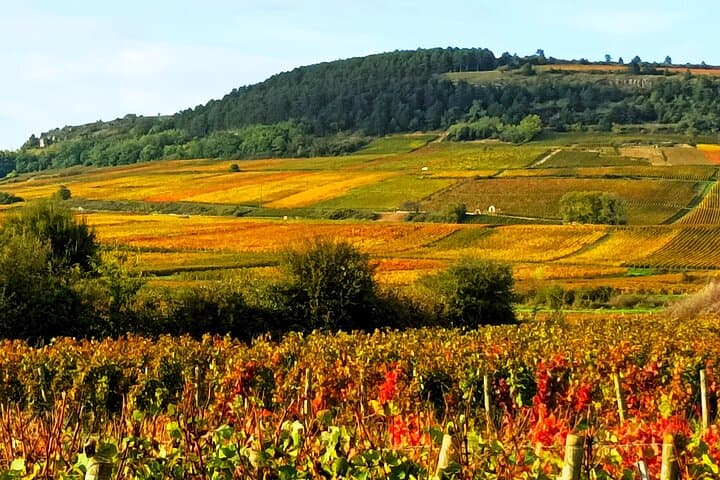
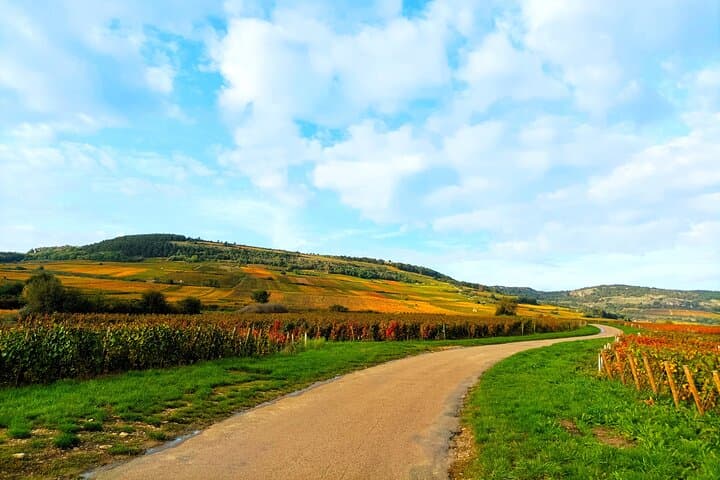
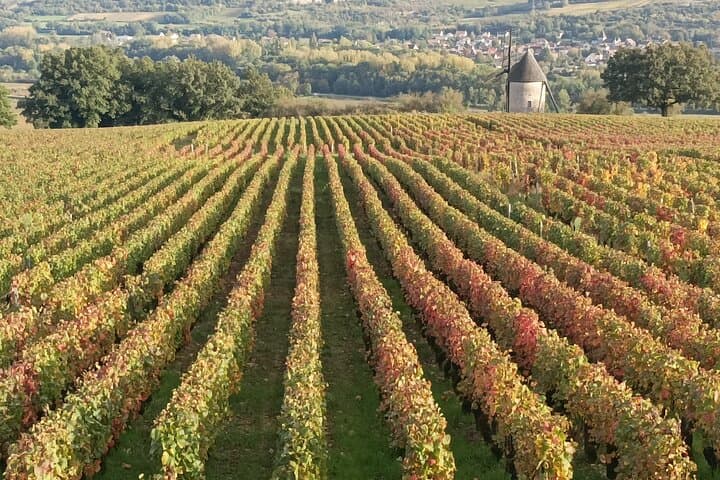
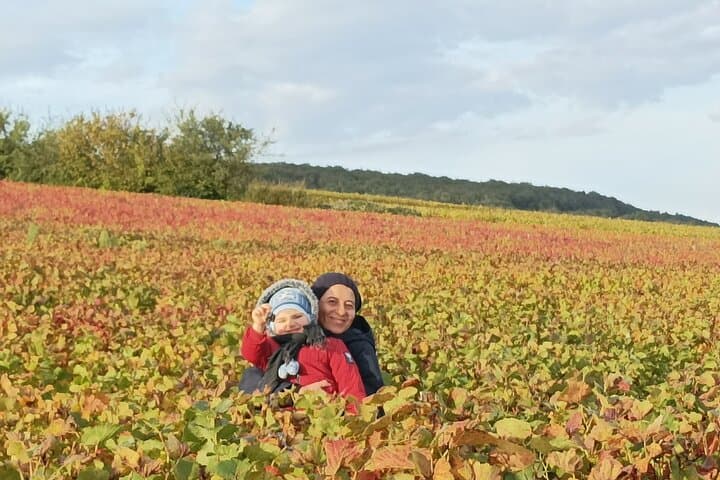
Step off a station platform into a light washed with vine leaves and the dry scent of limestone; the guide gestures toward a row of steep, narrow plots that climb the Côte d'Or. A private day with a professional guide in Burgundy moves at your pace—walking Dijon’s medieval lanes, pausing in Beaune for a market bite, then following the Route des Grands Crus past villages like Nuits‑Saint‑Georges and Meursault.
Step off a station platform into a light washed with vine leaves and the dry scent of limestone; the guide gestures toward a row of steep, narrow plots that climb the Côte d'Or. A private day with a professional guide in Burgundy moves at your pace—walking Dijon’s medieval lanes, pausing in Beaune for a market bite, then following the Route des Grands Crus past villages like Nuits‑Saint‑Georges and Meursault.
The region’s story is geological as much as cultural: Jurassic limestone and marl give Pinot Noir and Chardonnay their structure, while centuries of monastic winemaking shaped parcel boundaries and village names. Expect conversations about terroir and appellation as readily as local history—palaces, hospices and cooperative cellars all map the region’s past.
This is practical touring: routes range from gentle town strolls to a full 8–10 hour itinerary covering the 60‑km Grand Crus road by train, ebike or private vehicle. Tastings at cellars typically aren’t included, so reserve seats for popular domaines in advance. Mobility access is generally good—many stops are wheelchair friendly—but narrow streets and uneven cellar steps mean a heads‑up for those with limited mobility.
Plan for variable weather—sun can feel strong between vine rows; rain makes rural lanes slick. Wear supportive shoes, bring a refillable water bottle and allow time for unplanned pulls into a village pâtisserie. A private guide turns logistics into a layer of ease: they read train schedules, open doors to lesser known domaines, and keep a full day moving so you can focus on tasting, walking and listening to the land.