THE ADVENTURE COLLECTIVE® · Independent discovery and booking for outdoor travel

Five hours of concentrated Buenos Aires: Plaza de Mayo’s history, San Telmo’s bohemian lanes, the painted houses of Caminito and modern Puerto Madero. A bilingual local guide brings politics, art and football to life while you walk between the city’s most iconic sites.
Five hours of concentrated Buenos Aires: Plaza de Mayo’s history, San Telmo’s bohemian lanes, the painted houses of Caminito and modern Puerto Madero. A bilingual local guide brings politics, art and football to life while you walk between the city’s most iconic sites.
A humid morning in Buenos Aires begins at Plaza de Mayo, where the pink face of the Casa Rosada looks out over centuries of public life. The city moves around you — street vendors, a tram of tourists, the distant horn of a colectivo — and a bilingual guide threads stories through the bustle: the military parades, the riots, the private tragedies that shaped Argentina's political core.
Verified experiences and guided adventures in the surrounding area.
Operated by VIARG · Buenos Aires, Buenos Aires
A humid morning in Buenos Aires begins at Plaza de Mayo, where the pink face of the Casa Rosada looks out over centuries of public life. The city moves around you — street vendors, a tram of tourists, the distant horn of a colectivo — and a bilingual guide threads stories through the bustle: the military parades, the riots, the private tragedies that shaped Argentina's political core.
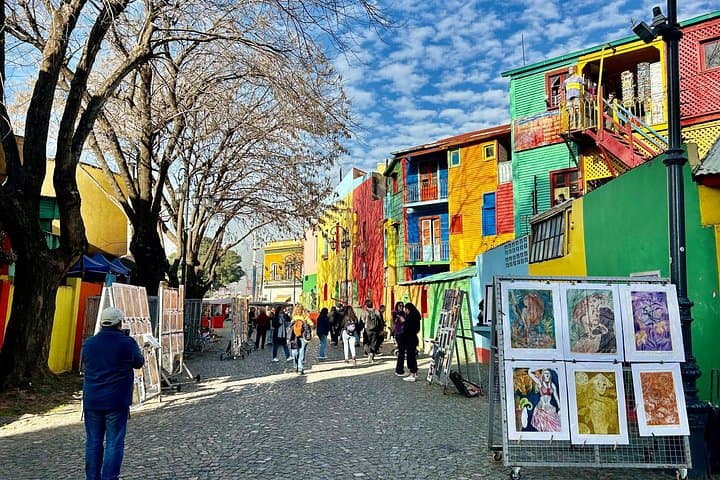
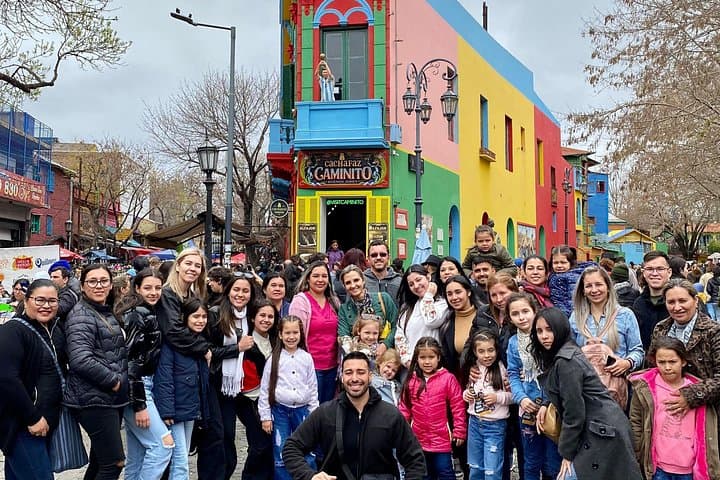
This five-hour private tour stitches together the city’s contrasting chapters. You’ll stop at the Obelisk, a 1936 monument marking Buenos Aires’ modern ambitions, walk the cobbled alleys of San Telmo where immigrant warehouses gave rise to tango, and feel the salt‑tinged air near La Boca’s Caminito, born of Italian dockworkers and painted sheet-metal houses. Geology here is urban — reclaimed riverbanks and port fill that shaped Puerto Madero’s glass towers; Palermo’s parks sit on low alluvial terraces once shaped by the Río de la Plata.
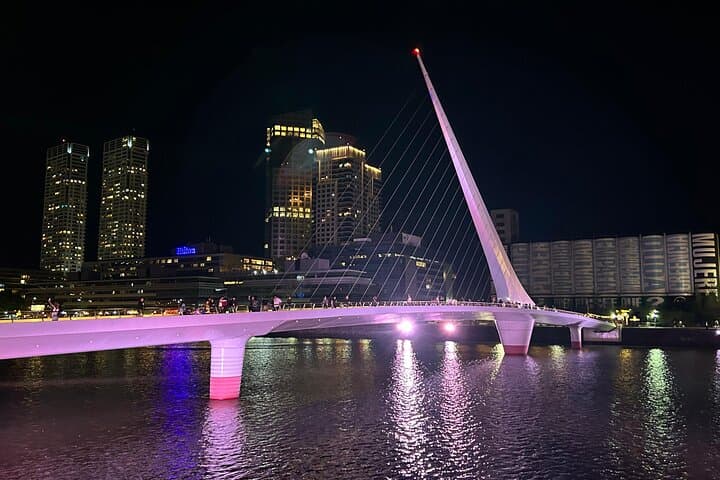
Pause for culture at Recoleta Cemetery and the Ateneo Grand Splendid, then cross the Puente de la Mujer for a view of the city’s recent regeneration. Local insights include tango’s working-class roots, the stadium devotion at La Bombonera, and why Porteños guard their coffee rituals.
Practical guidance: wear comfortable shoes for cobbles and light city walking, carry water and sun protection, and plan the tour earlier or later in the day to avoid peak heat and traffic. The private format means the guide can tailor stops and pacing — ideal for first-time visitors who want context as well as photographs.
easy.
5 hours.
Light urban walking; suitable for most fitness levels but expect repeated short walks and standing at points of interest.
This private tour typically offers pickup in central Buenos Aires; confirm your pickup point at booking and provide full address.
The tour is private—group size is based on your booking; confirm maximum participants with the operator before reserving.
Admission to attractions is generally not included; the itinerary lists stops and the guide can advise which sites require separate tickets.
Many route segments are stroller-friendly, but cobbled streets and steps at some sites may limit full wheelchair access; check specific access needs when booking.
Buenos Aires grew from a 16th‑century port into Argentina’s political and cultural center; Plaza de Mayo has been the stage for revolutions, protests and national ceremonies for two centuries.
Urban restoration projects in Puerto Madero and park management in Palermo focus on reducing vehicle impact and preserving green spaces; visitors are encouraged to follow local waste and wildlife guidelines.
VIARG operates guided outdoor trips and adventures with an emphasis on safety, stewardship, and memorable experiences.
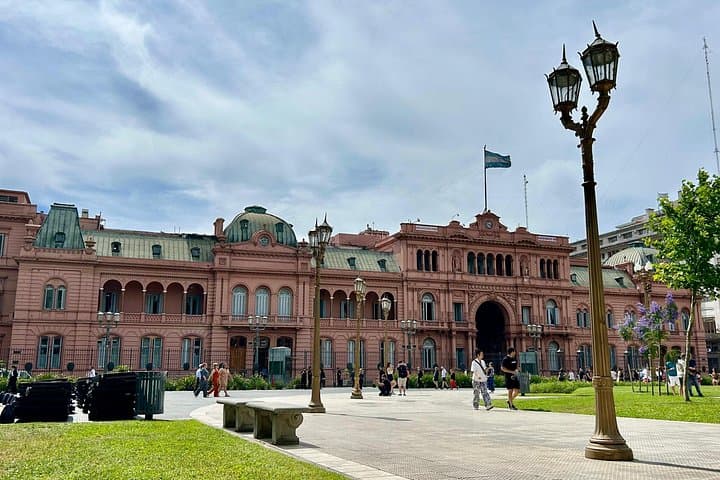
A humid morning in Buenos Aires begins at Plaza de Mayo, where the pink face of the Casa Rosada looks out over centuries of public life. The city moves around you — street vendors, a tram of tourists, the distant horn of a colectivo — and a bilingual guide threads stories through the bustle: the military parades, the riots, the private tragedies that shaped Argentina's political core.
A humid morning in Buenos Aires begins at Plaza de Mayo, where the pink face of the Casa Rosada looks out over centuries of public life. The city moves around you — street vendors, a tram of tourists, the distant horn of a colectivo — and a bilingual guide threads stories through the bustle: the military parades, the riots, the private tragedies that shaped Argentina's political core.
This five-hour private tour stitches together the city’s contrasting chapters. You’ll stop at the Obelisk, a 1936 monument marking Buenos Aires’ modern ambitions, walk the cobbled alleys of San Telmo where immigrant warehouses gave rise to tango, and feel the salt‑tinged air near La Boca’s Caminito, born of Italian dockworkers and painted sheet-metal houses. Geology here is urban — reclaimed riverbanks and port fill that shaped Puerto Madero’s glass towers; Palermo’s parks sit on low alluvial terraces once shaped by the Río de la Plata.
Pause for culture at Recoleta Cemetery and the Ateneo Grand Splendid, then cross the Puente de la Mujer for a view of the city’s recent regeneration. Local insights include tango’s working-class roots, the stadium devotion at La Bombonera, and why Porteños guard their coffee rituals.
Practical guidance: wear comfortable shoes for cobbles and light city walking, carry water and sun protection, and plan the tour earlier or later in the day to avoid peak heat and traffic. The private format means the guide can tailor stops and pacing — ideal for first-time visitors who want context as well as photographs.