THE ADVENTURE COLLECTIVE® · Independent discovery and booking for outdoor travel

Combine a private guided walk through Budapest’s layered streets with a guided visit to Széchenyi Thermal Bath. Learn local history and bath etiquette, then unwind in mineral-rich pools—locker and entrance included.
Combine a private guided walk through Budapest’s layered streets with a guided visit to Széchenyi Thermal Bath. Learn local history and bath etiquette, then unwind in mineral-rich pools—locker and entrance included.
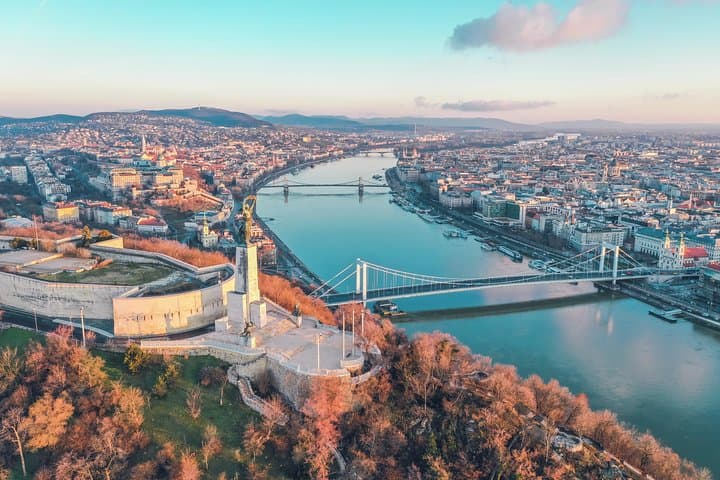
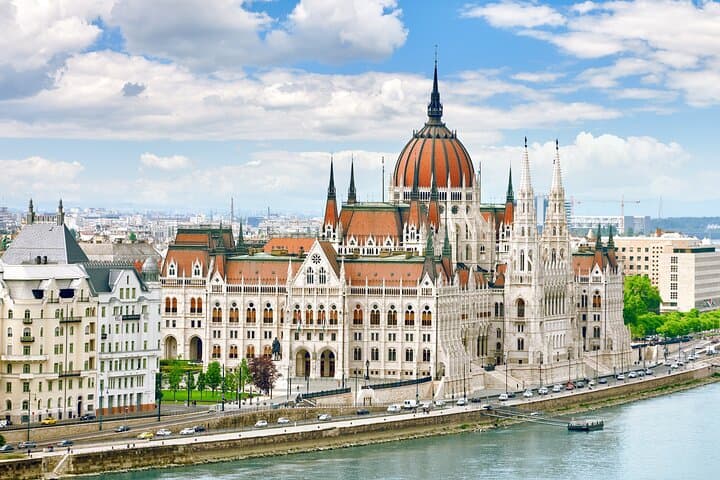
You step from a cobbled avenue into a square of steam: the outdoor pools at Széchenyi breathe clouds into cold air while neo-Baroque façades watch like careful hosts. A local guide leads you through the city’s layered streets—ringing trams, war-scarred facades, and café tables—then hands you a ticket and a locker key for a ritual that has defined Budapest for more than a century.
Verified experiences and guided adventures in the surrounding area.
Operated by Yo Tours · Budapest, Budapest
You step from a cobbled avenue into a square of steam: the outdoor pools at Széchenyi breathe clouds into cold air while neo-Baroque façades watch like careful hosts. A local guide leads you through the city’s layered streets—ringing trams, war-scarred facades, and café tables—then hands you a ticket and a locker key for a ritual that has defined Budapest for more than a century.
The Széchenyi Thermal Bath opened in 1913 atop thermal springs that have long been prized for mineral-rich waters fed by Hungary’s Pannonian Basin geology. Baths are woven into local life: Ottoman soak traditions, 19th-century spa medicine, and contemporary social bathing converge here. Your guide will point out architectural details, explain bathing etiquette, and suggest which pools and saunas to try.
Expect a balanced experience: roughly two hours of walking and two hours inside the baths (total tour about four hours). Pools range from tepid to hot; outdoor thermal pools steam in cold weather and welcome lingering swims in summer. Lockers and changing rooms are provided, and the tour includes entrance with a locker. Note the health warnings—pregnant visitors and people with cardiovascular problems should avoid the hottest pools.
Practical tips: arrive with a swimsuit and flip-flops, stay hydrated, and leave valuables at your accommodation or in the secured locker. Mornings and late afternoons are less crowded; weekends and public holidays fill quickly. This is a cultural soak as much as a soak for the body—relax, follow local rules, and let the warm water push you toward calm and clarity.
easy.
3–4 hours.
Suitable for most fitness levels; involves easy urban walking and short periods standing in changing areas.
Yes—the tour includes entrance and a locker; you’ll receive a locker key on arrival.
Basic towel or robe rentals may be available at the bath for a fee, but bringing your own towel is recommended.
The tour is family-friendly but infants must sit on a guardian’s lap; very young children should be supervised in pools and kept out of the hottest pools.
The tour is private and led by a local guide; language options depend on provider availability—confirm at booking.
Széchenyi opened in 1913 and sits atop thermal springs tapped since the 19th century; its neo-Baroque bath complex reflects Budapest’s turn-of-the-century spa culture.
The baths are managed for health and safety—follow signage to reduce chemical disinfectant needs and avoid glass items in pool areas to protect the facility and other visitors.
Yo Tours operates guided outdoor trips and adventures with an emphasis on safety, stewardship, and memorable experiences.
You step from a cobbled avenue into a square of steam: the outdoor pools at Széchenyi breathe clouds into cold air while neo-Baroque façades watch like careful hosts. A local guide leads you through the city’s layered streets—ringing trams, war-scarred facades, and café tables—then hands you a ticket and a locker key for a ritual that has defined Budapest for more than a century.
You step from a cobbled avenue into a square of steam: the outdoor pools at Széchenyi breathe clouds into cold air while neo-Baroque façades watch like careful hosts. A local guide leads you through the city’s layered streets—ringing trams, war-scarred facades, and café tables—then hands you a ticket and a locker key for a ritual that has defined Budapest for more than a century.
The Széchenyi Thermal Bath opened in 1913 atop thermal springs that have long been prized for mineral-rich waters fed by Hungary’s Pannonian Basin geology. Baths are woven into local life: Ottoman soak traditions, 19th-century spa medicine, and contemporary social bathing converge here. Your guide will point out architectural details, explain bathing etiquette, and suggest which pools and saunas to try.
Expect a balanced experience: roughly two hours of walking and two hours inside the baths (total tour about four hours). Pools range from tepid to hot; outdoor thermal pools steam in cold weather and welcome lingering swims in summer. Lockers and changing rooms are provided, and the tour includes entrance with a locker. Note the health warnings—pregnant visitors and people with cardiovascular problems should avoid the hottest pools.
Practical tips: arrive with a swimsuit and flip-flops, stay hydrated, and leave valuables at your accommodation or in the secured locker. Mornings and late afternoons are less crowded; weekends and public holidays fill quickly. This is a cultural soak as much as a soak for the body—relax, follow local rules, and let the warm water push you toward calm and clarity.