THE ADVENTURE COLLECTIVE® · Independent discovery and booking for outdoor travel

Explore Budapest by bike on a private route that covers Andrássy Avenue, City Park, the Parliament riverside and Gellért Hill. Choose an e‑bike for easier hills and customize stops to match your interests.
Explore Budapest by bike on a private route that covers Andrássy Avenue, City Park, the Parliament riverside and Gellért Hill. Choose an e‑bike for easier hills and customize stops to match your interests.
You set off from Madách Imre street as the city wakes: trams clatter, bakeries steam, and the Danube flashes between stone bridges. On two wheels the grid of Pest opens quickly — wide boulevards, ornate façades of Andrássy Avenue, and the patchwork green of City Park rolling up to Heroes' Square.
Verified experiences and guided adventures in the surrounding area.
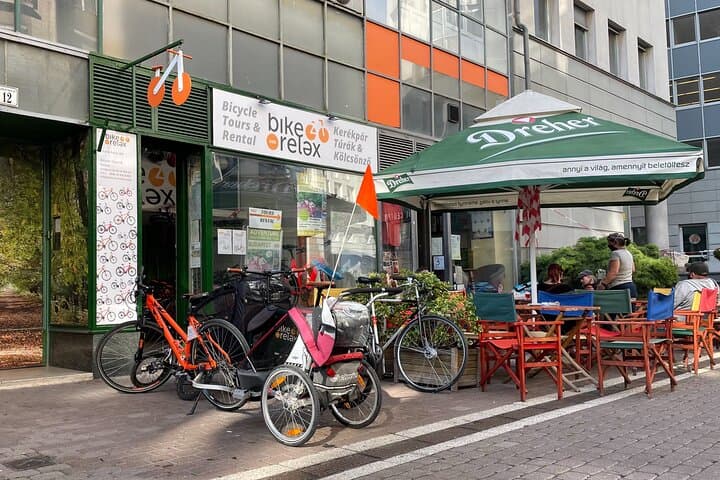
Operated by BIKE & RELAX - Bike Tours and Bike Rental · Budapest, Budapest
You set off from Madách Imre street as the city wakes: trams clatter, bakeries steam, and the Danube flashes between stone bridges. On two wheels the grid of Pest opens quickly — wide boulevards, ornate façades of Andrássy Avenue, and the patchwork green of City Park rolling up to Heroes' Square.
Budapest wears its history on every corner. Late-19th-century architects rebuilt the city during the Dual Monarchy, leaving UNESCO-protected boulevards and grand civic buildings. Ottoman-era thermal baths still steam where thermal springs rise through limestone; the river has long been the lifeline between commercial Pest and the fortified heights of Buda.
Culture here is public and mobile: market halls, ruin pubs in the Jewish Quarter, and riverside promenades where locals take their evening fröccs. Geologically the city sits on hot springs and Pannonian plains, which gives way to the low Buda hills — expect flat stretches for easy riding and short, steep ramps where bridges or riverbanks meet hills.
Practical: routes typically run 10–20 km depending on stops, with minimal elevation gain apart from a short climb toward Gellért Hill. A private tour lets you pace the ride, choose e-bikes if you prefer assisted pedaling, and tailor stops. Bring a helmet (provided but recommended), carry water, wear closed shoes, and plan for traffic at major junctions. Aim for morning or late afternoon for softer light and fewer tourists. Communicate accessibility needs and weight limits in advance if you require an infant seat or e-bike sizing.
moderate.
2–4 hours.
Moderate fitness: comfortable with 10–20 km of urban cycling and brief climbs; e‑bikes reduce effort.
E‑bikes are an optional upgrade; request them at booking as availability is limited and there may be weight/height restrictions.
Infant seats are available for small children; participants underage must be accompanied by adults — confirm at booking.
This tour recommends moderate fitness and basic bike handling in traffic; it's not suitable for absolute beginners.
Tours can be canceled for heavy rain; the operator requests cancellations at least 24 hours for a full refund per policy.
Budapest’s 19th-century rebuilding under the Austro-Hungarian Empire created Andrássy Avenue and linked grand civic monuments that define the city today.
Biking is a low-impact way to see the city; stay on public routes, avoid tram tracks where possible, and carry out any waste to reduce pressure on parklands.
BIKE & RELAX - Bike Tours and Bike Rental operates guided outdoor trips and adventures with an emphasis on safety, stewardship, and memorable experiences.
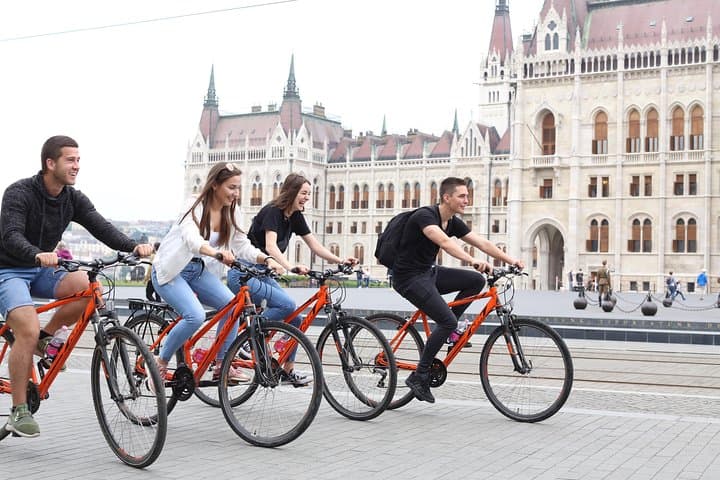
You set off from Madách Imre street as the city wakes: trams clatter, bakeries steam, and the Danube flashes between stone bridges. On two wheels the grid of Pest opens quickly — wide boulevards, ornate façades of Andrássy Avenue, and the patchwork green of City Park rolling up to Heroes' Square.
You set off from Madách Imre street as the city wakes: trams clatter, bakeries steam, and the Danube flashes between stone bridges. On two wheels the grid of Pest opens quickly — wide boulevards, ornate façades of Andrássy Avenue, and the patchwork green of City Park rolling up to Heroes' Square.
Budapest wears its history on every corner. Late-19th-century architects rebuilt the city during the Dual Monarchy, leaving UNESCO-protected boulevards and grand civic buildings. Ottoman-era thermal baths still steam where thermal springs rise through limestone; the river has long been the lifeline between commercial Pest and the fortified heights of Buda.
Culture here is public and mobile: market halls, ruin pubs in the Jewish Quarter, and riverside promenades where locals take their evening fröccs. Geologically the city sits on hot springs and Pannonian plains, which gives way to the low Buda hills — expect flat stretches for easy riding and short, steep ramps where bridges or riverbanks meet hills.
Practical: routes typically run 10–20 km depending on stops, with minimal elevation gain apart from a short climb toward Gellért Hill. A private tour lets you pace the ride, choose e-bikes if you prefer assisted pedaling, and tailor stops. Bring a helmet (provided but recommended), carry water, wear closed shoes, and plan for traffic at major junctions. Aim for morning or late afternoon for softer light and fewer tourists. Communicate accessibility needs and weight limits in advance if you require an infant seat or e-bike sizing.