THE ADVENTURE COLLECTIVE® · Independent discovery and booking for outdoor travel

Spend a private half-day exploring a Bucaramanga coffee hacienda, learning cultivation and roasting, then return to town for a three-stop gastronomic tasting of Santander specialties. This combined tour blends farm-level coffee education with neighborhood food culture.
Spend a private half-day exploring a Bucaramanga coffee hacienda, learning cultivation and roasting, then return to town for a three-stop gastronomic tasting of Santander specialties. This combined tour blends farm-level coffee education with neighborhood food culture.
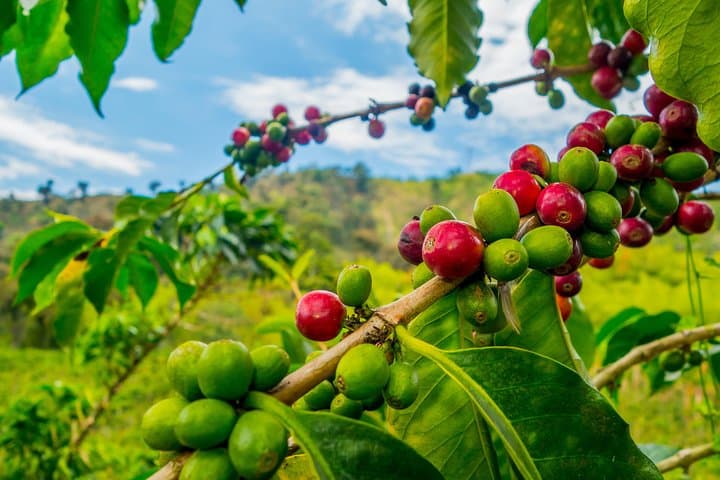
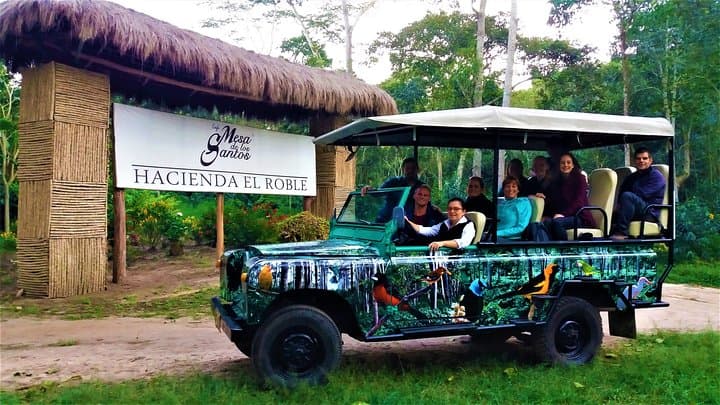
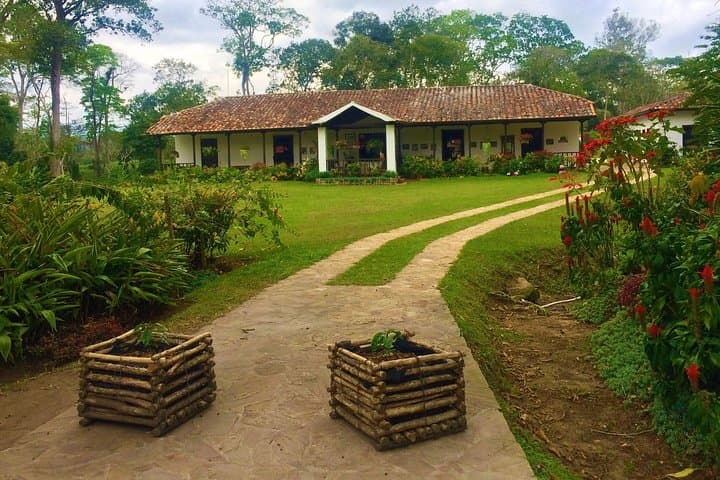
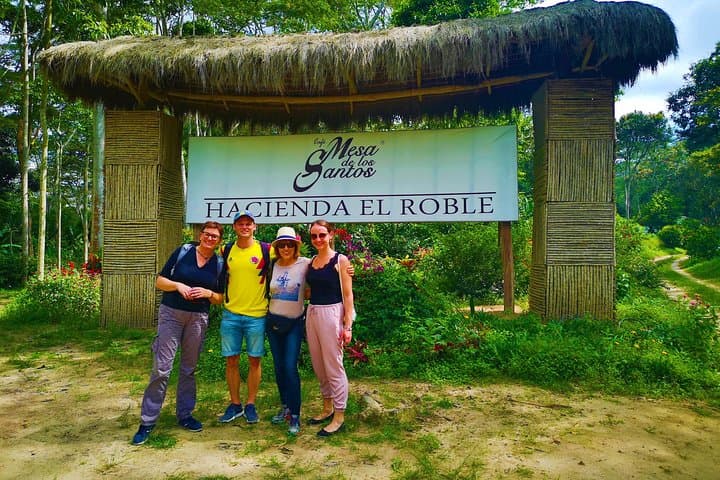
Morning light spills over the ridgelines outside Bucaramanga as a private vehicle threads narrow farm roads toward a hacienda’s coffee terraces. The scent of fresh-cut leaf and wet earth rides the breeze; birds flit through shade trees while workers move between rows, and the finca itself opens like a practical classroom on growing, processing, and roasting Arabica.
Verified experiences and guided adventures in the surrounding area.
Operated by Wolf Tours Colombia · Bucaramanga, Santander
Morning light spills over the ridgelines outside Bucaramanga as a private vehicle threads narrow farm roads toward a hacienda’s coffee terraces. The scent of fresh-cut leaf and wet earth rides the breeze; birds flit through shade trees while workers move between rows, and the finca itself opens like a practical classroom on growing, processing, and roasting Arabica.
Santander’s coffee country sits on steep, well-drained slopes carved from Andean foothills—volcanic soils and microclimates that helped turn smallholder farms into regional staples. The hacienda visit explains seed selection, shade management and traditional drying patios, and pairs those lessons with tastings that reveal how altitude, roast and brew style change flavor.
After lunch the tour returns to Bucaramanga for a three-stop gastronomic run: small plates and drinks at neighborhood restaurants where owners explain recipes rooted in Santander cooking—cassava, hearty stews and regional sweets—bringing local food culture into conversation with coffee-drinking rituals.
Practical guidance: expect a 5–7 hour day with short walks across uneven farm ground and easy, seated meals in town. Wear sturdy shoes that handle dust and mud, bring sun protection and a refillable bottle, and pack a light rain layer during the wet months. The tour is private and bilingual options are offered; you can buy beans at the farm and ask about direct-trade or organic practices. Plan for morning pickup, modest tipping for guides and baristas, and a camera with spare batteries—the hills move fast and offer clear, tactile lessons on how Colombia’s coffee and food culture connect the land to the cup.
easy.
5–7 hours.
Suitable for most fitness levels; includes short walks on uneven terrain and seated restaurant visits.
The private tour lasts about 5–7 hours, typically beginning in the morning and returning to Bucaramanga in the afternoon.
Yes—farms usually offer beans for purchase, often in roasted and green forms; ask about origin and processing methods to choose what you prefer.
Yes; the itinerary is easy and stroller-accessible, though infants are expected to sit on laps during transport per operator policy.
The tour offers English or Spanish-speaking accompaniment; confirm language preference at booking.
Coffee cultivation in Santander grew in the 19th–20th centuries as smallholder farms adapted Andean slopes for Arabica production, tying rural culture to market towns like Bucaramanga.
Many local farms use shade-grown practices and family-run methods; support sustainability by buying directly and minimizing single-use plastics during visits.
Wolf Tours Colombia operates guided outdoor trips and adventures with an emphasis on safety, stewardship, and memorable experiences.
Morning light spills over the ridgelines outside Bucaramanga as a private vehicle threads narrow farm roads toward a hacienda’s coffee terraces. The scent of fresh-cut leaf and wet earth rides the breeze; birds flit through shade trees while workers move between rows, and the finca itself opens like a practical classroom on growing, processing, and roasting Arabica.
Morning light spills over the ridgelines outside Bucaramanga as a private vehicle threads narrow farm roads toward a hacienda’s coffee terraces. The scent of fresh-cut leaf and wet earth rides the breeze; birds flit through shade trees while workers move between rows, and the finca itself opens like a practical classroom on growing, processing, and roasting Arabica.
Santander’s coffee country sits on steep, well-drained slopes carved from Andean foothills—volcanic soils and microclimates that helped turn smallholder farms into regional staples. The hacienda visit explains seed selection, shade management and traditional drying patios, and pairs those lessons with tastings that reveal how altitude, roast and brew style change flavor.
After lunch the tour returns to Bucaramanga for a three-stop gastronomic run: small plates and drinks at neighborhood restaurants where owners explain recipes rooted in Santander cooking—cassava, hearty stews and regional sweets—bringing local food culture into conversation with coffee-drinking rituals.
Practical guidance: expect a 5–7 hour day with short walks across uneven farm ground and easy, seated meals in town. Wear sturdy shoes that handle dust and mud, bring sun protection and a refillable bottle, and pack a light rain layer during the wet months. The tour is private and bilingual options are offered; you can buy beans at the farm and ask about direct-trade or organic practices. Plan for morning pickup, modest tipping for guides and baristas, and a camera with spare batteries—the hills move fast and offer clear, tactile lessons on how Colombia’s coffee and food culture connect the land to the cup.