THE ADVENTURE COLLECTIVE® · Independent discovery and booking for outdoor travel

A guided, private 2.5-hour walkthrough of the British Museum that focuses on the Rosetta Stone, Egyptian mummies, Parthenon sculpture and the Sutton Hoo treasures. Ideal for travelers who want concentrated context from a top-rated guide.
A guided, private 2.5-hour walkthrough of the British Museum that focuses on the Rosetta Stone, Egyptian mummies, Parthenon sculpture and the Sutton Hoo treasures. Ideal for travelers who want concentrated context from a top-rated guide.
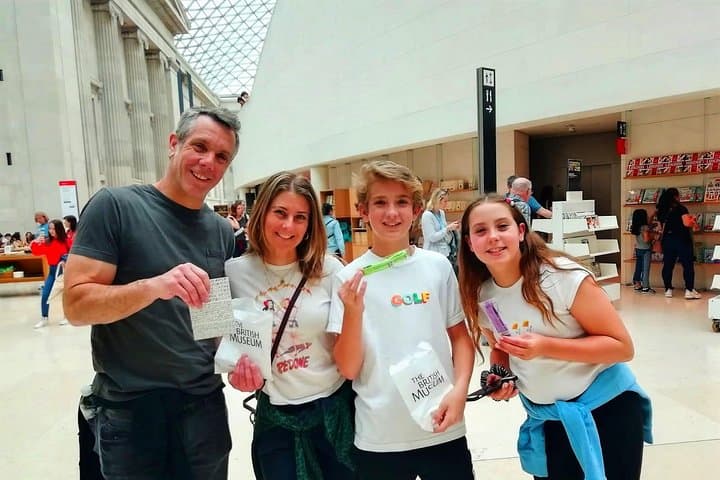
You step from the noise of Great Russell Street into a cool atrium where glass and iron spread overhead like a sky. The Great Court’s circular openness gives space for a guide’s voice to land; the tour moves from shadowed cases of carved stone into the bright sweep of the Enlightenment Gallery and the hush of rooms where objects keep their stories.
Verified experiences and guided adventures in the surrounding area.
Operated by Mamma Mia! Tours · London, England
You step from the noise of Great Russell Street into a cool atrium where glass and iron spread overhead like a sky. The Great Court’s circular openness gives space for a guide’s voice to land; the tour moves from shadowed cases of carved stone into the bright sweep of the Enlightenment Gallery and the hush of rooms where objects keep their stories.
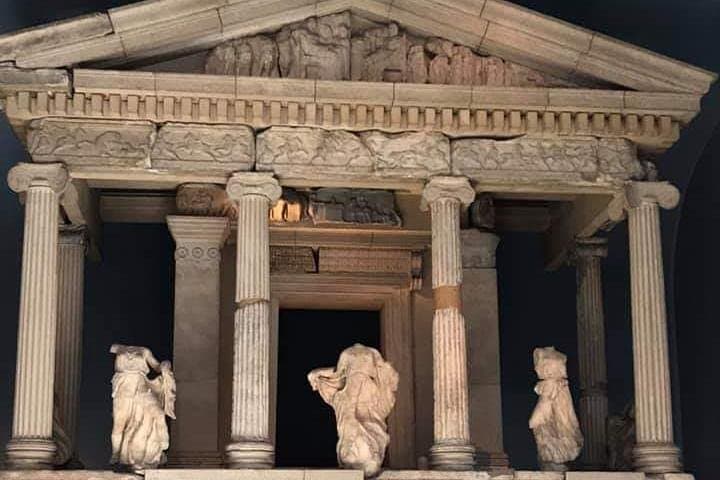
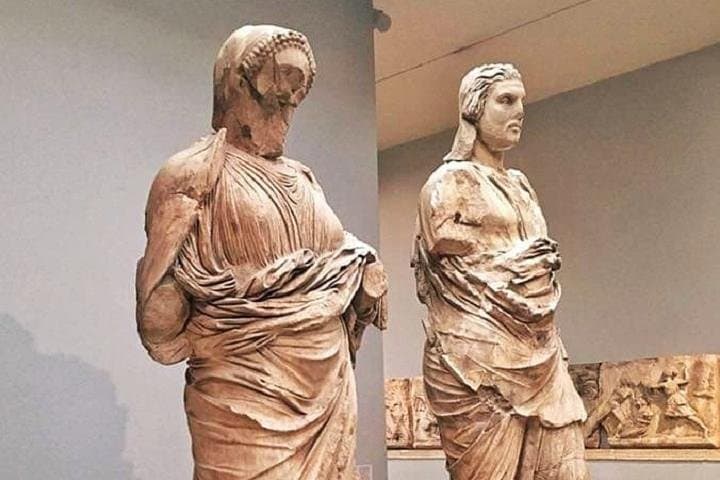
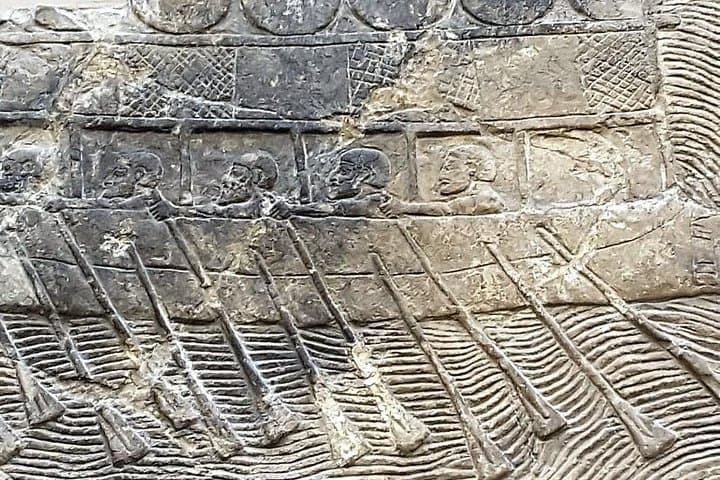
The British Museum began as Sir Hans Sloane’s collection in the 18th century and opened to the public in 1759; its holdings now span nearly two million years. Geologically and materially the highlights vary — the Rosetta Stone’s coarse granodiorite, pink-and-grey granite sculptures of Ramses II, and fragile organic remains from Sutton Hoo each tell different creation stories. Culturally, the museum traces imperial collecting, scholarship, and changing public access; seeing the Anglo-Saxon Sutton Hoo finds and the Parthenon marbles together maps centuries of human exchange.
On a private 2.5-hour tour, an experienced guide curates these touchpoints with context — why the Rosetta Stone unlocked hieroglyphs, how Sutton Hoo reshaped British history, and how conservation stabilizes fragile objects. Expect steady walking on tile and carpeted floors, close-up viewing at varied case heights, and timed security checks.
Practical guidance: arrive 10–15 minutes early for security and cloakroom, carry only what you need, and ask your guide about accessible routes and quieter rooms if you prefer lower crowds. Photography is generally allowed without flash but always confirm in each gallery. This tour is ideal for history-minded travelers who want depth with minimal logistics, leaving you informed and ready to explore Bloomsbury afterward.
easy.
2–3 hours.
Light walking and standing for up to 2.5 hours; suitable for most fitness levels
Yes — this private tour includes admission; your booking covers the entry required for the guided route.
Yes — the museum and many galleries are wheelchair accessible; notify the operator at booking about any mobility needs so routes can be adapted.
Yes — strollers are allowed and the museum has elevators, but some galleries can be busy and space is limited during peak times.
Photography without flash is typically permitted in permanent galleries, but some objects or temporary exhibitions restrict photos—always check with your guide or signage.
Founded from Sir Hans Sloane’s 18th-century collection and opened in 1759, the museum became a public institution under an Act of Parliament and has since grown through donations and archaeological finds.
The museum operates in-house conservation labs and emphasizes minimal handling; visitors help by observing no-touch rules and avoiding flash photography to protect sensitive materials.
Mamma Mia! Tours operates guided outdoor trips and adventures with an emphasis on safety, stewardship, and memorable experiences.
You step from the noise of Great Russell Street into a cool atrium where glass and iron spread overhead like a sky. The Great Court’s circular openness gives space for a guide’s voice to land; the tour moves from shadowed cases of carved stone into the bright sweep of the Enlightenment Gallery and the hush of rooms where objects keep their stories.
You step from the noise of Great Russell Street into a cool atrium where glass and iron spread overhead like a sky. The Great Court’s circular openness gives space for a guide’s voice to land; the tour moves from shadowed cases of carved stone into the bright sweep of the Enlightenment Gallery and the hush of rooms where objects keep their stories.
The British Museum began as Sir Hans Sloane’s collection in the 18th century and opened to the public in 1759; its holdings now span nearly two million years. Geologically and materially the highlights vary — the Rosetta Stone’s coarse granodiorite, pink-and-grey granite sculptures of Ramses II, and fragile organic remains from Sutton Hoo each tell different creation stories. Culturally, the museum traces imperial collecting, scholarship, and changing public access; seeing the Anglo-Saxon Sutton Hoo finds and the Parthenon marbles together maps centuries of human exchange.
On a private 2.5-hour tour, an experienced guide curates these touchpoints with context — why the Rosetta Stone unlocked hieroglyphs, how Sutton Hoo reshaped British history, and how conservation stabilizes fragile objects. Expect steady walking on tile and carpeted floors, close-up viewing at varied case heights, and timed security checks.
Practical guidance: arrive 10–15 minutes early for security and cloakroom, carry only what you need, and ask your guide about accessible routes and quieter rooms if you prefer lower crowds. Photography is generally allowed without flash but always confirm in each gallery. This tour is ideal for history-minded travelers who want depth with minimal logistics, leaving you informed and ready to explore Bloomsbury afterward.