THE ADVENTURE COLLECTIVE® · Independent discovery and booking for outdoor travel

Walk Bordeaux with a native historian: two hours of focused storytelling from Roman Burdigala to the 18th‑century façades and the reflective pool at Place de la Bourse. Expect flat pavements, cobbled turns, and frequent stops for history and architecture.
Walk Bordeaux with a native historian: two hours of focused storytelling from Roman Burdigala to the 18th‑century façades and the reflective pool at Place de la Bourse. Expect flat pavements, cobbled turns, and frequent stops for history and architecture.
You meet at the steps of Pey Berland cathedral — the stone cool under your palms, a bell tower watching over the square — and the city begins to unfold on foot. In two hours a local historian unpacks Bordeaux: traces of Roman Burdigala beneath your feet, medieval lanes that still favor horses and carts in their angles, and the broad 18th‑century facades built on the wealth of the Gironde estuary.
Verified experiences and guided adventures in the surrounding area.
Operated by Les Visites d'Hubert - Guide à Bordeaux et sa Région · Bordeaux, Nouvelle-Aquitaine
You meet at the steps of Pey Berland cathedral — the stone cool under your palms, a bell tower watching over the square — and the city begins to unfold on foot. In two hours a local historian unpacks Bordeaux: traces of Roman Burdigala beneath your feet, medieval lanes that still favor horses and carts in their angles, and the broad 18th‑century facades built on the wealth of the Gironde estuary.
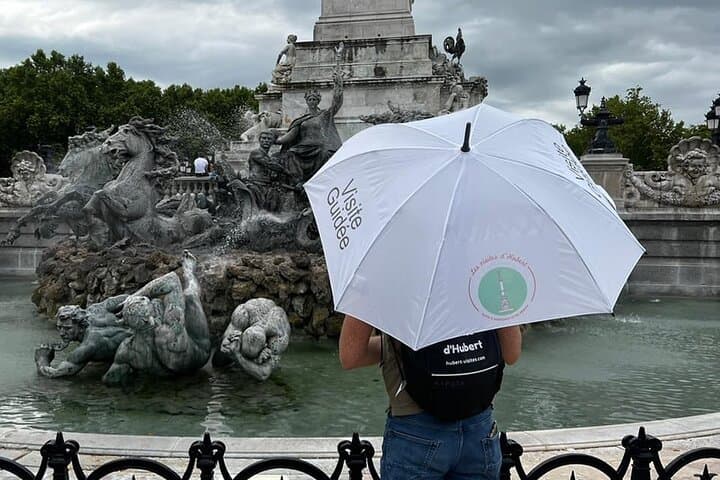
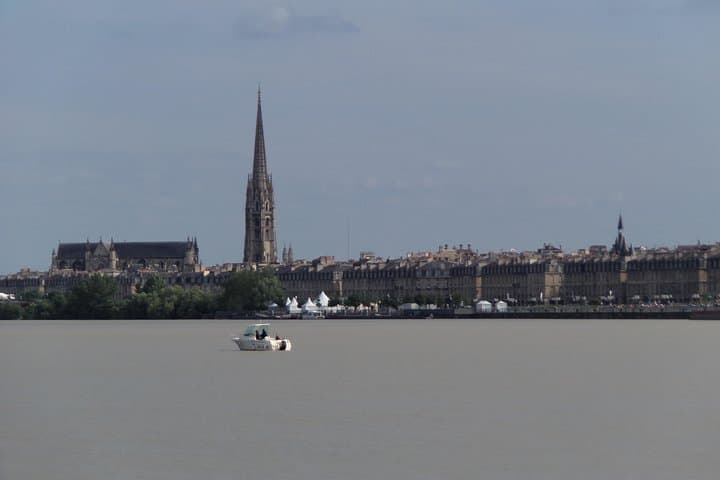
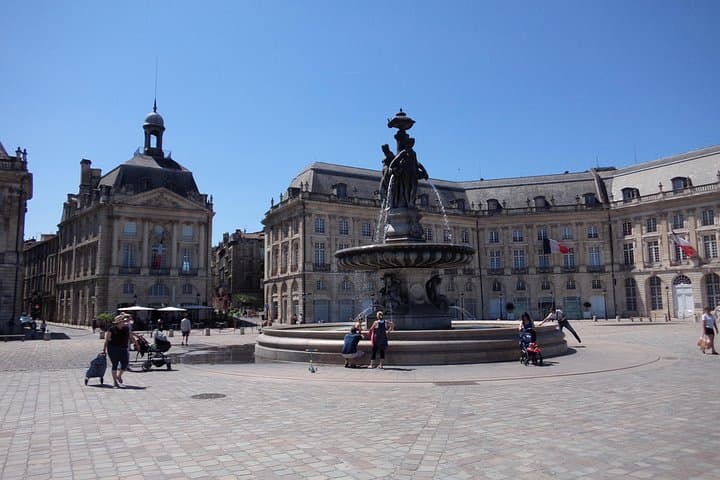
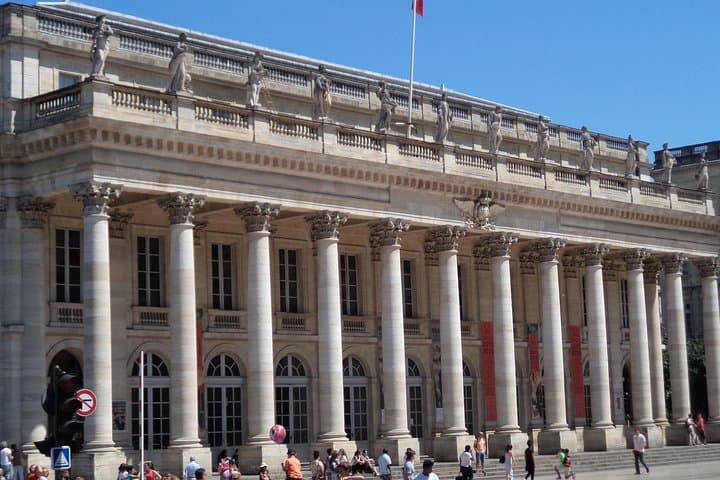
The route moves deliberately: Saint‑André Cathedral and its Gothic profile, the commercial pulse of Rue Sainte‑Catherine, then the 18th‑century geometry of Place de la Bourse and its glassy reflecting pool. Porte Cailhau and the Girondins monument bookend the walk with stone portraits of the city’s maritime and political past. Along the way your guide points out architectural details — lintels, watermarks, plaques — and ties them to Bordeaux’s role in Atlantic trade, viticulture, and urban renewal in the 20th century. Geology is visible too: Garonne tides that shaped the quay and the clay and limestone that built the city’s color.
Practically, expect mostly flat paved streets and short sections of cobbles. The pace is conversational with frequent stops; total distance is roughly 3–4 km. Bring comfortable shoes, a small water bottle, and a light layer for wind off the river. Morning or late afternoon slots reduce crowds at the water mirror and make both photography and listening easier. The tour is wheelchair and stroller accessible and concludes at the Girondins monument.
easy.
2 hours.
Suitable for most fitness levels; walking at a relaxed pace with frequent stops
The meeting point is the entrance of Pey Berland cathedral in the city center; the guide will be waiting there.
Yes — the route is largely on flat paved surfaces and is listed as wheelchair and stroller accessible.
Confirm language availability when booking; most local guides offer French and English.
Full refund available if you cancel at least 24 hours before the scheduled departure time.
Bordeaux began as the Roman settlement Burdigala and rose to prominence in the 18th century as a major Atlantic port, shaping its elegant stone façades.
Bordeaux’s historic center is a UNESCO World Heritage site; visitors are encouraged to stay on paved routes, avoid tram tracks, and support local businesses to reduce wear on fragile streets.
Les Visites d'Hubert - Guide à Bordeaux et sa Région operates guided outdoor trips and adventures with an emphasis on safety, stewardship, and memorable experiences.
You meet at the steps of Pey Berland cathedral — the stone cool under your palms, a bell tower watching over the square — and the city begins to unfold on foot. In two hours a local historian unpacks Bordeaux: traces of Roman Burdigala beneath your feet, medieval lanes that still favor horses and carts in their angles, and the broad 18th‑century facades built on the wealth of the Gironde estuary.
You meet at the steps of Pey Berland cathedral — the stone cool under your palms, a bell tower watching over the square — and the city begins to unfold on foot. In two hours a local historian unpacks Bordeaux: traces of Roman Burdigala beneath your feet, medieval lanes that still favor horses and carts in their angles, and the broad 18th‑century facades built on the wealth of the Gironde estuary.
The route moves deliberately: Saint‑André Cathedral and its Gothic profile, the commercial pulse of Rue Sainte‑Catherine, then the 18th‑century geometry of Place de la Bourse and its glassy reflecting pool. Porte Cailhau and the Girondins monument bookend the walk with stone portraits of the city’s maritime and political past. Along the way your guide points out architectural details — lintels, watermarks, plaques — and ties them to Bordeaux’s role in Atlantic trade, viticulture, and urban renewal in the 20th century. Geology is visible too: Garonne tides that shaped the quay and the clay and limestone that built the city’s color.
Practically, expect mostly flat paved streets and short sections of cobbles. The pace is conversational with frequent stops; total distance is roughly 3–4 km. Bring comfortable shoes, a small water bottle, and a light layer for wind off the river. Morning or late afternoon slots reduce crowds at the water mirror and make both photography and listening easier. The tour is wheelchair and stroller accessible and concludes at the Girondins monument.