THE ADVENTURE COLLECTIVE® · Independent discovery and booking for outdoor travel

Make the most of a short stop in Bodrum with a private, port-friendly tour that pairs medieval fortresses, hilltop windmills and a hands-on carpet-weaving visit. It’s a focused half-day designed around ship schedules with local insights and comfortable transport.
Make the most of a short stop in Bodrum with a private, port-friendly tour that pairs medieval fortresses, hilltop windmills and a hands-on carpet-weaving visit. It’s a focused half-day designed around ship schedules with local insights and comfortable transport.
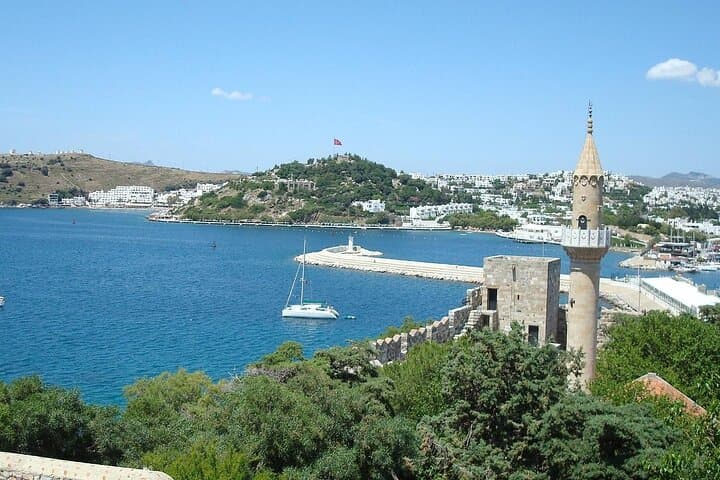
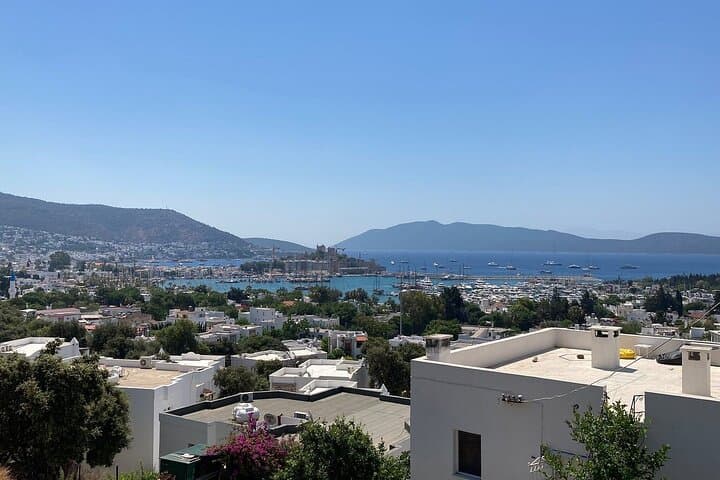
You step off your ship into a salt-sweet breeze and Bodrum’s harbor unfolds: bobbing gulets, white houses climbing the hills, and the windmills perched like watchful craftsmen above the bays. The day moves at the ship’s clock—efficient, bright and focused—but there’s room to slow down, press your hand to cool castle stone and let the Aegean dare you to look farther.
Verified experiences and guided adventures in the surrounding area.
Operated by Turquesa Tours · Bodrum, Muğla
You step off your ship into a salt-sweet breeze and Bodrum’s harbor unfolds: bobbing gulets, white houses climbing the hills, and the windmills perched like watchful craftsmen above the bays. The day moves at the ship’s clock—efficient, bright and focused—but there’s room to slow down, press your hand to cool castle stone and let the Aegean dare you to look farther.
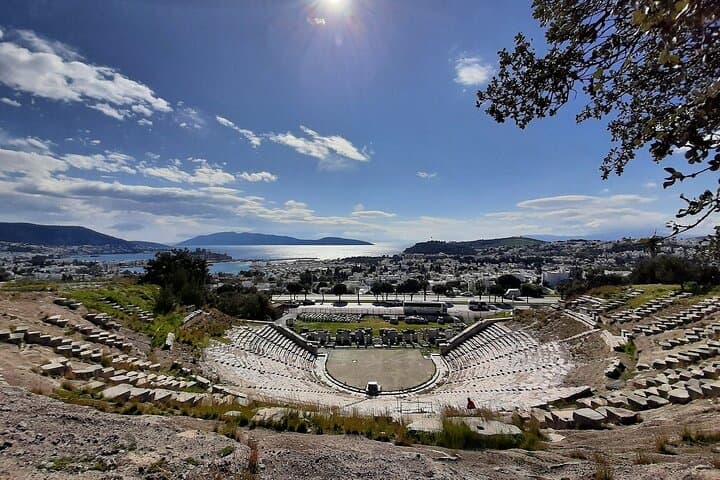
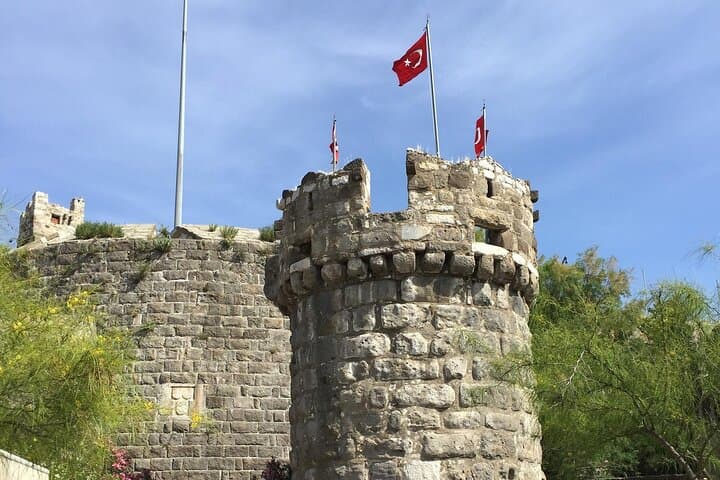
This compact route traces Bodrum’s layered history: Hellenistic theaters carved into limestone slopes, Mausolos’ legacy reflected in the city’s ancient stones, and the 15th-century Knights of St. John reshaping the coastline with fortifications that now house maritime relics. Geologically, the coast is low metamorphic and limestone, creating sheltered coves and clear, turquoise water that pushed millers to place windmills where gusts are strongest.
Culturally the tour pivots from public landmarks to private craft—an afternoon at a carpet cooperative shows how regional designs and natural dyes link village life to trade routes that once crossed these seas. The windmills and amphitheater are visual high points; the castle’s Underwater Archaeology Museum explains why Bodrum has long been a crossroads of merchants and shipwrecks.
Practical guidance: expect 3–6 hours of mixed walking and short drives on cobbles and steps; bring sun protection, comfortable shoes, and a copy of your ship’s departure time. The tour includes port pickup and air-conditioned transport, but time on-site is limited—prioritize the castle, windmills and the weaving demo. Keep small bills for museum entry, tips, and a quick café espresso. With sensible pacing you’ll leave the port with a clear sense of place—and a few frames worthy of the journey.
moderate.
4–6 hours.
Moderate fitness: able to walk short distances on uneven ground and climb steps several times during the tour.
Yes—pickup and drop-off at Bodrum Cruise Port are included, and the operator times the tour around typical ship schedules.
Admissions are generally not included; check booking details and have local currency available for entry fees to the Underwater Archaeology Museum if required.
Expect multiple short walks (10–20 minutes) and some stairs at the castle and amphitheater; the tour uses a vehicle between stops to limit overall exertion.
Yes—demonstrations are family-friendly, though younger children may be restless during longer explanations; there are usually photo opportunities and short demos to keep interest.
Bodrum blends classical sites from the age of Mausolos with medieval layers left by the Knights of St. John; the castle now preserves an important collection of underwater finds from regional shipwrecks.
Support local artisans and avoid buying damaged antiquities; respect museum rules and local signage to protect underwater cultural heritage and sensitive coastal habitats.
Turquesa Tours operates guided outdoor trips and adventures with an emphasis on safety, stewardship, and memorable experiences.
You step off your ship into a salt-sweet breeze and Bodrum’s harbor unfolds: bobbing gulets, white houses climbing the hills, and the windmills perched like watchful craftsmen above the bays. The day moves at the ship’s clock—efficient, bright and focused—but there’s room to slow down, press your hand to cool castle stone and let the Aegean dare you to look farther.
You step off your ship into a salt-sweet breeze and Bodrum’s harbor unfolds: bobbing gulets, white houses climbing the hills, and the windmills perched like watchful craftsmen above the bays. The day moves at the ship’s clock—efficient, bright and focused—but there’s room to slow down, press your hand to cool castle stone and let the Aegean dare you to look farther.
This compact route traces Bodrum’s layered history: Hellenistic theaters carved into limestone slopes, Mausolos’ legacy reflected in the city’s ancient stones, and the 15th-century Knights of St. John reshaping the coastline with fortifications that now house maritime relics. Geologically, the coast is low metamorphic and limestone, creating sheltered coves and clear, turquoise water that pushed millers to place windmills where gusts are strongest.
Culturally the tour pivots from public landmarks to private craft—an afternoon at a carpet cooperative shows how regional designs and natural dyes link village life to trade routes that once crossed these seas. The windmills and amphitheater are visual high points; the castle’s Underwater Archaeology Museum explains why Bodrum has long been a crossroads of merchants and shipwrecks.
Practical guidance: expect 3–6 hours of mixed walking and short drives on cobbles and steps; bring sun protection, comfortable shoes, and a copy of your ship’s departure time. The tour includes port pickup and air-conditioned transport, but time on-site is limited—prioritize the castle, windmills and the weaving demo. Keep small bills for museum entry, tips, and a quick café espresso. With sensible pacing you’ll leave the port with a clear sense of place—and a few frames worthy of the journey.