THE ADVENTURE COLLECTIVE® · Independent discovery and booking for outdoor travel

A half‑day private boat excursion from Aswan that pairs the rescued island temple of Philae with a visit to an authentic Nubian village. Expect a calm river crossing, guided history at the temple, and colorful village streets.
A half‑day private boat excursion from Aswan that pairs the rescued island temple of Philae with a visit to an authentic Nubian village. Expect a calm river crossing, guided history at the temple, and colorful village streets.
You push off from Aswan’s quay as the Nile wakes—papyrus reeds whisper, water lapping against the hull, and the island of Philae resolving from the morning haze. The short motorboat crossing is part transport, part introduction: a slow unraveling of stone reliefs, domed shrines, and the wide, quiet sweep of the river that has shaped this place for millennia.
Verified experiences and guided adventures in the surrounding area.
Operated by Tripianto · Aswan, Aswan Governorate
You push off from Aswan’s quay as the Nile wakes—papyrus reeds whisper, water lapping against the hull, and the island of Philae resolving from the morning haze. The short motorboat crossing is part transport, part introduction: a slow unraveling of stone reliefs, domed shrines, and the wide, quiet sweep of the river that has shaped this place for millennia.
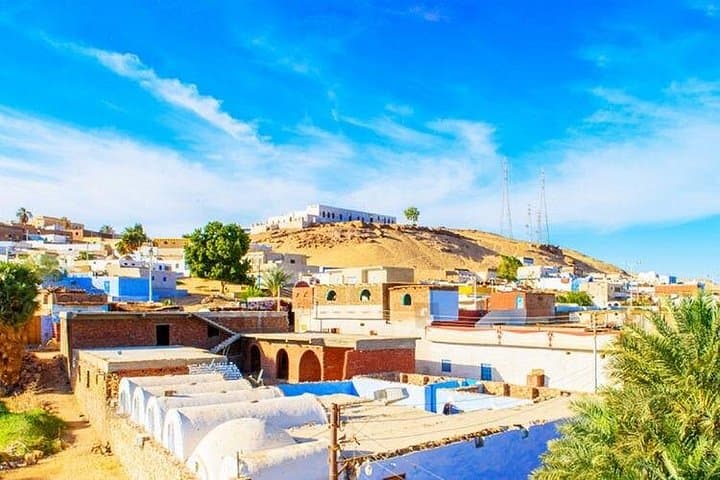
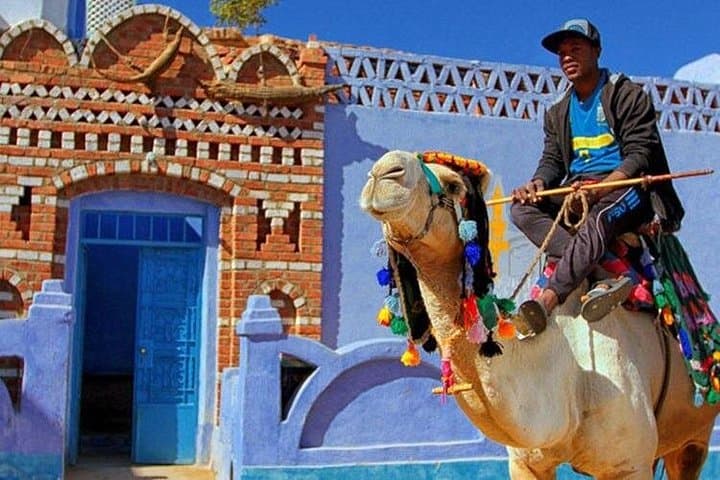
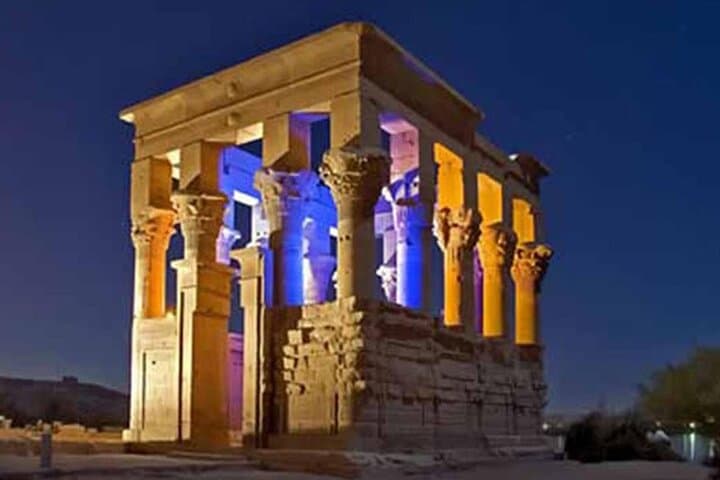
Philae’s temple complex honors Isis and carries layers of history: Ptolemaic stonework built atop older religious practice, later Christian inscriptions, and modern engineering—its rescue and rebirth on Agilkia Island after the Aswan Low Dam’s rise is a 20th‑century chapter in UNESCO’s conservation story. The nearby Nubian villages retain a living culture—painted houses, woven crafts, and markets animated by music and local bargaining styles.
Expect stone colonnades, carved reliefs and shaded colonnades at Philae, followed by a dockside walk through narrow streets and household courtyards in the village. Guides typically explain religious iconography, local pottery traditions, and the changing relationship between the Nile and Nubian life.
Practical notes: tours run about five to six hours with hotel pickup in Aswan; wear sun protection and culturally appropriate clothing for mosque visits; carry small change for souvenirs and tips. Morning departures avoid the harshest heat and deliver the best light for photography. The boat ride itself is calm but bring a light jacket for the breeze. This trip blends easy, accessible cruising with short walks and close cultural encounters—straightforward to plan, rich in up‑close history.
easy.
5–6 hours.
Suitable for most fitness levels; includes short walks on uneven stone and gentle boat transfers.
Yes, most private tours include pickup and drop‑off from hotels in central Aswan; confirm your exact pickup point when booking.
This tour description indicates entrance fees to Philae and the Nubian Village are included—verify on your booking voucher for any changes.
Boat transfers are short; the operator lists wheelchair accessibility, but check specific boarding assistance and inform them of special requirements in advance.
October through April offers milder temperatures; summer months are hot and best for early morning departures.
Philae’s temples were dismantled and reassembled on Agilkia Island in the 1960s and 70s as part of UNESCO’s effort to save monuments from the rising waters after the Aswan Low and High Dam projects.
Visitors should respect site rules—no climbing on reliefs and no littering—and support local economies by buying directly from artisans to keep cultural practices viable.
Tripianto operates guided outdoor trips and adventures with an emphasis on safety, stewardship, and memorable experiences.
You push off from Aswan’s quay as the Nile wakes—papyrus reeds whisper, water lapping against the hull, and the island of Philae resolving from the morning haze. The short motorboat crossing is part transport, part introduction: a slow unraveling of stone reliefs, domed shrines, and the wide, quiet sweep of the river that has shaped this place for millennia.
You push off from Aswan’s quay as the Nile wakes—papyrus reeds whisper, water lapping against the hull, and the island of Philae resolving from the morning haze. The short motorboat crossing is part transport, part introduction: a slow unraveling of stone reliefs, domed shrines, and the wide, quiet sweep of the river that has shaped this place for millennia.
Philae’s temple complex honors Isis and carries layers of history: Ptolemaic stonework built atop older religious practice, later Christian inscriptions, and modern engineering—its rescue and rebirth on Agilkia Island after the Aswan Low Dam’s rise is a 20th‑century chapter in UNESCO’s conservation story. The nearby Nubian villages retain a living culture—painted houses, woven crafts, and markets animated by music and local bargaining styles.
Expect stone colonnades, carved reliefs and shaded colonnades at Philae, followed by a dockside walk through narrow streets and household courtyards in the village. Guides typically explain religious iconography, local pottery traditions, and the changing relationship between the Nile and Nubian life.
Practical notes: tours run about five to six hours with hotel pickup in Aswan; wear sun protection and culturally appropriate clothing for mosque visits; carry small change for souvenirs and tips. Morning departures avoid the harshest heat and deliver the best light for photography. The boat ride itself is calm but bring a light jacket for the breeze. This trip blends easy, accessible cruising with short walks and close cultural encounters—straightforward to plan, rich in up‑close history.