THE ADVENTURE COLLECTIVE® · Independent discovery and booking for outdoor travel

Board a private boat from Dubrovnik for a full-day exploration of Mljet National Park: swim in salt lakes, visit St. Mary’s islet and peer into Odysseus cave while learning island history and culinary traditions.
Board a private boat from Dubrovnik for a full-day exploration of Mljet National Park: swim in salt lakes, visit St. Mary’s islet and peer into Odysseus cave while learning island history and culinary traditions.
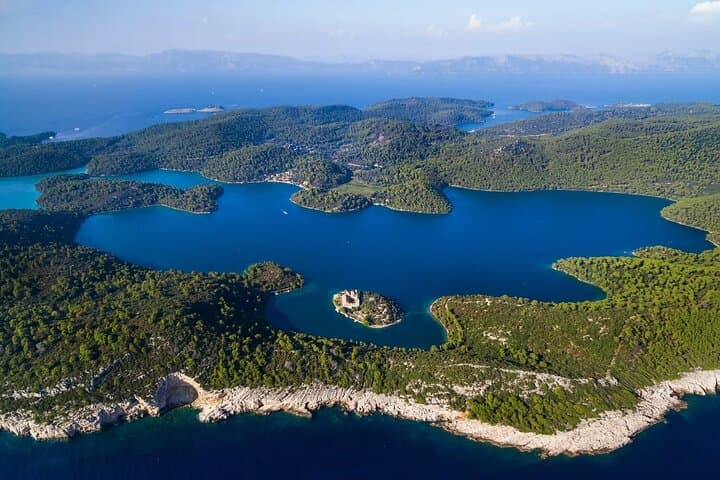
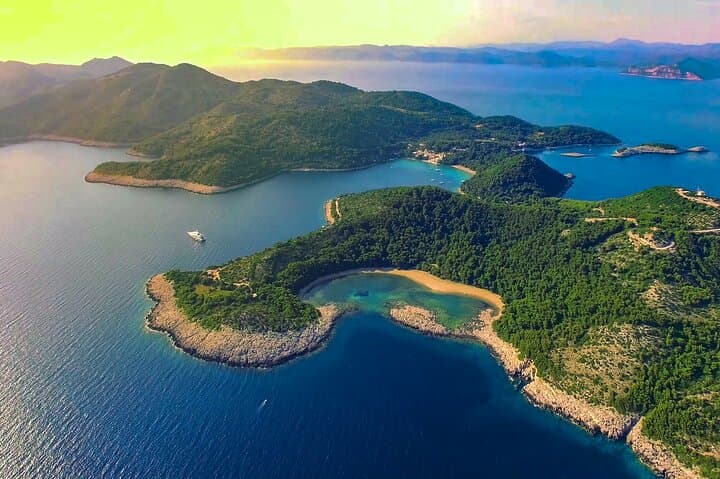
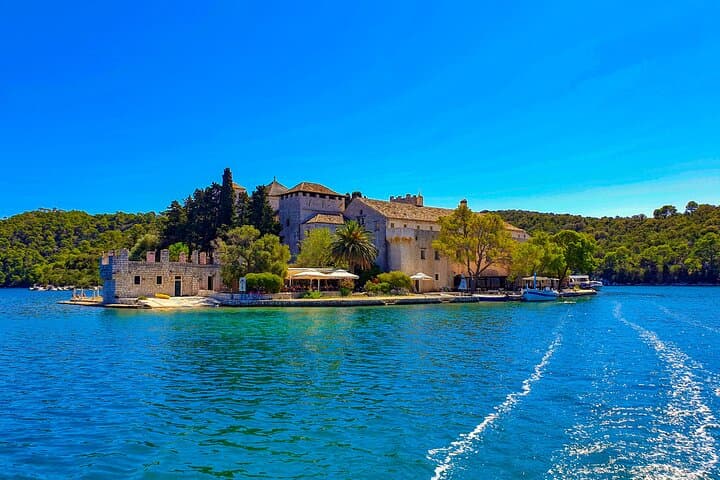
A low-slung Jeanneau cuts through glassy Adriatic water as you leave Dubrovnik’s harbor behind; pine-scented wind pushes the boat toward Mljet and the twin salt lakes that give the island its hush. On approach the forest takes on a deep, damp green and the shoreline cliffs open to reveal a small coral cay and the stone chapel on St. Mary’s Island — a compact island within the large lake that feels like a secret reached only by boat.
Verified experiences and guided adventures in the surrounding area.
Operated by ToDo Dubrovnik · Pomena, Dubrovnik-Neretva County
A low-slung Jeanneau cuts through glassy Adriatic water as you leave Dubrovnik’s harbor behind; pine-scented wind pushes the boat toward Mljet and the twin salt lakes that give the island its hush. On approach the forest takes on a deep, damp green and the shoreline cliffs open to reveal a small coral cay and the stone chapel on St. Mary’s Island — a compact island within the large lake that feels like a secret reached only by boat.
Mljet National Park, established in 1960, preserves broad pine woods, Mediterranean maquis, and two deep saline lakes carved by karst processes. Roman ruins and a 12th‑century Benedictine monastery on the islet speak to centuries of human use; local fishermen and restaurateurs still serve classic Dalmatian plates — grilled fish, octopus salad and black risotto — that taste of salt and wood smoke.
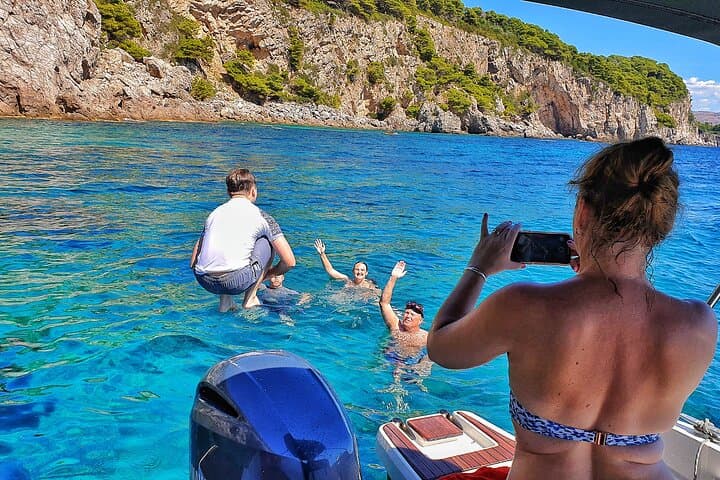
This private, full‑day tour mixes calm cruising with short on‑shore walks and snorkeling stops; expect calm, protected waters, rocky beaches and shallow coves. Practical notes: bring reef‑safe sunscreen and water shoes for the pebble approaches, and keep a light wind layer for open‑water stretches. If you plan to step onto St. Mary’s islet, wear sturdy sandals — the monastery grounds are stony and shaded.
Timing matters: mornings are mirror‑flat for photography, afternoons bring sea breezes good for sailing. Respect park rules: pay the national park fee if required, avoid anchoring in protected zones and pack out trash. For travelers seeking a gentle blend of boating, short hikes and coastal history, Mljet delivers quiet, green expanses and a sense of slow Adriatic time.
easy.
8 hours.
Light fitness—able to board small boats, handle short walks on uneven terrain and basic swimming is helpful
Park admission is typically not included in private tours—confirm with your operator and be prepared to pay the fee on arrival.
Yes—boats can land at the islet and you can explore the monastery grounds, though some interior areas may be closed and require modest footwear.
The cave is best viewed from a small boat; strong swimmers sometimes swim to its mouth, but conditions and currents can make this risky—follow the skipper’s guidance.
Yes—tours are family friendly and classified as easy, but children should be supervised and non‑swimmers should remain on board during open‑water stops.
Mljet has been inhabited since antiquity; the Benedictine monastery on St. Mary’s islet dates to the 12th century and Roman remains appear around the coast.
Mljet is a protected national park since 1960—respect marked zones, avoid anchoring on sensitive beds and carry out all waste to limit impact.
ToDo Dubrovnik operates guided outdoor trips and adventures with an emphasis on safety, stewardship, and memorable experiences.
A low-slung Jeanneau cuts through glassy Adriatic water as you leave Dubrovnik’s harbor behind; pine-scented wind pushes the boat toward Mljet and the twin salt lakes that give the island its hush. On approach the forest takes on a deep, damp green and the shoreline cliffs open to reveal a small coral cay and the stone chapel on St. Mary’s Island — a compact island within the large lake that feels like a secret reached only by boat.
A low-slung Jeanneau cuts through glassy Adriatic water as you leave Dubrovnik’s harbor behind; pine-scented wind pushes the boat toward Mljet and the twin salt lakes that give the island its hush. On approach the forest takes on a deep, damp green and the shoreline cliffs open to reveal a small coral cay and the stone chapel on St. Mary’s Island — a compact island within the large lake that feels like a secret reached only by boat.
Mljet National Park, established in 1960, preserves broad pine woods, Mediterranean maquis, and two deep saline lakes carved by karst processes. Roman ruins and a 12th‑century Benedictine monastery on the islet speak to centuries of human use; local fishermen and restaurateurs still serve classic Dalmatian plates — grilled fish, octopus salad and black risotto — that taste of salt and wood smoke.
This private, full‑day tour mixes calm cruising with short on‑shore walks and snorkeling stops; expect calm, protected waters, rocky beaches and shallow coves. Practical notes: bring reef‑safe sunscreen and water shoes for the pebble approaches, and keep a light wind layer for open‑water stretches. If you plan to step onto St. Mary’s islet, wear sturdy sandals — the monastery grounds are stony and shaded.
Timing matters: mornings are mirror‑flat for photography, afternoons bring sea breezes good for sailing. Respect park rules: pay the national park fee if required, avoid anchoring in protected zones and pack out trash. For travelers seeking a gentle blend of boating, short hikes and coastal history, Mljet delivers quiet, green expanses and a sense of slow Adriatic time.