THE ADVENTURE COLLECTIVE® · Independent discovery and booking for outdoor travel

Board a private boat from Gruž Harbor and choose between the national‑park calm of Polače’s lakes and monastery or the secluded sand of Saplunara and Blace Beach. Expect snorkeling, swims, and a short exploration of Odysseus Cave — all on a customizable full‑day trip.
Board a private boat from Gruž Harbor and choose between the national‑park calm of Polače’s lakes and monastery or the secluded sand of Saplunara and Blace Beach. Expect snorkeling, swims, and a short exploration of Odysseus Cave — all on a customizable full‑day trip.
The engine eases out of Gruž Harbor and the Adriatic opens — sun on steel water, the Elaphiti islets slipping past like punctuation marks. Within an hour the limestone cliffs of Mljet appear: green slopes, dark caves, and a coastline that invites you to choose a narrative — myth and monastery or quiet sand and salt lakes.
Verified experiences and guided adventures in the surrounding area.
Operated by Dubrovnik Boat Charter · Polače (Mljet), Dubrovnik‑Neretva County
The engine eases out of Gruž Harbor and the Adriatic opens — sun on steel water, the Elaphiti islets slipping past like punctuation marks. Within an hour the limestone cliffs of Mljet appear: green slopes, dark caves, and a coastline that invites you to choose a narrative — myth and monastery or quiet sand and salt lakes.
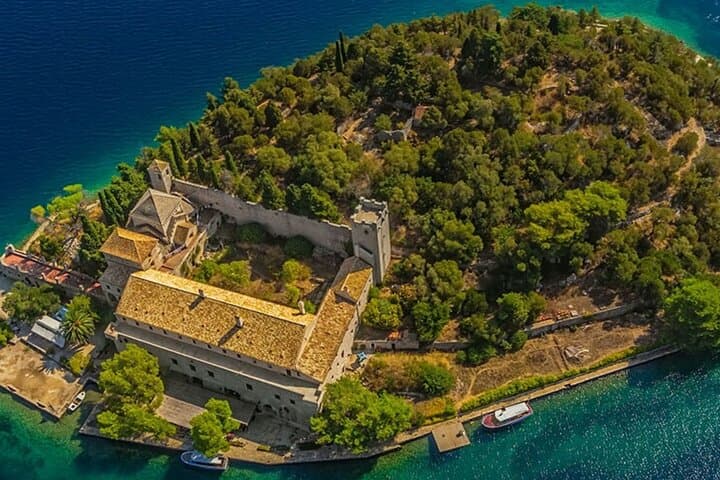
Mljet’s story reads in stone and salt. The island’s karst limestone carved the caves sailors whispered about for centuries and created the shallow basins that hold Veliko and Malo Jezero — the twin lakes at the heart of the national park. Polače, once a Roman port and later a Benedictine outpost, is the practical gateway for walks around the lake and a short ferry to the little island with its 12th‑century monastery. The Odysseus Cave — an atmospheric cleft where light and shadow play on turquoise water — ties the place to Homeric lore.
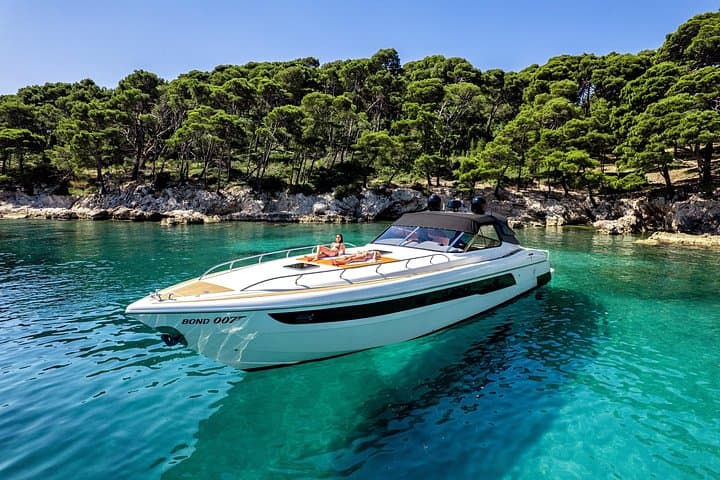
Options on a private boat let you tailor the day: swim and snorkel in Saplunara’s sheltered Blace Beach, or step ashore at Polače for lakeside hiking and a café lunch. Expect short swims, shallow snorkel drops, and quiet forested paths; terrain is mostly flat on the park trails but rocky along cliffs. Practical notes: bring reef‑safe sunscreen, a light wind layer for the crossing, cash for the mandated fuel surcharge and national‑park fees, and waterproof storage for phones.
On such a day the island feels both generous and fragile — lively with marine life and shaded tracks, but governed by park rules and seasonal limits. Time your visit for calmer seas if you plan to swim extensively, and leave no trace: Mljet rewards respectful travel with scenes that stay with you long after the engine revs once more for the return to Dubrovnik.
easy.
8 hours.
Suitable for most fitness levels; requires basic mobility for boarding, short shore walks, and swimming.
National Park admission is not included; expect to pay at Polače if you disembark and explore the lakes.
The fuel surcharge is charged locally at check‑in and varies by vessel — bring euros in cash to cover it.
Basic snorkeling gear and SUP are listed as included on some yacht options; confirm the exact equipment with the provider before departure.
Yes — tours are family‑friendly; children must sit with adults when traveling and non‑swimmers should wear provided flotation and stay near the boat during deeper swims.
Mljet has layered history from Roman ports to a medieval Benedictine monastery by Veliko Jezero; local legend ties the island to Homer’s Odysseus.
Large parts of Mljet are protected as a national park; visitors should use marked trails, avoid anchoring in restricted zones and use reef‑safe products to protect marine habitats.
Dubrovnik Boat Charter operates guided outdoor trips and adventures with an emphasis on safety, stewardship, and memorable experiences.
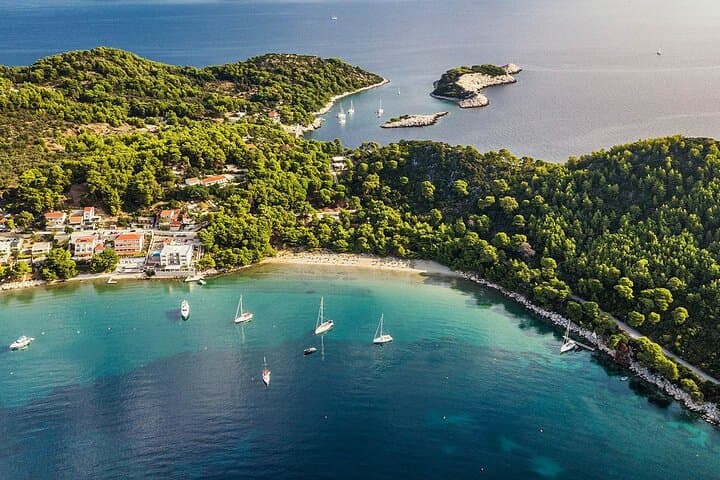
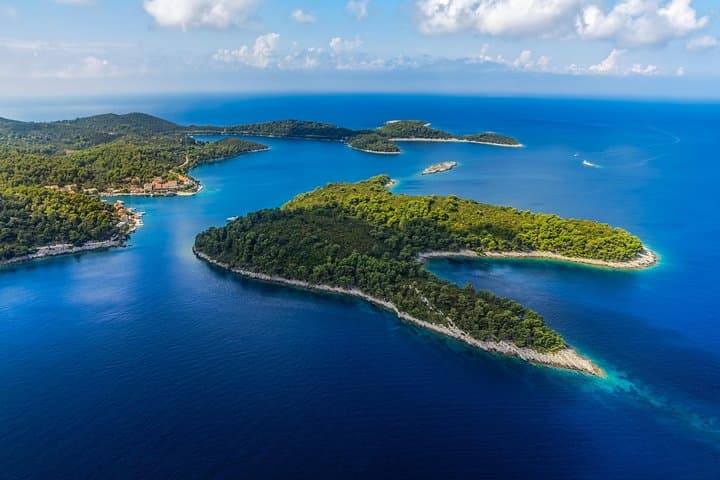
The engine eases out of Gruž Harbor and the Adriatic opens — sun on steel water, the Elaphiti islets slipping past like punctuation marks. Within an hour the limestone cliffs of Mljet appear: green slopes, dark caves, and a coastline that invites you to choose a narrative — myth and monastery or quiet sand and salt lakes.
The engine eases out of Gruž Harbor and the Adriatic opens — sun on steel water, the Elaphiti islets slipping past like punctuation marks. Within an hour the limestone cliffs of Mljet appear: green slopes, dark caves, and a coastline that invites you to choose a narrative — myth and monastery or quiet sand and salt lakes.
Mljet’s story reads in stone and salt. The island’s karst limestone carved the caves sailors whispered about for centuries and created the shallow basins that hold Veliko and Malo Jezero — the twin lakes at the heart of the national park. Polače, once a Roman port and later a Benedictine outpost, is the practical gateway for walks around the lake and a short ferry to the little island with its 12th‑century monastery. The Odysseus Cave — an atmospheric cleft where light and shadow play on turquoise water — ties the place to Homeric lore.
Options on a private boat let you tailor the day: swim and snorkel in Saplunara’s sheltered Blace Beach, or step ashore at Polače for lakeside hiking and a café lunch. Expect short swims, shallow snorkel drops, and quiet forested paths; terrain is mostly flat on the park trails but rocky along cliffs. Practical notes: bring reef‑safe sunscreen, a light wind layer for the crossing, cash for the mandated fuel surcharge and national‑park fees, and waterproof storage for phones.
On such a day the island feels both generous and fragile — lively with marine life and shaded tracks, but governed by park rules and seasonal limits. Time your visit for calmer seas if you plan to swim extensively, and leave no trace: Mljet rewards respectful travel with scenes that stay with you long after the engine revs once more for the return to Dubrovnik.