THE ADVENTURE COLLECTIVE® · Independent discovery and booking for outdoor travel

Board a private charter from Grand Cayman to stand with Southern stingrays on a shallow sandbar, snorkel near starfish beds, and—after dark—swim through bioluminescent water. This intimate boat tour pairs wildlife encounters with local guiding and eco-conscious practices.
Board a private charter from Grand Cayman to stand with Southern stingrays on a shallow sandbar, snorkel near starfish beds, and—after dark—swim through bioluminescent water. This intimate boat tour pairs wildlife encounters with local guiding and eco-conscious practices.
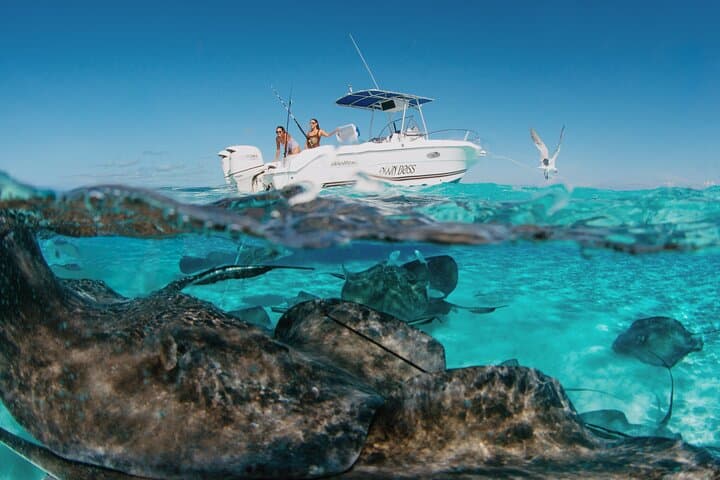
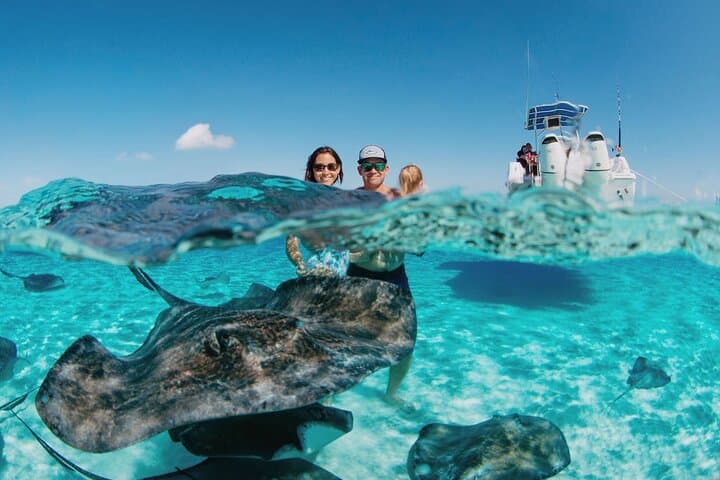
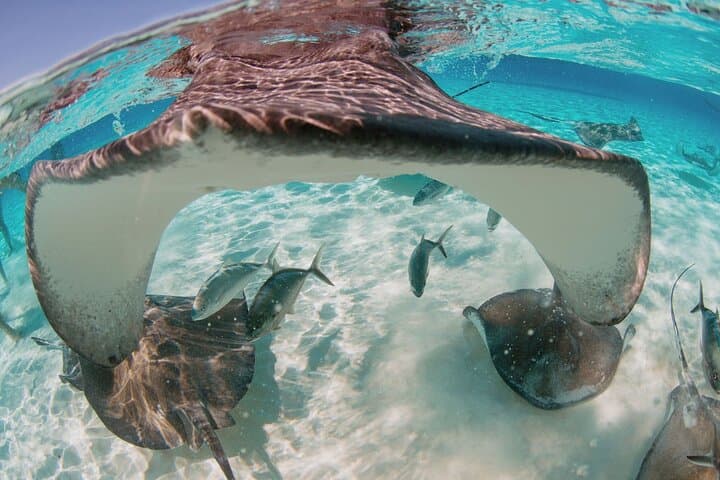
The engine hum fades and the reef rises like a soft, shallow cathedral beneath the boat. Salt air presses cool against your face as guides lower the ladder and the water around the sandbar shivers with movement — dozens of Southern stingrays glide, curious and confident, ferrying you into an encounter that feels at once ancient and immediate.
Verified experiences and guided adventures in the surrounding area.
Operated by Cayboss Charters · George Town, Grand Cayman
The engine hum fades and the reef rises like a soft, shallow cathedral beneath the boat. Salt air presses cool against your face as guides lower the ladder and the water around the sandbar shivers with movement — dozens of Southern stingrays glide, curious and confident, ferrying you into an encounter that feels at once ancient and immediate.
Grand Cayman’s shallow North Sound formed over limestone uplift and coral growth; the sandbars at Stingray City are results of tidal currents and centuries of broken reef. Rum Point and Starfish Point on the calmer eastern side offer sugary sand and waist-deep seagrass beds where starfish take shelter. After sunset, the same water can turn electric: bioluminescent bays here glow when dinoflagellates are stirred, a chemical applause for movement.
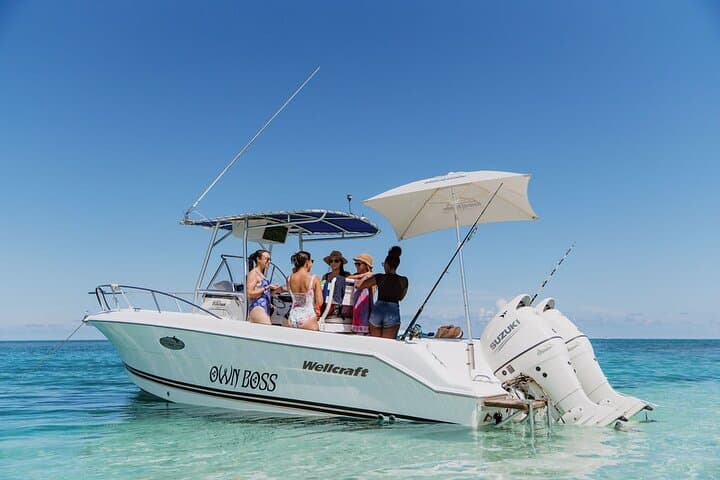
Local guides are often multi-generation islanders who mix seafaring know-how with cultural stories — boat-naming traditions, reef stewardship, and the slow shift from commercial fishing to eco-tourism.
Practical guidance: expect a 3–4 hour round trip leaving from docks near Kaibo or Rum Point; transfers are simple but arrive early to watch gear being staged. Bring reef-safe sunscreen, a snug mask if you prefer your own, and a towel for the ride back. Wear water shoes for rocky docks and practice basic snorkeling before the trip; the sandbar is shallow but currents can push you.
Timing matters: daytime visits are best for clear visibility and close interactions with rays; book a night slot for the bioluminescent bay on a moonless night. Respect wildlife distance rules and follow your guide’s instructions — they're protecting both you and the reef.
moderate.
3–4 hours.
Moderate fitness—comfortable swimming and standing on moving boats recommended
Yes—guided encounters at Stingray City occur in shallow water with trained guides who instruct how to approach and feed rays safely; children should be supervised and follow guides’ directions.
Yes—tours commonly include snorkel gear, bottled water, and safety equipment, though bringing personally fitted masks is recommended for comfort.
Often yes—many operators allow guided swims to experience the glow, but conditions and regulations vary; book a dedicated night slot and confirm swim policy.
Charter departure points like Kaibo or Rum Point are typically 25–45 minutes from George Town by road depending on traffic and exact dock location; arrive early for boarding.
The North Sound and eastern bays were used historically for small‑scale fishing and as sheltered anchorages; tourism shifted local economies toward guided marine experiences in the late 20th century.
Operators emphasize reef-safe practices and limited group sizes to reduce stress on animals; follow guide rules and avoid touching coral to minimize impact.
Cayboss Charters operates guided outdoor trips and adventures with an emphasis on safety, stewardship, and memorable experiences.
The engine hum fades and the reef rises like a soft, shallow cathedral beneath the boat. Salt air presses cool against your face as guides lower the ladder and the water around the sandbar shivers with movement — dozens of Southern stingrays glide, curious and confident, ferrying you into an encounter that feels at once ancient and immediate.
The engine hum fades and the reef rises like a soft, shallow cathedral beneath the boat. Salt air presses cool against your face as guides lower the ladder and the water around the sandbar shivers with movement — dozens of Southern stingrays glide, curious and confident, ferrying you into an encounter that feels at once ancient and immediate.
Grand Cayman’s shallow North Sound formed over limestone uplift and coral growth; the sandbars at Stingray City are results of tidal currents and centuries of broken reef. Rum Point and Starfish Point on the calmer eastern side offer sugary sand and waist-deep seagrass beds where starfish take shelter. After sunset, the same water can turn electric: bioluminescent bays here glow when dinoflagellates are stirred, a chemical applause for movement.
Local guides are often multi-generation islanders who mix seafaring know-how with cultural stories — boat-naming traditions, reef stewardship, and the slow shift from commercial fishing to eco-tourism.
Practical guidance: expect a 3–4 hour round trip leaving from docks near Kaibo or Rum Point; transfers are simple but arrive early to watch gear being staged. Bring reef-safe sunscreen, a snug mask if you prefer your own, and a towel for the ride back. Wear water shoes for rocky docks and practice basic snorkeling before the trip; the sandbar is shallow but currents can push you.
Timing matters: daytime visits are best for clear visibility and close interactions with rays; book a night slot for the bioluminescent bay on a moonless night. Respect wildlife distance rules and follow your guide’s instructions — they're protecting both you and the reef.