THE ADVENTURE COLLECTIVE® · Independent discovery and booking for outdoor travel

Walk Birmingham with a private guide on a 90‑minute tour that threads Victorian squares, civic monuments and industrial canals. Learn the city’s industrial past, Cadbury connections and modern cultural life while strolling accessible paths.
Walk Birmingham with a private guide on a 90‑minute tour that threads Victorian squares, civic monuments and industrial canals. Learn the city’s industrial past, Cadbury connections and modern cultural life while strolling accessible paths.
The tour begins beneath the shadow of St Philip’s Cathedral, where stonework whispers of 18th‑century ambition and the canal water glints like an old coin. Your guide leads you through Victoria Square and past the Town Hall, the city’s civic chest, pausing where industrial Birmingham once hummed with foundries and workshops.
Verified experiences and guided adventures in the surrounding area.
Operated by Walking Tours in England · Birmingham, West Midlands
The tour begins beneath the shadow of St Philip’s Cathedral, where stonework whispers of 18th‑century ambition and the canal water glints like an old coin. Your guide leads you through Victoria Square and past the Town Hall, the city’s civic chest, pausing where industrial Birmingham once hummed with foundries and workshops.
Birmingham’s story is industrial and international: packed brick terraces and Georgian squares give way to Victorian civic architecture and the interlaced canal network—engineered in the 18th century to move coal and iron. The city’s geology is modest—clays and sandstones of the Midlands—yet its cultural layers are rich: from the Lunatic Asylum that made way for modern museums, to Cadbury’s chocolate legacy and the postwar rebuilding that shaped the present skyline.
Expect short, accessible walks on paved streets and towpaths, with frequent stops for anecdotes and local insights. The canals, still edged by ironwork and warehouses, dare you to imagine bargemen’s lives; the modern galleries and memorials invite reflection on civic pride and sacrifice.
Practical guidance: this private 90‑minute route covers roughly 2–3 km with minimal elevation—suitable for most walkers and fully wheelchair accessible. Wear comfortable shoes for cobbles and towpaths, bring a light waterproof if rain is forecast, and pick a morning slot to avoid peak foot traffic. Hotel pickup in the city centre is available, and the small-group, private format allows you to tailor stops—ideal if you want to linger at the Museum & Art Gallery or take photos on the canal.
easy.
1.5 hours.
Suitable for most fitness levels; mostly flat walking with regular stops.
Yes—this private route is designed to be wheelchair accessible with mostly paved surfaces and towpaths; notify the operator at booking for any special arrangements.
Yes—hotel pickup in the city centre is offered; confirm your location and preferred start time when booking.
No—museum or attraction admissions are generally not included, but your guide can recommend or detour to nearby venues.
Guides typically operate in English; request language preferences at booking to confirm availability.
Birmingham’s rapid growth in the 18th–19th centuries was driven by metalworking and canal transport; civic buildings like the Town Hall marked its rise as a national cultural centre.
The canal network is cared for by local trusts and volunteers—stick to paths, avoid littering, and respect protected memorials and museum grounds.
Walking Tours in England operates guided outdoor trips and adventures with an emphasis on safety, stewardship, and memorable experiences.
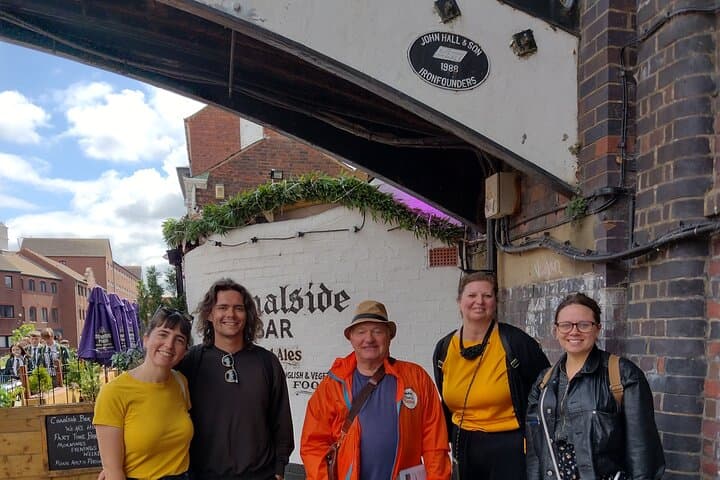
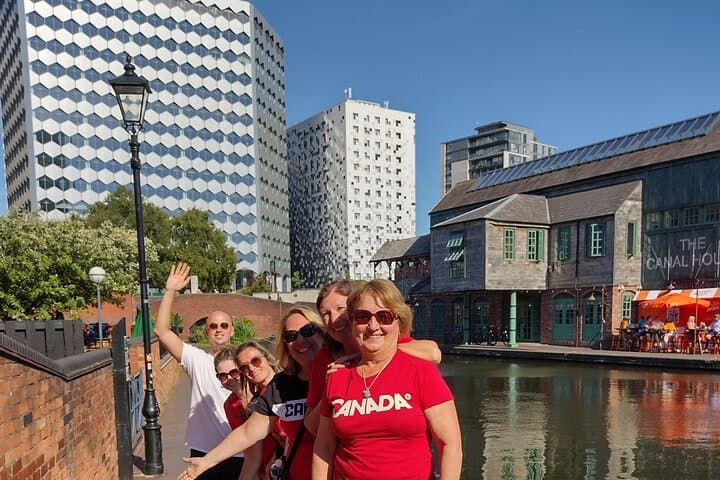
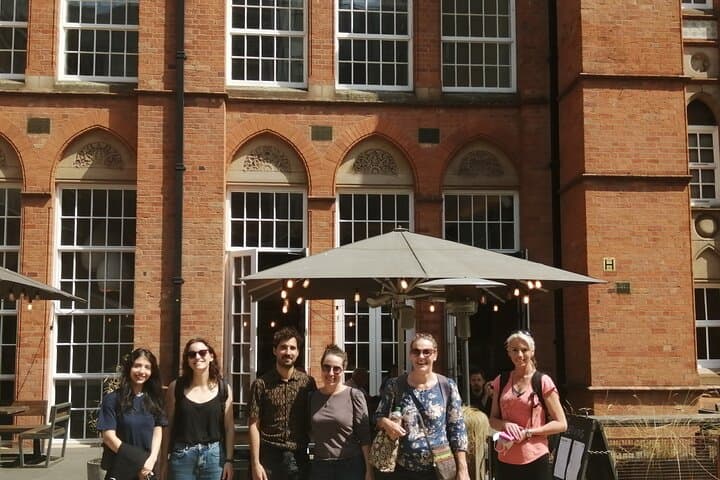
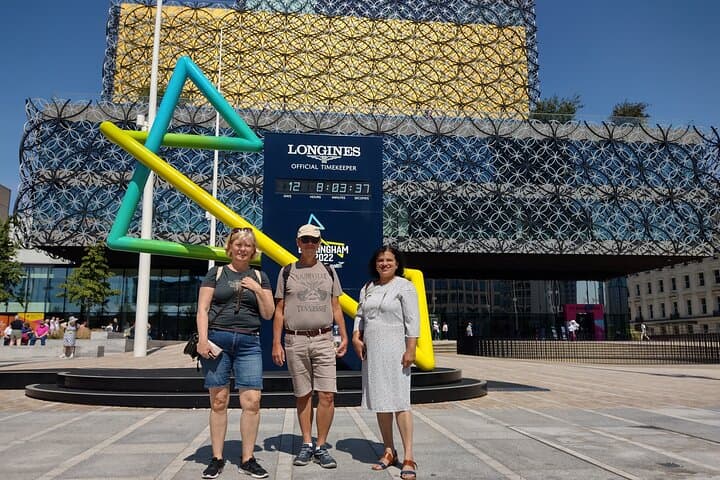
The tour begins beneath the shadow of St Philip’s Cathedral, where stonework whispers of 18th‑century ambition and the canal water glints like an old coin. Your guide leads you through Victoria Square and past the Town Hall, the city’s civic chest, pausing where industrial Birmingham once hummed with foundries and workshops.
The tour begins beneath the shadow of St Philip’s Cathedral, where stonework whispers of 18th‑century ambition and the canal water glints like an old coin. Your guide leads you through Victoria Square and past the Town Hall, the city’s civic chest, pausing where industrial Birmingham once hummed with foundries and workshops.
Birmingham’s story is industrial and international: packed brick terraces and Georgian squares give way to Victorian civic architecture and the interlaced canal network—engineered in the 18th century to move coal and iron. The city’s geology is modest—clays and sandstones of the Midlands—yet its cultural layers are rich: from the Lunatic Asylum that made way for modern museums, to Cadbury’s chocolate legacy and the postwar rebuilding that shaped the present skyline.
Expect short, accessible walks on paved streets and towpaths, with frequent stops for anecdotes and local insights. The canals, still edged by ironwork and warehouses, dare you to imagine bargemen’s lives; the modern galleries and memorials invite reflection on civic pride and sacrifice.
Practical guidance: this private 90‑minute route covers roughly 2–3 km with minimal elevation—suitable for most walkers and fully wheelchair accessible. Wear comfortable shoes for cobbles and towpaths, bring a light waterproof if rain is forecast, and pick a morning slot to avoid peak foot traffic. Hotel pickup in the city centre is available, and the small-group, private format allows you to tailor stops—ideal if you want to linger at the Museum & Art Gallery or take photos on the canal.