THE ADVENTURE COLLECTIVE® · Independent discovery and booking for outdoor travel

Spend a morning with a certified naturalist in Monteverde’s cloud forest, hunting for quetzals, toucans and hummingbirds while learning about the landscape and local conservation efforts. This private tour pairs intimate group sizes with photography-focused stops and telescope viewing.
Spend a morning with a certified naturalist in Monteverde’s cloud forest, hunting for quetzals, toucans and hummingbirds while learning about the landscape and local conservation efforts. This private tour pairs intimate group sizes with photography-focused stops and telescope viewing.
Mist clings to the cloud-forest canopy as your guide brings a soft-focus lens to life: the first calls arrive like punctuation — high, thin, insistent. You follow narrow, damp trails where moss takes on a life of its own and the understory rustles with tanagers and woodcreepers. In Monteverde, the air is cool and thick with the respiration of the forest; each blink can reveal a toucan’s profile or the iridescent flash of a hummingbird.
Verified experiences and guided adventures in the surrounding area.
Operated by Travel and Birding · Monteverde, Puntarenas
Mist clings to the cloud-forest canopy as your guide brings a soft-focus lens to life: the first calls arrive like punctuation — high, thin, insistent. You follow narrow, damp trails where moss takes on a life of its own and the understory rustles with tanagers and woodcreepers. In Monteverde, the air is cool and thick with the respiration of the forest; each blink can reveal a toucan’s profile or the iridescent flash of a hummingbird.
The region’s conservation story matters here. Monteverde’s reserves grew from grassroots protection efforts started by North American settlers and local campesinos in the 1950s; that legacy created a patchwork of private and public reserves that protect cloud forest at about 1,440 m (4,700 ft). Geologically the hills are volcanic in origin, creating steep ridgelines and water-saturated soils that feed the forest’s microclimates. Culturally, birding supports local guides and small lodges — your guide is often the primary connection between visitors and the landscape.
Expect easy to moderate walking on compacted dirt and boardwalks, short uphill sections, and frequent stops for spotting and photography. Dawn and the two hours after sunrise are prime: birds are active and light is softer for telephoto work. Bring a mid-to-long telephoto, binoculars, layered clothing and a waterproof shell; trails can be slippery. Hydrate, move quietly, and lean on your guide’s scope for distant views. If you want the Resplendent Quetzal or scarlet macaw, patience and early starts are the rule — the forest rewards those who watch and wait.
easy.
4 hours.
Suitable for people who can walk 2–4 miles (3–6 km) over uneven, sometimes muddy terrain; short uphill sections possible.
Quetzals are regularly seen in San Gerardo de Dota and Monteverde during the breeding season, but sightings depend on season, timing and patience; early mornings increase chances.
Yes — guides are experienced with novices and adapt pace and explanations; physical demands are low to moderate.
This private tour description includes private transportation; admission details vary by reserve — confirm at booking and have cash or card if a park entry fee applies.
Groups are kept small and private; exact maximums depend on the operator but are designed to minimize disturbance and improve sighting opportunities.
Monteverde’s reserve network grew from mid-20th-century conservation decisions by settlers and locals, creating a mosaic of protected cloud-forest habitat.
Stick to trails and follow guide instructions — local guide fees and park admissions directly support habitat protection and community livelihoods.
Travel and Birding operates guided outdoor trips and adventures with an emphasis on safety, stewardship, and memorable experiences.
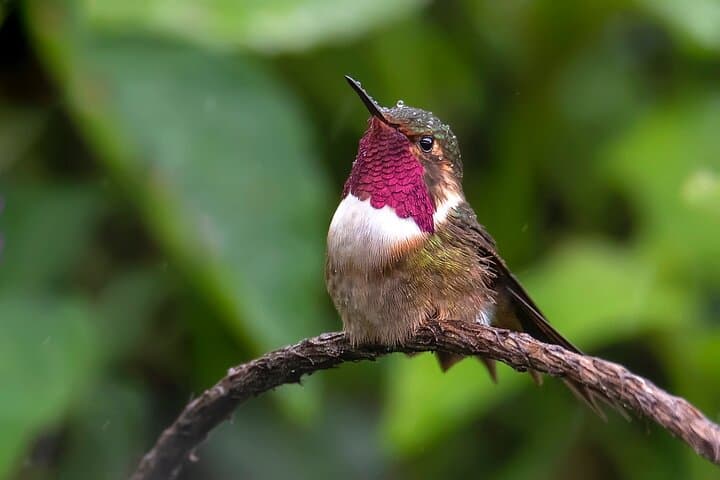
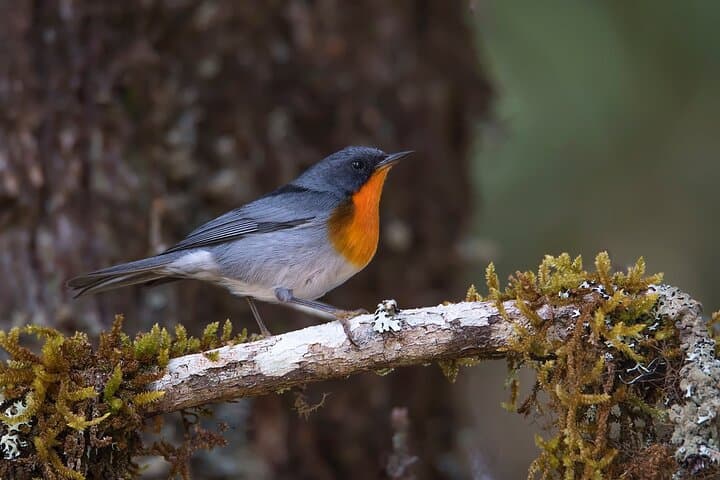
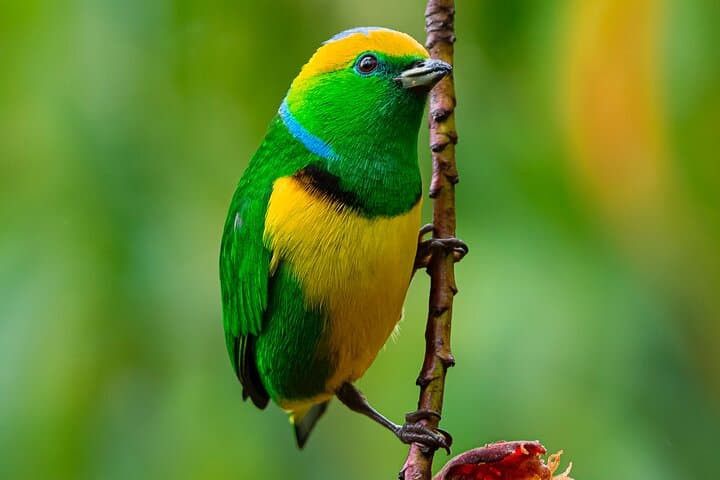
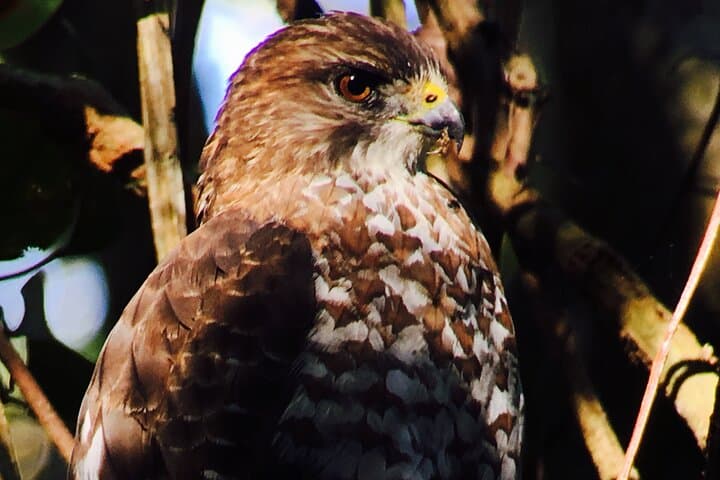
Mist clings to the cloud-forest canopy as your guide brings a soft-focus lens to life: the first calls arrive like punctuation — high, thin, insistent. You follow narrow, damp trails where moss takes on a life of its own and the understory rustles with tanagers and woodcreepers. In Monteverde, the air is cool and thick with the respiration of the forest; each blink can reveal a toucan’s profile or the iridescent flash of a hummingbird.
Mist clings to the cloud-forest canopy as your guide brings a soft-focus lens to life: the first calls arrive like punctuation — high, thin, insistent. You follow narrow, damp trails where moss takes on a life of its own and the understory rustles with tanagers and woodcreepers. In Monteverde, the air is cool and thick with the respiration of the forest; each blink can reveal a toucan’s profile or the iridescent flash of a hummingbird.
The region’s conservation story matters here. Monteverde’s reserves grew from grassroots protection efforts started by North American settlers and local campesinos in the 1950s; that legacy created a patchwork of private and public reserves that protect cloud forest at about 1,440 m (4,700 ft). Geologically the hills are volcanic in origin, creating steep ridgelines and water-saturated soils that feed the forest’s microclimates. Culturally, birding supports local guides and small lodges — your guide is often the primary connection between visitors and the landscape.
Expect easy to moderate walking on compacted dirt and boardwalks, short uphill sections, and frequent stops for spotting and photography. Dawn and the two hours after sunrise are prime: birds are active and light is softer for telephoto work. Bring a mid-to-long telephoto, binoculars, layered clothing and a waterproof shell; trails can be slippery. Hydrate, move quietly, and lean on your guide’s scope for distant views. If you want the Resplendent Quetzal or scarlet macaw, patience and early starts are the rule — the forest rewards those who watch and wait.