THE ADVENTURE COLLECTIVE® · Independent discovery and booking for outdoor travel

Two focused hours of private instruction in Canggu refine your grip, stance, and shot selection. Ideal for beginners and casual players, the class blends repeatable mechanics with match practice in a relaxed, local pool-hall setting.
Two focused hours of private instruction in Canggu refine your grip, stance, and shot selection. Ideal for beginners and casual players, the class blends repeatable mechanics with match practice in a relaxed, local pool-hall setting.
A low-lit cue room in Canggu hums with the scrape of chalk and the soft clack of balls. You step in, cue in hand or borrowed from the house, and the coach measures your stance like a mechanic tuning an engine—small adjustments, immediate gains. This is less about casual play and more about deliberate practice: grip, bridge, stroke, and controlled cue-ball work refined over two focused hours.
Verified experiences and guided adventures in the surrounding area.
Operated by GregorP · Canggu, Bali
A low-lit cue room in Canggu hums with the scrape of chalk and the soft clack of balls. You step in, cue in hand or borrowed from the house, and the coach measures your stance like a mechanic tuning an engine—small adjustments, immediate gains. This is less about casual play and more about deliberate practice: grip, bridge, stroke, and controlled cue-ball work refined over two focused hours.
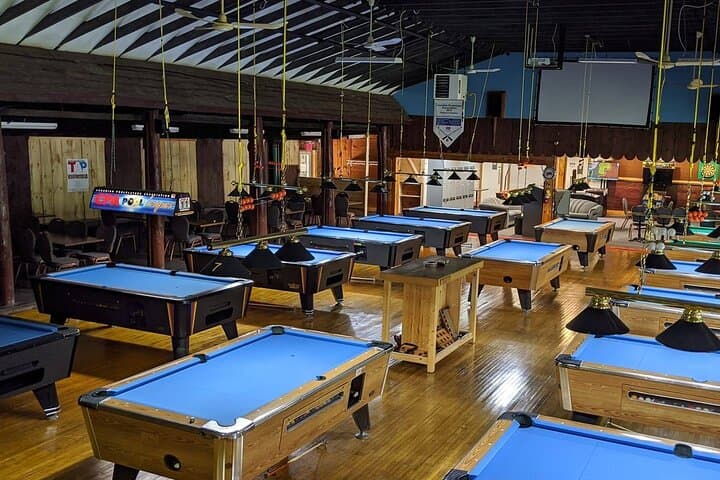
Pool in Bali sits at the intersection of local nightlife and a growing expat scene. The island’s cue sports culture grew alongside coffee shops and surf breaks; today, small halls in coastal towns serve both tourists and residents looking to sharpen a skill. The room itself is often simple—concrete floors, fluorescent light, posters of players—yet the geometry of the table, cloth condition, and chalk-stained hands tell the real story.
Expect step-by-step coaching on fundamentals and common game formats (8-, 9-, 10-ball), drills to improve aim and position play, and match scenarios to test shot selection. Lessons are private and paced to the player: beginners leave with repeatable mechanics, casual players gain strategy, and more advanced students can request competitive drills.
Practical tips: arrive 10 minutes early to warm up and choose a cue, wear closed-toe shoes to steady your stance, and bring water—the humidity can tire the shoulders. Book in advance for evening slots; peak times align with after-surf and sunset social hours. Whether chasing better breaks or just a fun night learning a new craft, this class turns pool into a purposeful, portable skill to take beyond Bali.
easy.
2–2.5 hours.
Light physical activity—basic balance and shoulder endurance required; suitable for most fitness levels
Classes are designed for beginners and casual players; instructors can adapt drills for more experienced students on request.
Most pool halls supply cues and balls, but you may bring your own cue and chalk for comfort and consistency.
This is a private one-on-one session by default, but check with the provider if you want a paired session with a friend.
Full refund available if cancelled at least 24 hours before the scheduled start time; check booking terms for specifics.
Cue sports became popular in Indonesian social spaces during the 20th century; today small coastal towns mix local players with visiting surfers and expats.
Support the local business by minimizing single-use plastics and respecting local noise and neighborhood customs around late-night venues.
GregorP operates guided outdoor trips and adventures with an emphasis on safety, stewardship, and memorable experiences.
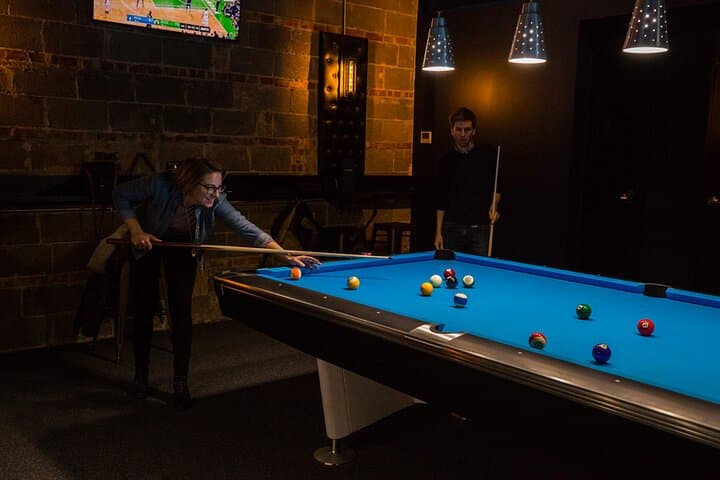
A low-lit cue room in Canggu hums with the scrape of chalk and the soft clack of balls. You step in, cue in hand or borrowed from the house, and the coach measures your stance like a mechanic tuning an engine—small adjustments, immediate gains. This is less about casual play and more about deliberate practice: grip, bridge, stroke, and controlled cue-ball work refined over two focused hours.
A low-lit cue room in Canggu hums with the scrape of chalk and the soft clack of balls. You step in, cue in hand or borrowed from the house, and the coach measures your stance like a mechanic tuning an engine—small adjustments, immediate gains. This is less about casual play and more about deliberate practice: grip, bridge, stroke, and controlled cue-ball work refined over two focused hours.
Pool in Bali sits at the intersection of local nightlife and a growing expat scene. The island’s cue sports culture grew alongside coffee shops and surf breaks; today, small halls in coastal towns serve both tourists and residents looking to sharpen a skill. The room itself is often simple—concrete floors, fluorescent light, posters of players—yet the geometry of the table, cloth condition, and chalk-stained hands tell the real story.
Expect step-by-step coaching on fundamentals and common game formats (8-, 9-, 10-ball), drills to improve aim and position play, and match scenarios to test shot selection. Lessons are private and paced to the player: beginners leave with repeatable mechanics, casual players gain strategy, and more advanced students can request competitive drills.
Practical tips: arrive 10 minutes early to warm up and choose a cue, wear closed-toe shoes to steady your stance, and bring water—the humidity can tire the shoulders. Book in advance for evening slots; peak times align with after-surf and sunset social hours. Whether chasing better breaks or just a fun night learning a new craft, this class turns pool into a purposeful, portable skill to take beyond Bali.