THE ADVENTURE COLLECTIVE® · Independent discovery and booking for outdoor travel

Skip the stress of public shuttles and arrive ready to explore Costa Rica’s Central Pacific. This private bilingual transfer offers punctual pickups, luggage space and local drivers who double as on-route guides.
Skip the stress of public shuttles and arrive ready to explore Costa Rica’s Central Pacific. This private bilingual transfer offers punctual pickups, luggage space and local drivers who double as on-route guides.
You step into an air-conditioned van at dawn, the coastal road unfurling between palms and the Pacific beyond. The driver—bilingual, local—asks your route, checks your bags into a roomy cargo bay, and sets a steady pace past roadside fruit stalls, river mouths, and green ridgelines that spill into the sea. This is private transfer in Costa Rica’s Central Pacific: practical mobility that places you directly into landscape and culture rather than a crowded bus.
Verified experiences and guided adventures in the surrounding area.
Operated by CRJOURNEY · Quepos, Puntarenas
You step into an air-conditioned van at dawn, the coastal road unfurling between palms and the Pacific beyond. The driver—bilingual, local—asks your route, checks your bags into a roomy cargo bay, and sets a steady pace past roadside fruit stalls, river mouths, and green ridgelines that spill into the sea. This is private transfer in Costa Rica’s Central Pacific: practical mobility that places you directly into landscape and culture rather than a crowded bus.
The Central Pacific corridor grew along trade and tourism routes linking Puntarenas port towns to the national parks of Manuel Antonio and farther south. Geologically, the region is defined by volcanic uplands feeding narrow coastal plains; rivers cut fast channels to the ocean and beaches collect the ebb of seasonal runoff. Culturally, drivers often double as informal guides—pointing out farms, wildlife, and small cafés where locals gather.
Practical guidance: plan transfers for daylight whenever possible—road conditions and sightlines improve and you’ll catch wildlife along the roadside. Allow extra time during the “green” season (May–November) for slower travel on wet roads. Confirm pickup by WhatsApp and share flight or cruise arrival details; most operators provide infant seats on request and room for surfboards or luggage. Bring light layers (air-conditioning can feel cool), bottled water, and local currency for small stops or tips.
A private bilingual transfer removes the logistics from your itinerary so you can focus on the coast: arrive rested, oriented, and ready to explore.
easy.
2–4 hours (typical booking range).
No special fitness required; suitable for all travelers.
Yes—provide your flight or cruise details and pickup point when booking so the driver can time the meeting.
Most vehicles have cargo space for standard luggage; request surfboard or oversized-item transport in advance to ensure availability.
Tipping is customary for good service; have small bills in colones or U.S. dollars depending on provider preference.
Full refund if cancelled at least 24 hours before the scheduled departure; after that, refunds are generally not available.
The Central Pacific route developed from coastal trading and port activity; tourism expanded with paved coastal roads connecting towns like Jaco and Quepos in the late 20th century.
Operators are urged to limit roadside stops in sensitive habitats and follow local rules in national parks; minimizing idling and sticking to paved pullouts reduces impact.
CRJOURNEY operates guided outdoor trips and adventures with an emphasis on safety, stewardship, and memorable experiences.

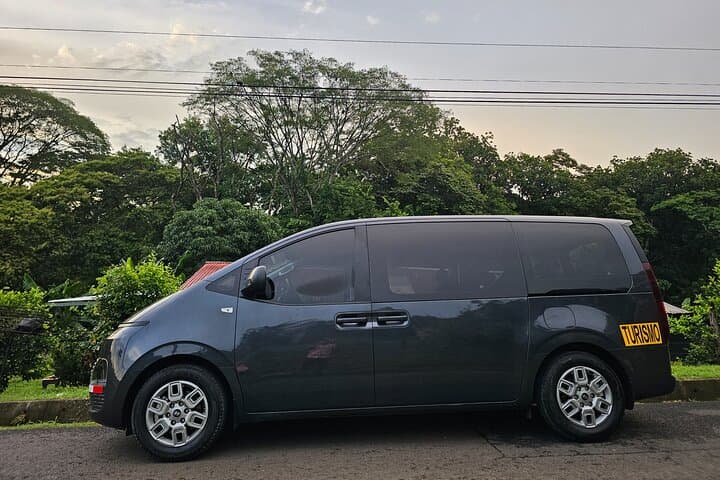
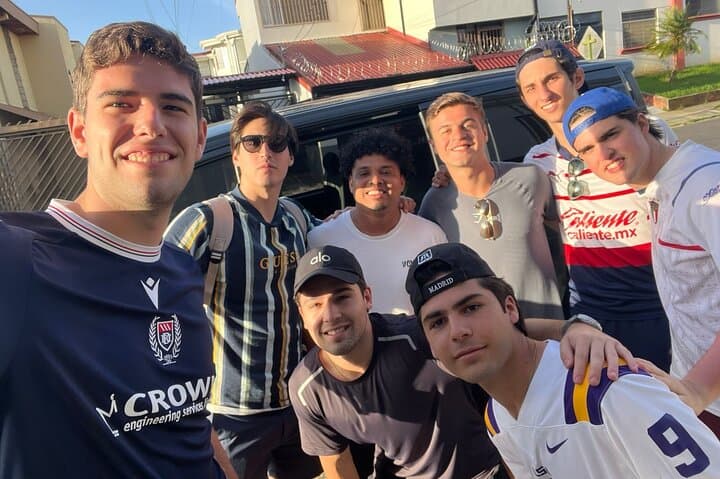

You step into an air-conditioned van at dawn, the coastal road unfurling between palms and the Pacific beyond. The driver—bilingual, local—asks your route, checks your bags into a roomy cargo bay, and sets a steady pace past roadside fruit stalls, river mouths, and green ridgelines that spill into the sea. This is private transfer in Costa Rica’s Central Pacific: practical mobility that places you directly into landscape and culture rather than a crowded bus.
You step into an air-conditioned van at dawn, the coastal road unfurling between palms and the Pacific beyond. The driver—bilingual, local—asks your route, checks your bags into a roomy cargo bay, and sets a steady pace past roadside fruit stalls, river mouths, and green ridgelines that spill into the sea. This is private transfer in Costa Rica’s Central Pacific: practical mobility that places you directly into landscape and culture rather than a crowded bus.
The Central Pacific corridor grew along trade and tourism routes linking Puntarenas port towns to the national parks of Manuel Antonio and farther south. Geologically, the region is defined by volcanic uplands feeding narrow coastal plains; rivers cut fast channels to the ocean and beaches collect the ebb of seasonal runoff. Culturally, drivers often double as informal guides—pointing out farms, wildlife, and small cafés where locals gather.
Practical guidance: plan transfers for daylight whenever possible—road conditions and sightlines improve and you’ll catch wildlife along the roadside. Allow extra time during the “green” season (May–November) for slower travel on wet roads. Confirm pickup by WhatsApp and share flight or cruise arrival details; most operators provide infant seats on request and room for surfboards or luggage. Bring light layers (air-conditioning can feel cool), bottled water, and local currency for small stops or tips.
A private bilingual transfer removes the logistics from your itinerary so you can focus on the coast: arrive rested, oriented, and ready to explore.