THE ADVENTURE COLLECTIVE® · Independent discovery and booking for outdoor travel

Spend a day exploring historic Cape Dutch estates and tasting the full-bodied reds that define the Stellenbosch and Helderberg valleys. This private tour combines curated tastings, cellar visits, and a lunch stop with scenic vineyard views.
Spend a day exploring historic Cape Dutch estates and tasting the full-bodied reds that define the Stellenbosch and Helderberg valleys. This private tour combines curated tastings, cellar visits, and a lunch stop with scenic vineyard views.
A morning mist lifts off the vineyards as the minivan threads a lane between stone walls and Cape Dutch homesteads. The air tastes faintly of oak and cedar; the vines, trained along low trellises, seem to lean toward the cool Atlantic influence that shapes the region’s reds. Guests move from cellar to shaded tasting terrace, glasses chiming softly while the landscape — mountains to one side, ocean-scented air to the other — sets the scene.
Verified experiences and guided adventures in the surrounding area.
Operated by Tsiba Tsiba Tours · Stellenbosch, Western Cape
A morning mist lifts off the vineyards as the minivan threads a lane between stone walls and Cape Dutch homesteads. The air tastes faintly of oak and cedar; the vines, trained along low trellises, seem to lean toward the cool Atlantic influence that shapes the region’s reds. Guests move from cellar to shaded tasting terrace, glasses chiming softly while the landscape — mountains to one side, ocean-scented air to the other — sets the scene.
This route traces estates with roots in the 18th century and pockets of newer, boutique producers. Meerlust, established in 1756, introduced Bordeaux-style blends to South Africa, and estates in the Helderberg and Stellenbosch foothills exploit evening sea breezes to produce concentrated, age-worthy reds. Cape Dutch architecture and centuries-old oak trees mark the cultural landscape; winemaking here is as much about place and microclimate as it is about technique.
Practicalities matter: the tour runs 7–8 hours, includes air-conditioned transport, tastings and a guided commentary, with a lunch stop on an estate (own account). Bring a light layer for coastal winds, hydrate between flights, and book dietary requirements in advance. Expect gentle walking on gravel and lawns, cellar stairs at some estates, and the chance to buy bottles directly from producers.
Timing your visit for late morning avoids midday heat in summer and captures the stillness of harvest in late autumn. Be prepared to taste structured cabernets and Bordeaux-style blends; pace yourself, take water, and let the terroir speak through each glass.
easy.
7–8 hours.
Suitable for most fitness levels; involves short walks on uneven gravel/grass and some cellar stairs, but no strenuous activity.
Yes—air-conditioned private transport with collection from your accommodation is included for the duration of the tour.
All tastings listed are included; lunch is at your own expense and there are estate restaurants that cater to various diets if arranged ahead.
The legal minimum age for alcohol in South Africa is 18; ID may be required for guests who appear underage.
The operator lists wheelchair-accessible transport, but some historic cellars and tasting areas may have steps—advise special requirements at booking for site-specific access arrangements.
Many estates date to the 18th century when Dutch settlers established farms; Meerlust (since 1756) helped pioneer Bordeaux-style blends in South Africa.
Vineyards in the Winelands are increasingly adopting water-wise irrigation and organic practices; respect private property, avoid littering, and follow estate guidelines to minimize impact.
Tsiba Tsiba Tours operates guided outdoor trips and adventures with an emphasis on safety, stewardship, and memorable experiences.
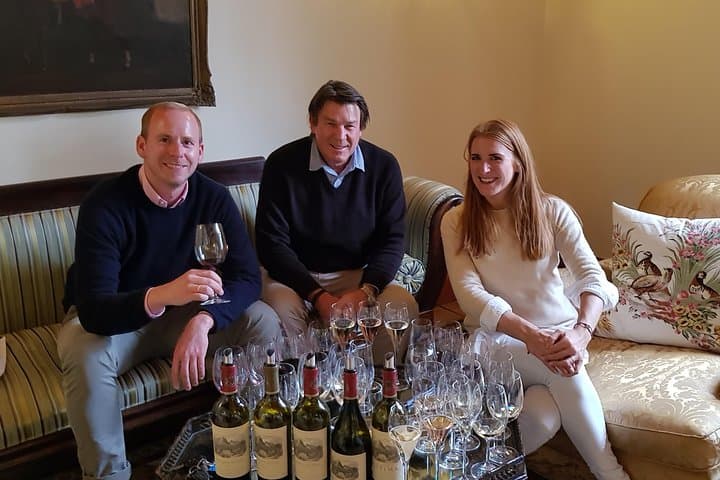
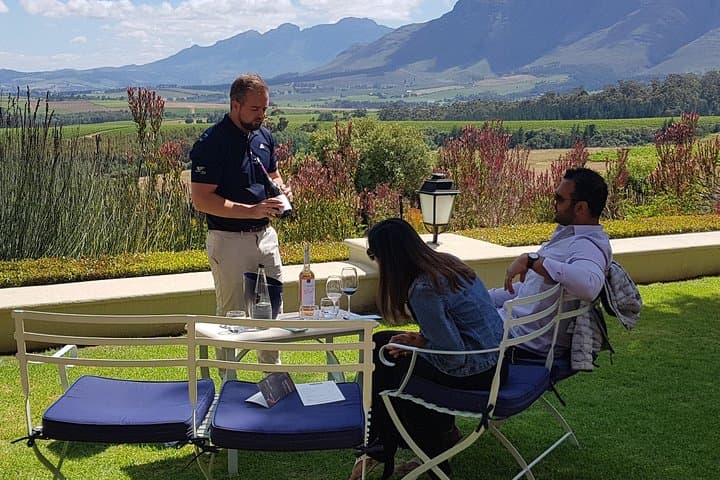
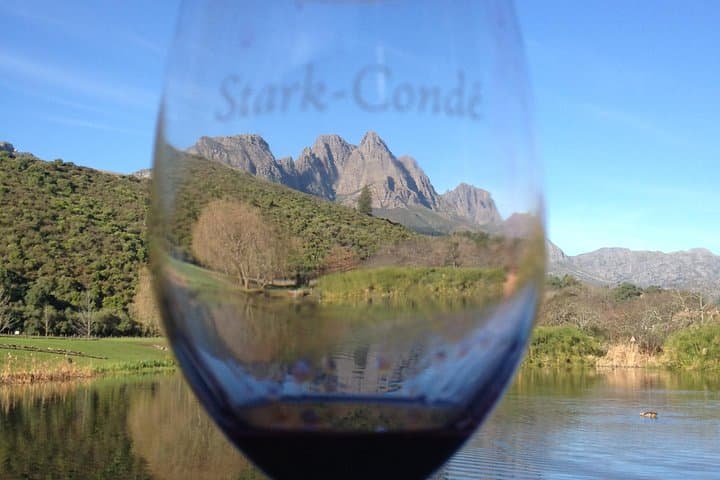
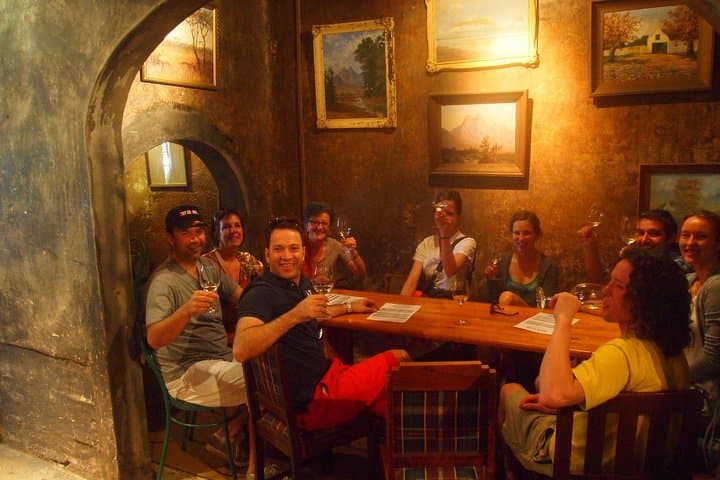
A morning mist lifts off the vineyards as the minivan threads a lane between stone walls and Cape Dutch homesteads. The air tastes faintly of oak and cedar; the vines, trained along low trellises, seem to lean toward the cool Atlantic influence that shapes the region’s reds. Guests move from cellar to shaded tasting terrace, glasses chiming softly while the landscape — mountains to one side, ocean-scented air to the other — sets the scene.
A morning mist lifts off the vineyards as the minivan threads a lane between stone walls and Cape Dutch homesteads. The air tastes faintly of oak and cedar; the vines, trained along low trellises, seem to lean toward the cool Atlantic influence that shapes the region’s reds. Guests move from cellar to shaded tasting terrace, glasses chiming softly while the landscape — mountains to one side, ocean-scented air to the other — sets the scene.
This route traces estates with roots in the 18th century and pockets of newer, boutique producers. Meerlust, established in 1756, introduced Bordeaux-style blends to South Africa, and estates in the Helderberg and Stellenbosch foothills exploit evening sea breezes to produce concentrated, age-worthy reds. Cape Dutch architecture and centuries-old oak trees mark the cultural landscape; winemaking here is as much about place and microclimate as it is about technique.
Practicalities matter: the tour runs 7–8 hours, includes air-conditioned transport, tastings and a guided commentary, with a lunch stop on an estate (own account). Bring a light layer for coastal winds, hydrate between flights, and book dietary requirements in advance. Expect gentle walking on gravel and lawns, cellar stairs at some estates, and the chance to buy bottles directly from producers.
Timing your visit for late morning avoids midday heat in summer and captures the stillness of harvest in late autumn. Be prepared to taste structured cabernets and Bordeaux-style blends; pace yourself, take water, and let the terroir speak through each glass.