THE ADVENTURE COLLECTIVE® · Independent discovery and booking for outdoor travel

Explore Beppu’s steaming Jigoku on a private, customizable full-day tour — seven dramatic hot-spring sites, a medicinal mud bath, and local onsen culture explained by an English-speaking guide. This tour blends geology, history, and practical insights to help you experience Oita’s geothermal heart.
Explore Beppu’s steaming Jigoku on a private, customizable full-day tour — seven dramatic hot-spring sites, a medicinal mud bath, and local onsen culture explained by an English-speaking guide. This tour blends geology, history, and practical insights to help you experience Oita’s geothermal heart.
Steam rises from shallow ponds like a slow-breathing beast as the bus pulls into Beppu’s Jigoku district. Walking past cobalt and ochre pools, visitors feel the ground’s geothermal pulse—hot, mineral-rich water seeping up through volcanic rock and announcing a landscape still being formed.
Verified experiences and guided adventures in the surrounding area.
Operated by SMEKK Inc Stars Japan Travel · Beppu, Oita
Steam rises from shallow ponds like a slow-breathing beast as the bus pulls into Beppu’s Jigoku district. Walking past cobalt and ochre pools, visitors feel the ground’s geothermal pulse—hot, mineral-rich water seeping up through volcanic rock and announcing a landscape still being formed.
Beppu’s hells (jigoku) are primarily for viewing: bubbling mud, cobalt-blue ponds and geyser basins created by the sub-surface heat of the Aso–Beppu volcanic zone. The city’s onsen culture stretches back centuries; some local production methods—like collecting yunohana (bath salts precipitated from hot spring water)—date to the Edo period and survive in small workshops. The area’s volcanic geology explains both the quantity and variety of springs that cluster along Beppu Bay.
A private, customizable tour combines these geology-rich stops with cultural touches: a guided explanation of onsen etiquette, a chance to try a medicinal mud spring, and a stop at an observation tower for sweeping views of the bay. Expect short walks on paved paths, some steps in older districts such as Kannawa, and plenty of photo opportunities.
Practical guidance: book morning departures to avoid afternoon crowds; bring a small towel, light layers for steam and sea breeze, and a reusable water bottle. Wear comfortable, non-slip shoes for wet boardwalks and be prepared to follow local bathing rules if you choose to visit a public onsen after the viewings. A private guide shortens transitions and translates cultural context, turning a sightseeing day into a focused introduction to Beppu’s geothermal world.
moderate.
10 hours.
Light to moderate fitness for multiple short walks, a few stair sections, and standing at viewpoints; suitable for most active travelers.
No—most jigoku are for viewing only because pools are too hot or acidic; the tour often includes or can add a separate onsen where bathing is allowed.
Yes, the listed tour includes transportation and is run as a private tour with pickup options—confirm pickup point when booking.
Yes, this private tour provides English-speaking staff to explain geology, history, and onsen etiquette.
Moderate: expect several short walks, some steps in historic districts, and standing at viewpoints over a roughly 10-hour day including transit.
Beppu’s onsen use dates back centuries; many hot-spring products and small bathhouses grew during the Edo period and expanded through the Meiji era into the modern spa city it is today.
Visitors are asked to respect water use and onsen etiquette—avoid soaps in public springs and follow local guidance to minimize impact on fragile geothermal features.
SMEKK Inc Stars Japan Travel operates guided outdoor trips and adventures with an emphasis on safety, stewardship, and memorable experiences.
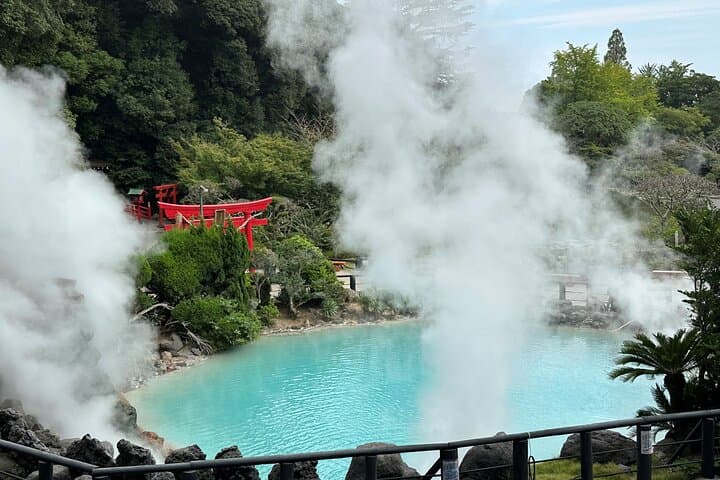
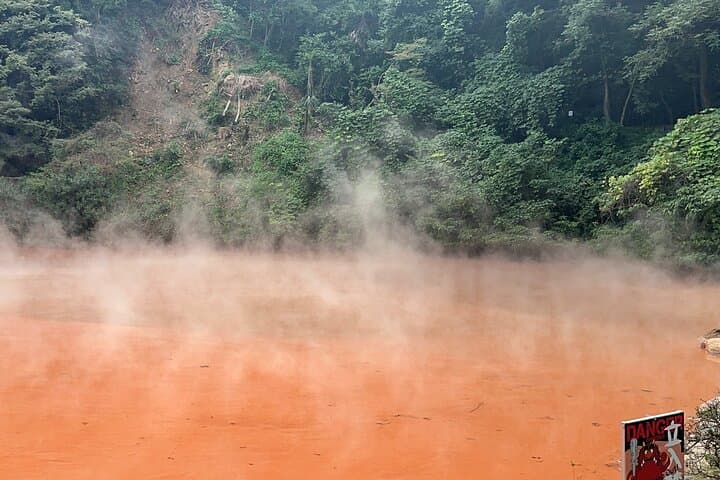
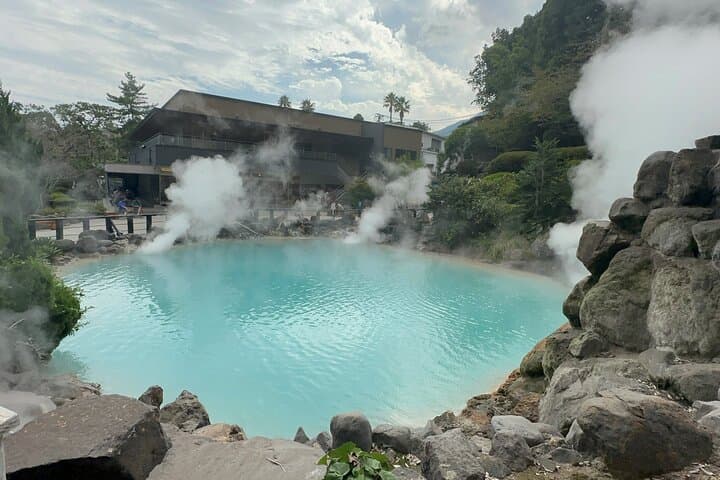
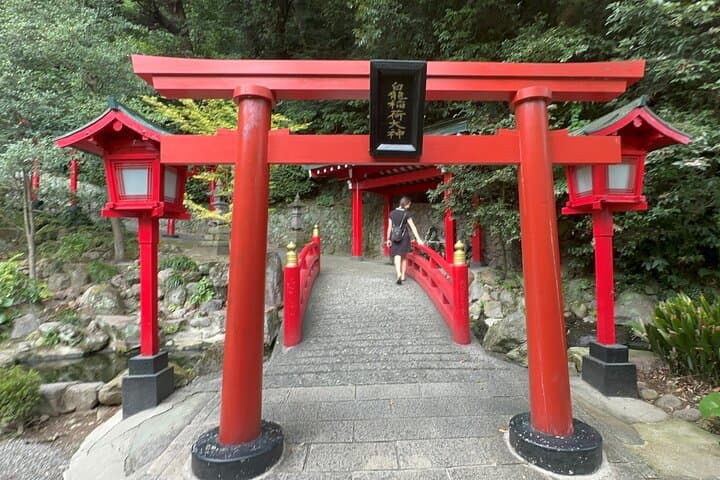
Steam rises from shallow ponds like a slow-breathing beast as the bus pulls into Beppu’s Jigoku district. Walking past cobalt and ochre pools, visitors feel the ground’s geothermal pulse—hot, mineral-rich water seeping up through volcanic rock and announcing a landscape still being formed.
Steam rises from shallow ponds like a slow-breathing beast as the bus pulls into Beppu’s Jigoku district. Walking past cobalt and ochre pools, visitors feel the ground’s geothermal pulse—hot, mineral-rich water seeping up through volcanic rock and announcing a landscape still being formed.
Beppu’s hells (jigoku) are primarily for viewing: bubbling mud, cobalt-blue ponds and geyser basins created by the sub-surface heat of the Aso–Beppu volcanic zone. The city’s onsen culture stretches back centuries; some local production methods—like collecting yunohana (bath salts precipitated from hot spring water)—date to the Edo period and survive in small workshops. The area’s volcanic geology explains both the quantity and variety of springs that cluster along Beppu Bay.
A private, customizable tour combines these geology-rich stops with cultural touches: a guided explanation of onsen etiquette, a chance to try a medicinal mud spring, and a stop at an observation tower for sweeping views of the bay. Expect short walks on paved paths, some steps in older districts such as Kannawa, and plenty of photo opportunities.
Practical guidance: book morning departures to avoid afternoon crowds; bring a small towel, light layers for steam and sea breeze, and a reusable water bottle. Wear comfortable, non-slip shoes for wet boardwalks and be prepared to follow local bathing rules if you choose to visit a public onsen after the viewings. A private guide shortens transitions and translates cultural context, turning a sightseeing day into a focused introduction to Beppu’s geothermal world.