THE ADVENTURE COLLECTIVE® · Independent discovery and booking for outdoor travel

Learn to stand on a board in a private 90-minute session at Kuta Beach. This 1-on-1 beginner lesson focuses on safety, pop-up technique, and catching gentle beach-break waves.
Learn to stand on a board in a private 90-minute session at Kuta Beach. This 1-on-1 beginner lesson focuses on safety, pop-up technique, and catching gentle beach-break waves.
Early morning at Kuta Beach feels like a quiet rehearsal: the Indian Ocean rolls in measured sets, the surf nudging the shoreline and scattering footprints across coarse, golden sand.
Verified experiences and guided adventures in the surrounding area.
Operated by 27 Surf School Bali · Kuta, Bali
Early morning at Kuta Beach feels like a quiet rehearsal: the Indian Ocean rolls in measured sets, the surf nudging the shoreline and scattering footprints across coarse, golden sand.
This private 90-minute lesson places a new surfer in that rehearsal, starting on land with posture and pop-up drills before moving into waist- to chest-deep whitewater. Kuta’s rise from a 20th-century fishing village to Bali’s busiest beach town brought surf culture in the 1970s; today its broad beach break and sandy bottom deliver predictable, forgiving waves ideal for first-timers. Geologically, Bali is volcanic—sand here comes from eroded reefs and basaltic rock, yielding the long, shallow beach breaks that make standing up easier.
Locally, surf schools are part of the economy: instructors often come from nearby communities and blend Western technique with Balinese hospitality. Expect practical instruction—safety briefings, rash guards, reef-safe zinc, and foam boards sized for stability.
Practical guidance: come hydrated, wear swimwear under quick-dry shorts, and apply reef-safe sunscreen. Lessons focus on whitewater wave-catching; instructors won’t take beginners into deep water. Not recommended for pregnant travelers or people with serious heart or spinal conditions. Hotel pickup is usually available for an extra fee and public transport options run nearby.
Timing with tides matters—mornings and mid-tide often offer the gentlest conditions. After the lesson there’s time to sit on the sand, watch sets roll in, and feel the ocean’s steady, expectant pull—enough to make most people book a second session.
easy.
90 minutes.
Suitable for most fitness levels; basic swimming comfort and upper-body mobility help with paddling and pop-ups.
Basic comfort in water is recommended; instructors keep beginners in shallow whitewater and provide hands-on support, but you should be able to float and move through waist-deep water.
The 90-minute private lesson includes an instructor, surfboard, rash guard, zinc, and a sand-based theory/practice session before entering the water.
Pickup is typically offered but may be optional and incur an additional fee—confirm during booking and provide your pickup location.
Children can participate if they meet the operator’s age requirements and health guidelines; infants must sit on an adult’s lap and special restrictions apply for certain conditions.
Kuta evolved from a coastal fishing settlement into Bali’s surf and tourism hub in the late 20th century, attracting international surfers and surf schools.
Plastic pollution and beach erosion are ongoing concerns; choose operators who use reef‑safe sunscreen and support local cleanups when possible.
27 Surf School Bali operates guided outdoor trips and adventures with an emphasis on safety, stewardship, and memorable experiences.
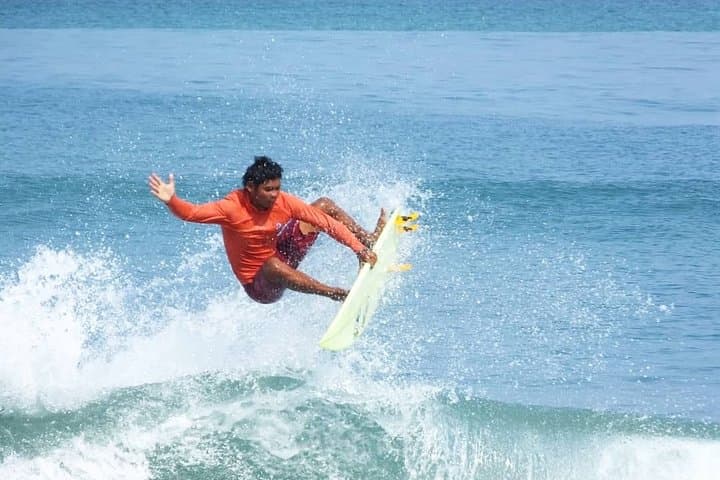
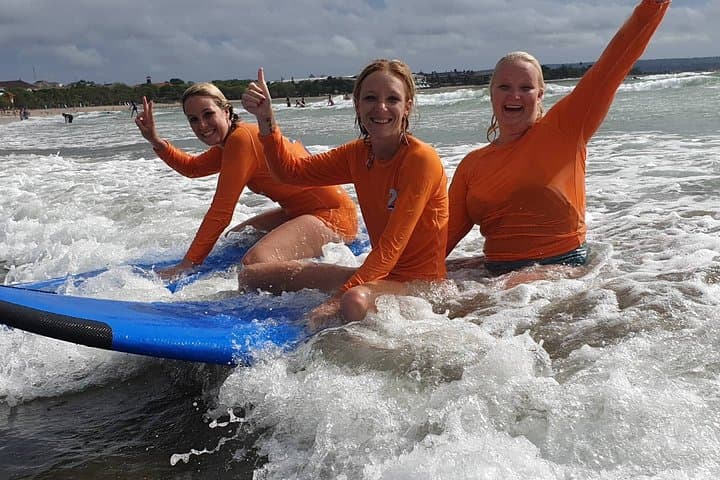
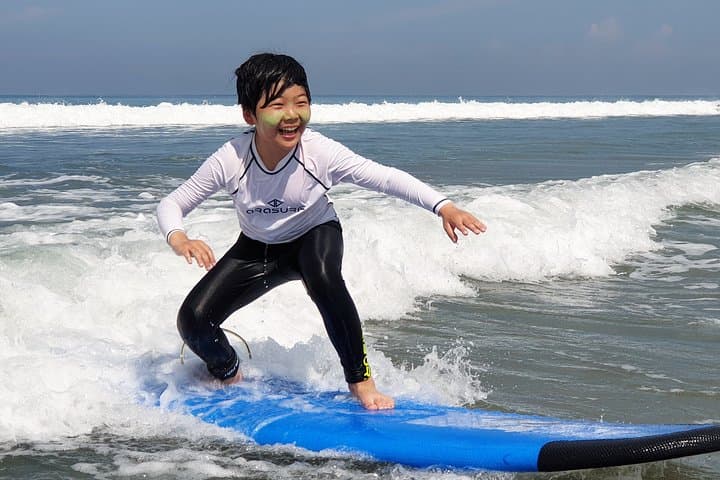
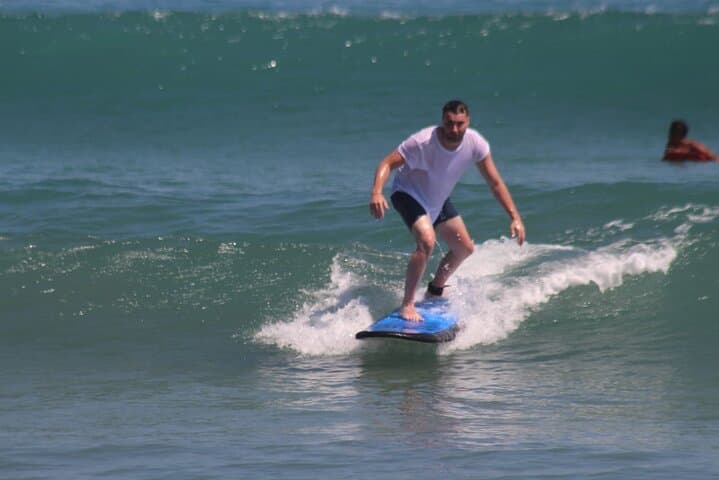
Early morning at Kuta Beach feels like a quiet rehearsal: the Indian Ocean rolls in measured sets, the surf nudging the shoreline and scattering footprints across coarse, golden sand.
Early morning at Kuta Beach feels like a quiet rehearsal: the Indian Ocean rolls in measured sets, the surf nudging the shoreline and scattering footprints across coarse, golden sand.
This private 90-minute lesson places a new surfer in that rehearsal, starting on land with posture and pop-up drills before moving into waist- to chest-deep whitewater. Kuta’s rise from a 20th-century fishing village to Bali’s busiest beach town brought surf culture in the 1970s; today its broad beach break and sandy bottom deliver predictable, forgiving waves ideal for first-timers. Geologically, Bali is volcanic—sand here comes from eroded reefs and basaltic rock, yielding the long, shallow beach breaks that make standing up easier.
Locally, surf schools are part of the economy: instructors often come from nearby communities and blend Western technique with Balinese hospitality. Expect practical instruction—safety briefings, rash guards, reef-safe zinc, and foam boards sized for stability.
Practical guidance: come hydrated, wear swimwear under quick-dry shorts, and apply reef-safe sunscreen. Lessons focus on whitewater wave-catching; instructors won’t take beginners into deep water. Not recommended for pregnant travelers or people with serious heart or spinal conditions. Hotel pickup is usually available for an extra fee and public transport options run nearby.
Timing with tides matters—mornings and mid-tide often offer the gentlest conditions. After the lesson there’s time to sit on the sand, watch sets roll in, and feel the ocean’s steady, expectant pull—enough to make most people book a second session.