THE ADVENTURE COLLECTIVE® · Independent discovery and booking for outdoor travel

Walk 12 km of forest and field outside Zadar, taste multiple honeys, and experience a private apitherapy inhalation in a stone house beside an active apiary. This guided, wheelchair-accessible session blends natural history, hands-on beekeeping, and local honey tasting.
Walk 12 km of forest and field outside Zadar, taste multiple honeys, and experience a private apitherapy inhalation in a stone house beside an active apiary. This guided, wheelchair-accessible session blends natural history, hands-on beekeeping, and local honey tasting.
You arrive on a sun-warmed dirt lane, the sea-scented breeze carrying a distant hum. Pine and field meet here in the outskirts of Zadar, and the sound of bees threads through the air—alive, purposeful, constant. The guide leads you past wildflowers and low stone walls to a small stone-and-brick inhalation house where one person inhales warm hive air while another watches bees through a glass panel.
Verified experiences and guided adventures in the surrounding area.
Operated by Taxi Zadar · Zadar, Zadar County
You arrive on a sun-warmed dirt lane, the sea-scented breeze carrying a distant hum. Pine and field meet here in the outskirts of Zadar, and the sound of bees threads through the air—alive, purposeful, constant. The guide leads you past wildflowers and low stone walls to a small stone-and-brick inhalation house where one person inhales warm hive air while another watches bees through a glass panel.
Beekeeping is an old practice across Dalmatia, where honey and bee products have fed families and local economies for generations. Geologically the area is karst—rocky limestone that creates dry, scrubby fields interspersed with pine and oak, a habitat bees favor for foraging. Culturally, visiting a family apiary is a window into rural life: jars of different honeys, propolis, and wax sit on simple shelves while the beekeeper explains seasonal cycles.
Practically, the experience blends a gentle 12 km walk across mixed forest and meadow with a private, guided apitherapy session. Expect easy terrain with short climbs, well-constructed paths, and prolonged periods standing near hives. The inhalation house is ventilated but intimate; participants with severe allergies should consult a physician beforehand.
Bring water, sun protection, and closed-toe shoes. The tour includes private transportation and is wheelchair accessible in key areas, but ask your operator about specific pickup points. For those curious about natural remedies, the session is an informative, sensory immersion into beekeeping and honey tasting rather than a medical treatment. Leave space in your bag for a jar of single-origin honey—you’ll likely want to take some home.
easy.
4 hours.
Suitable for most fitness levels; expect several hours on gentle trails with short climbs
If you have any bee allergy, consult your doctor before booking; the experience places you close to hives and involves inhaling air from near bees, which may trigger reactions.
Yes—private transportation is included; confirm your pickup location and any accessibility needs when booking.
Children are permitted; operators typically provide stroller access and note that the activity is family-friendly, though supervision near hives is required.
Bees are generally calm around managed hives, and guides use protective methods, but occasional stings are possible; people with severe reactions should not participate.
Beekeeping in Dalmatia dates back centuries; local beekeepers have long produced honey varieties tied to specific coastal herbs and karst flora.
Support operators who avoid pesticides and practice sustainable hive management; staying on paths and minimizing disturbance helps protect foraging habitat.
Taxi Zadar operates guided outdoor trips and adventures with an emphasis on safety, stewardship, and memorable experiences.
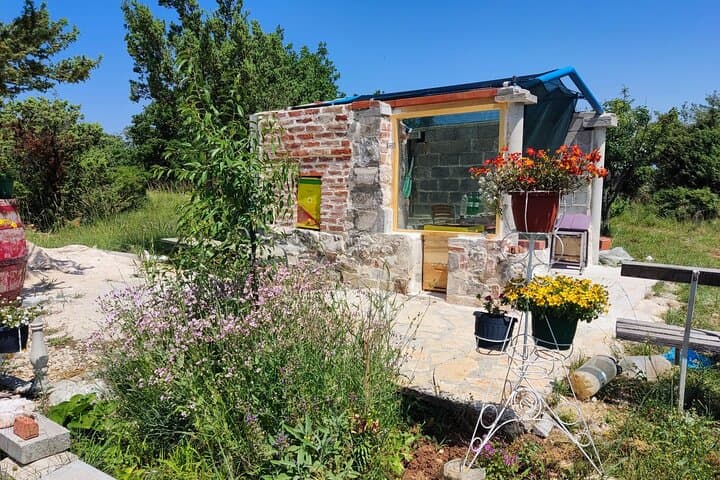
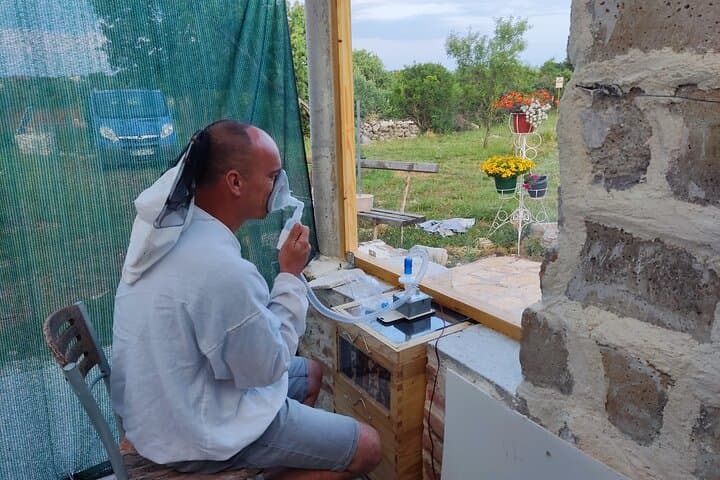
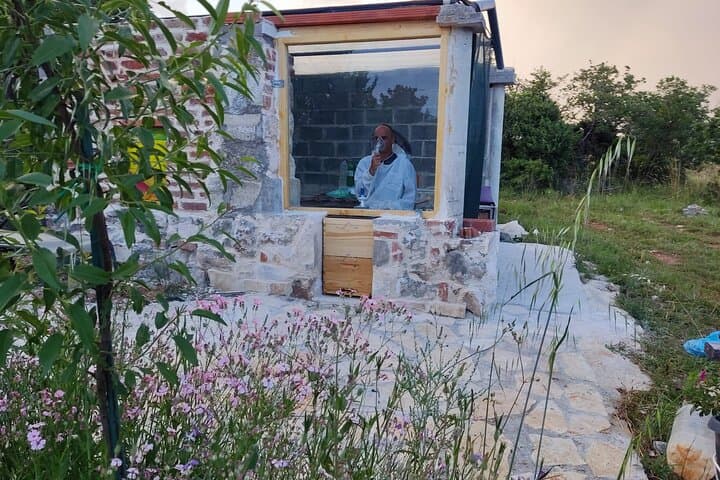
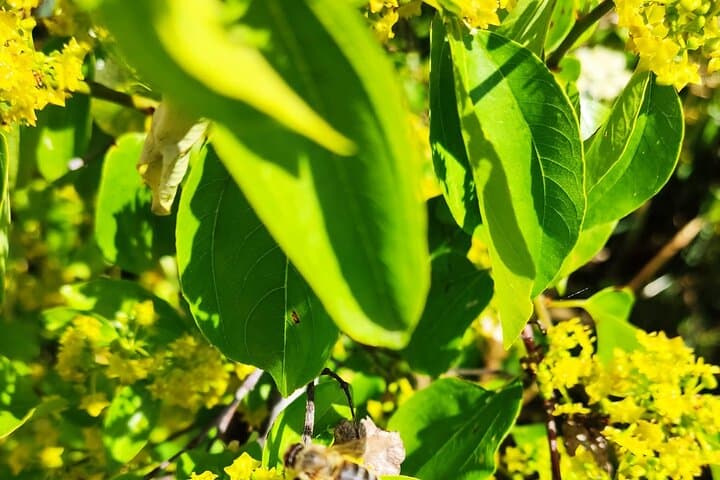
You arrive on a sun-warmed dirt lane, the sea-scented breeze carrying a distant hum. Pine and field meet here in the outskirts of Zadar, and the sound of bees threads through the air—alive, purposeful, constant. The guide leads you past wildflowers and low stone walls to a small stone-and-brick inhalation house where one person inhales warm hive air while another watches bees through a glass panel.
You arrive on a sun-warmed dirt lane, the sea-scented breeze carrying a distant hum. Pine and field meet here in the outskirts of Zadar, and the sound of bees threads through the air—alive, purposeful, constant. The guide leads you past wildflowers and low stone walls to a small stone-and-brick inhalation house where one person inhales warm hive air while another watches bees through a glass panel.
Beekeeping is an old practice across Dalmatia, where honey and bee products have fed families and local economies for generations. Geologically the area is karst—rocky limestone that creates dry, scrubby fields interspersed with pine and oak, a habitat bees favor for foraging. Culturally, visiting a family apiary is a window into rural life: jars of different honeys, propolis, and wax sit on simple shelves while the beekeeper explains seasonal cycles.
Practically, the experience blends a gentle 12 km walk across mixed forest and meadow with a private, guided apitherapy session. Expect easy terrain with short climbs, well-constructed paths, and prolonged periods standing near hives. The inhalation house is ventilated but intimate; participants with severe allergies should consult a physician beforehand.
Bring water, sun protection, and closed-toe shoes. The tour includes private transportation and is wheelchair accessible in key areas, but ask your operator about specific pickup points. For those curious about natural remedies, the session is an informative, sensory immersion into beekeeping and honey tasting rather than a medical treatment. Leave space in your bag for a jar of single-origin honey—you’ll likely want to take some home.