THE ADVENTURE COLLECTIVE® · Independent discovery and booking for outdoor travel

Leave Salzburg for a full-day private drive through the Bavarian Alps to the Kehlsteinhaus (Eagle’s Nest), Berchtesgaden and the crystalline Königssee. This eight-hour tour combines steep mountain roads, WWII history and an optional boat ride or salt-mine visit.
Leave Salzburg for a full-day private drive through the Bavarian Alps to the Kehlsteinhaus (Eagle’s Nest), Berchtesgaden and the crystalline Königssee. This eight-hour tour combines steep mountain roads, WWII history and an optional boat ride or salt-mine visit.
The day starts before the crowds: your guide collects you from a Salzburg hotel and the city’s baroque facades fall away as you drive south toward the German border. The road tightens, forests press close and the Alps begin to loom—rockfaces and firs moving in measured rhythms outside the window. At the Obersalzberg bus terminal you step out into the mountain air, the scale model on the plaza giving a precise, haunting map of the wartime complex you’ve come to see.
Verified experiences and guided adventures in the surrounding area.
Operated by Salzburg Private Tours · Berchtesgaden, Bavaria
The day starts before the crowds: your guide collects you from a Salzburg hotel and the city’s baroque facades fall away as you drive south toward the German border. The road tightens, forests press close and the Alps begin to loom—rockfaces and firs moving in measured rhythms outside the window. At the Obersalzberg bus terminal you step out into the mountain air, the scale model on the plaza giving a precise, haunting map of the wartime complex you’ve come to see.
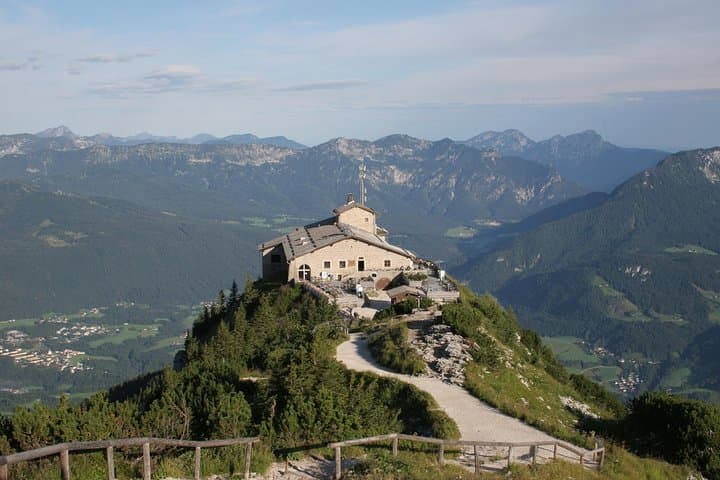
From there the mountain road climbs—four miles of steep hairpins that test the vehicle and thrill the passengers. A tunnel and a brass elevator pierce the Kehlstein rock, depositing you at the Eagle’s Nest (Kehlsteinhaus) around 1,834 meters above sea level. The terrace opens on a broad, cinematic sweep: spires of limestone, the green bowl of Berchtesgaden below and, in the right light, the jewel-blue shimmer of Königssee daring you to cross it.
History arrives in measured facts. The Kehlsteinhaus was a 1930s mountain retreat with a loaded biography—symbol and stage of Nazi power—and the Obersalzberg area still carries those echoes in foundations, bunkers and the subdued documentation center nearby. A contrasting thread is older: salt shaped this landscape for centuries. ‘Salt kings’ in medieval Salzburg built wealth and routes that later became the arteries of alpine culture and towns such as Berchtesgaden.
Geology here is equally direct: steep limestone carved by glaciation, cliffs boxed by cirques and a deep valley—Königssee—that behaves like a tarn from an ice age. Cultural notes are practical: Berchtesgaden is Bavarian in food and pace, where roast pork and bread dumplings anchor a mountain lunch.
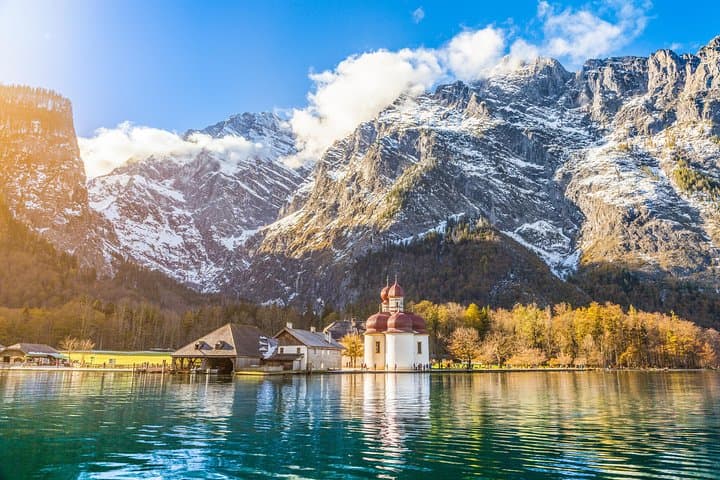
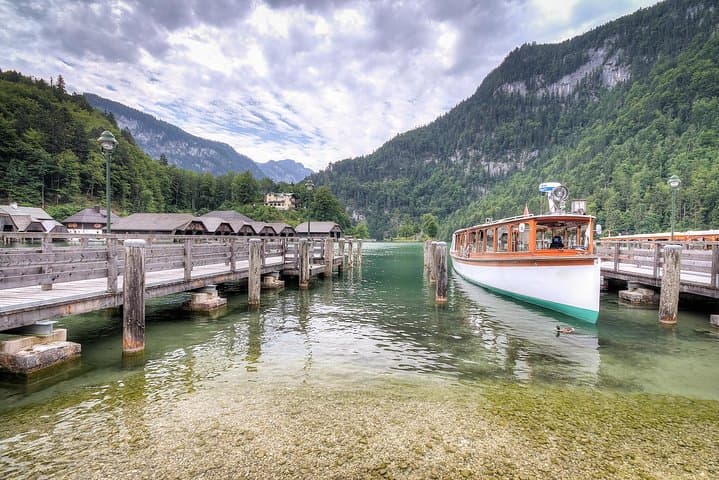
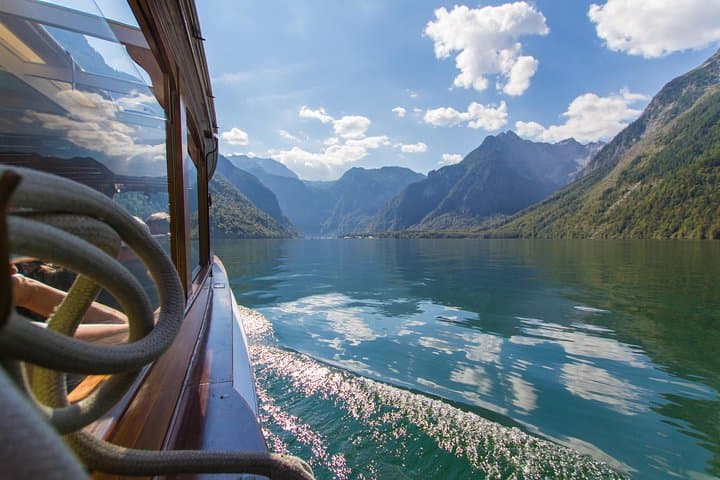
Practical guidance matters on a day like this. The tour runs about eight hours; wear comfortable walking shoes for uneven terraces and the short tunnel approaches. Bring layers—summit breezes can drop temperature quickly—and carry a valid passport for border crossings. If you plan the optional afternoon, reserve time and cash for the salt mine or the Königsee boat ride to St. Bartholomew’s: both require separate tickets and have fixed departure times.
Expect moderate walking and several stair sections at viewpoints; the private format keeps moving efficiently, but weather can close access in winter. Aim for a shoulder-season weekday to avoid peak crowds, and leave room in your itinerary for a leisurely walk through Berchtesgaden’s old town after the mountain visit.
moderate.
8 hours.
Good for travelers who can manage walking on stairs and short uneven paths; moderate stamina required for an 8-hour day.
Yes—entry to the Kehlsteinhaus is included as part of the tour and handled by your guide.
Yes—a current valid passport is required because the tour crosses the Austria–Germany border.
No—both are optional afternoon activities that require separate tickets and often have specific departure schedules.
Expect short walks, stairs and a tunnel to reach the elevator and viewpoints; overall the day is moderately active but not a full hike.
Parts of the route (vehicle transfer and some viewpoints) are accessible, but the Eagle’s Nest requires stair and tunnel access that may limit mobility; check with the operator for current accessibility details.
Guides generally speak English and German; confirm language needs when booking to ensure a suitable guide.
Obersalzberg and the Kehlsteinhaus were developed in the 1930s as a mountain complex with strong ties to Nazi leadership; the area’s earlier wealth came from salt mining that shaped Salzburg’s economy.
Much of the region sits within Berchtesgaden National Park—stay on marked paths, pack out waste and respect wildlife to minimize impact.
Salzburg Private Tours operates guided outdoor trips and adventures with an emphasis on safety, stewardship, and memorable experiences.
The day starts before the crowds: your guide collects you from a Salzburg hotel and the city’s baroque facades fall away as you drive south toward the German border. The road tightens, forests press close and the Alps begin to loom—rockfaces and firs moving in measured rhythms outside the window. At the Obersalzberg bus terminal you step out into the mountain air, the scale model on the plaza giving a precise, haunting map of the wartime complex you’ve come to see.
The day starts before the crowds: your guide collects you from a Salzburg hotel and the city’s baroque facades fall away as you drive south toward the German border. The road tightens, forests press close and the Alps begin to loom—rockfaces and firs moving in measured rhythms outside the window. At the Obersalzberg bus terminal you step out into the mountain air, the scale model on the plaza giving a precise, haunting map of the wartime complex you’ve come to see.
From there the mountain road climbs—four miles of steep hairpins that test the vehicle and thrill the passengers. A tunnel and a brass elevator pierce the Kehlstein rock, depositing you at the Eagle’s Nest (Kehlsteinhaus) around 1,834 meters above sea level. The terrace opens on a broad, cinematic sweep: spires of limestone, the green bowl of Berchtesgaden below and, in the right light, the jewel-blue shimmer of Königssee daring you to cross it.
History arrives in measured facts. The Kehlsteinhaus was a 1930s mountain retreat with a loaded biography—symbol and stage of Nazi power—and the Obersalzberg area still carries those echoes in foundations, bunkers and the subdued documentation center nearby. A contrasting thread is older: salt shaped this landscape for centuries. ‘Salt kings’ in medieval Salzburg built wealth and routes that later became the arteries of alpine culture and towns such as Berchtesgaden.
Geology here is equally direct: steep limestone carved by glaciation, cliffs boxed by cirques and a deep valley—Königssee—that behaves like a tarn from an ice age. Cultural notes are practical: Berchtesgaden is Bavarian in food and pace, where roast pork and bread dumplings anchor a mountain lunch.
Practical guidance matters on a day like this. The tour runs about eight hours; wear comfortable walking shoes for uneven terraces and the short tunnel approaches. Bring layers—summit breezes can drop temperature quickly—and carry a valid passport for border crossings. If you plan the optional afternoon, reserve time and cash for the salt mine or the Königsee boat ride to St. Bartholomew’s: both require separate tickets and have fixed departure times.
Expect moderate walking and several stair sections at viewpoints; the private format keeps moving efficiently, but weather can close access in winter. Aim for a shoulder-season weekday to avoid peak crowds, and leave room in your itinerary for a leisurely walk through Berchtesgaden’s old town after the mountain visit.