THE ADVENTURE COLLECTIVE® · Independent discovery and booking for outdoor travel

Skip the tour buses and see Batu Caves with a local guide who explains the temple history, karst geology and conservation efforts. This private half‑day tour includes pickup from Kuala Lumpur and gives you time to climb the steps, explore Dark Cave highlights and visit nearby waterfalls.
Skip the tour buses and see Batu Caves with a local guide who explains the temple history, karst geology and conservation efforts. This private half‑day tour includes pickup from Kuala Lumpur and gives you time to climb the steps, explore Dark Cave highlights and visit nearby waterfalls.
A humid morning air presses against the city as your driver slips out of Kuala Lumpur and toward a jagged limestone ridge that rises like a weathered spine above the suburbs. At Batu Caves the approach is theatrical: a 42.7‑metre gilded Lord Murugan statue keeps watch over the base and a riot of long‑tailed macaques patrols the stairway that climbs into the cave mouth.
Verified experiences and guided adventures in the surrounding area.
Operated by Withlocals · Batu Caves, Selangor
A humid morning air presses against the city as your driver slips out of Kuala Lumpur and toward a jagged limestone ridge that rises like a weathered spine above the suburbs. At Batu Caves the approach is theatrical: a 42.7‑metre gilded Lord Murugan statue keeps watch over the base and a riot of long‑tailed macaques patrols the stairway that climbs into the cave mouth.
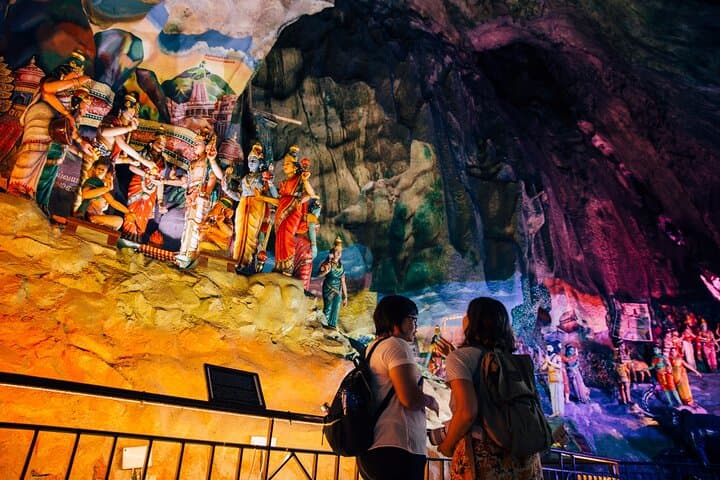
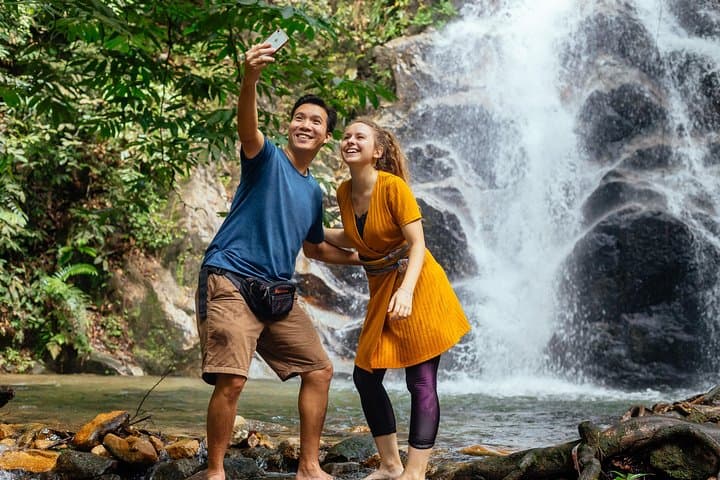
The main Temple Cave occupies a limestone formation formed hundreds of millions of years ago; its vaulted chambers became a focus for the Tamil community in the late 19th century and now host the annual Thaipusam pilgrimage. Beyond the dramatic steps lies a layered site — Hindu shrines, the conservation‑led Dark Cave with fragile cave biology, and nearby freshwater runs that feed Kanching Waterfalls in the Ampang hills.
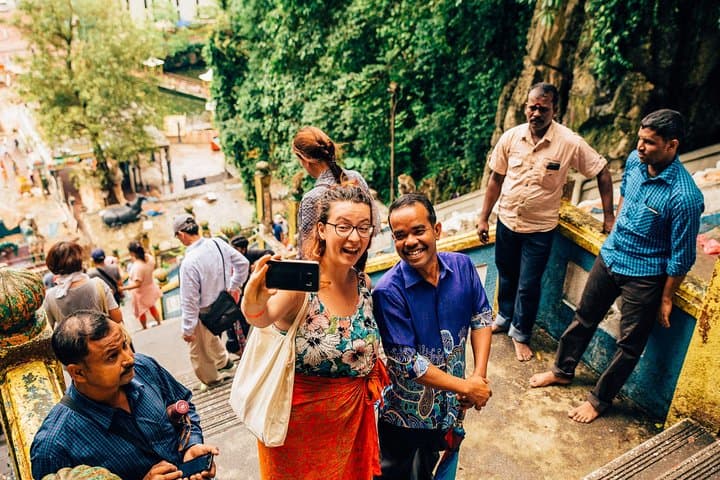
A private guide reframes what is usually crowded into a paced, contextual visit: history of the temples, geology of the karst, local rituals and the ecology of the bat‑and‑invertebrate communities. Practicalities matter here — modest dress is required in temple areas, the 272 steps are steep and often slippery after rain, and macaques can be bold around food or loose bags.
Expect a half‑day of walking, stair‑climbing and short drives; your pickup and drop‑off are included. Bring sun protection, a refillable water bottle, and footwear with grip. If you want a quieter experience, schedule your visit early before mid‑day tours arrive. The private format makes space for questions, photo stops and a calm exit back to the city.
moderate.
3–4 hours.
Moderate fitness; able to climb ~272 steps and walk on uneven, sometimes wet surfaces
There are 272 steps to the Temple Cave entrance; they are steep and can be slippery after rain.
Yes—families are welcome, but consider younger children’s ability to climb stairs and keep distance from macaques.
This private tour includes Batu Caves admission and pickup/drop‑off from central Kuala Lumpur, as specified in the listing.
Many private guides offer a Dark Cave conservation walk as an optional stop; access is regulated and may require a separate fee and guide.
Batu Caves became a focal point for Kuala Lumpur’s Tamil community in the late 19th century and hosts the annual Thaipusam festival drawing thousands.
The Dark Cave is managed for conservation and research — follow guides’ rules, avoid littering and do not feed wildlife to reduce human impact.
Withlocals operates guided outdoor trips and adventures with an emphasis on safety, stewardship, and memorable experiences.
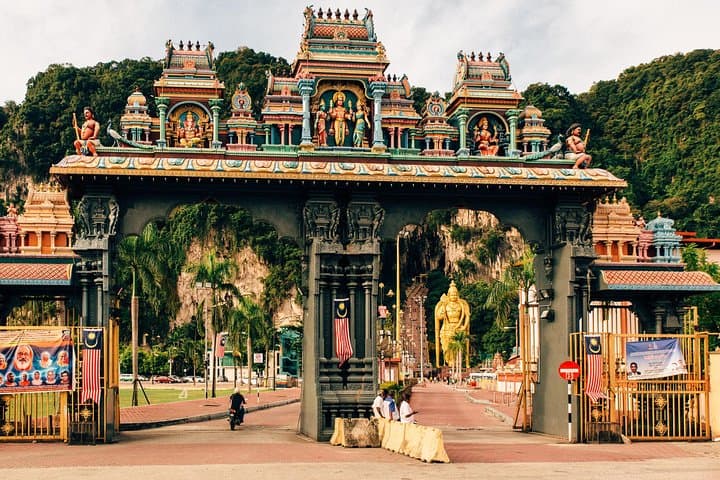
A humid morning air presses against the city as your driver slips out of Kuala Lumpur and toward a jagged limestone ridge that rises like a weathered spine above the suburbs. At Batu Caves the approach is theatrical: a 42.7‑metre gilded Lord Murugan statue keeps watch over the base and a riot of long‑tailed macaques patrols the stairway that climbs into the cave mouth.
A humid morning air presses against the city as your driver slips out of Kuala Lumpur and toward a jagged limestone ridge that rises like a weathered spine above the suburbs. At Batu Caves the approach is theatrical: a 42.7‑metre gilded Lord Murugan statue keeps watch over the base and a riot of long‑tailed macaques patrols the stairway that climbs into the cave mouth.
The main Temple Cave occupies a limestone formation formed hundreds of millions of years ago; its vaulted chambers became a focus for the Tamil community in the late 19th century and now host the annual Thaipusam pilgrimage. Beyond the dramatic steps lies a layered site — Hindu shrines, the conservation‑led Dark Cave with fragile cave biology, and nearby freshwater runs that feed Kanching Waterfalls in the Ampang hills.
A private guide reframes what is usually crowded into a paced, contextual visit: history of the temples, geology of the karst, local rituals and the ecology of the bat‑and‑invertebrate communities. Practicalities matter here — modest dress is required in temple areas, the 272 steps are steep and often slippery after rain, and macaques can be bold around food or loose bags.
Expect a half‑day of walking, stair‑climbing and short drives; your pickup and drop‑off are included. Bring sun protection, a refillable water bottle, and footwear with grip. If you want a quieter experience, schedule your visit early before mid‑day tours arrive. The private format makes space for questions, photo stops and a calm exit back to the city.